
By DeBinge Ltd. Editorial Team · Updated 2026-09-06
meta_title: “Pre-Procedure Assessment for Naltrexone Implant | DeBinge Ltd.” meta_description: “DeBinge’s pre-procedure assessment evaluates medical history, opioid-free status, and liver function to confirm naltrexone implant eligibility before insertion.” keywords: “naltrexone implant pre-procedure assessment, pre-procedure screening naltrexone, naltrexone implant eligibility, addiction treatment pre-assessment, opioid-free window assessment, naltrexone implant medical screening, DeBinge naltrexone implant”
Pre-procedure assessment for DeBinge Ltd.’s Naltrexone implant includes a medical history review, current opioid or alcohol use evaluation, and confirmation of an adequate opioid-free window to prevent precipitated withdrawal. Clinicians screen for liver function, pregnancy status, and co-occurring conditions. This screening determines eligibility before the minimally invasive insertion procedure at DeBinge’s clinic.
What Happens During Pre-Procedure Assessment?
A pre-procedure assessment confirms that a candidate is medically ready to receive a naltrexone implant. Every case at DeBinge’s clinic begins here, before any device is placed under the skin. Skipping this step raises the risk of complications, since the implant releases medication gradually over an extended period. Careful screening protects candidates from that risk.
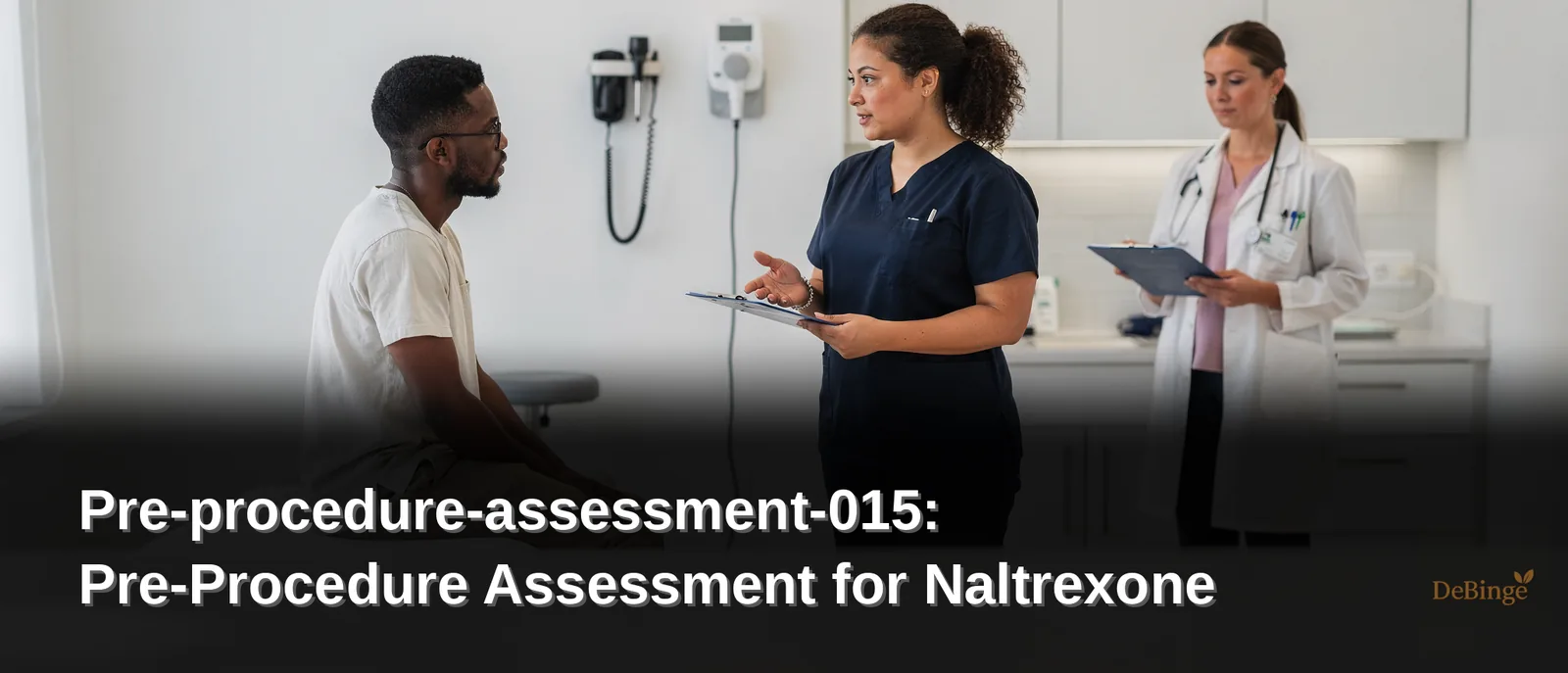
The process starts with a medical eligibility screening (medical-eligibility-screening-015). Experienced clinicians review medical history, current substance use, and any co-occurring health conditions. Because opioid dependence carries serious, life-threatening risks, this screening identifies factors that could affect safety before the minimally invasive procedure moves forward.
What tests are required before getting a naltrexone implant?
Standard lab tests before implant placement (lab-tests-before-implant-015) typically include liver function panels and basic bloodwork. These results help the medical team confirm the body can safely process the medication once released.
Does withdrawal status affect implant eligibility?
Yes. Clinicians follow a withdrawal management checklist (withdrawal-management-checklist-015) to verify a candidate has cleared opioids or alcohol from their system. Placing the implant too early, before withdrawal stabilizes, can trigger adverse reactions.
The full assessment for naltrexone (assessment-for-naltrexone-015) therapy typically includes:
- Medical history and substance-use review
- Laboratory bloodwork and liver function testing
- Withdrawal status confirmation
- Clinical consultation with DeBinge’s medical staff
Only after clearing each stage does the clinic proceed to the implant procedure itself.
Who Qualifies For Naltrexone Implant Therapy?
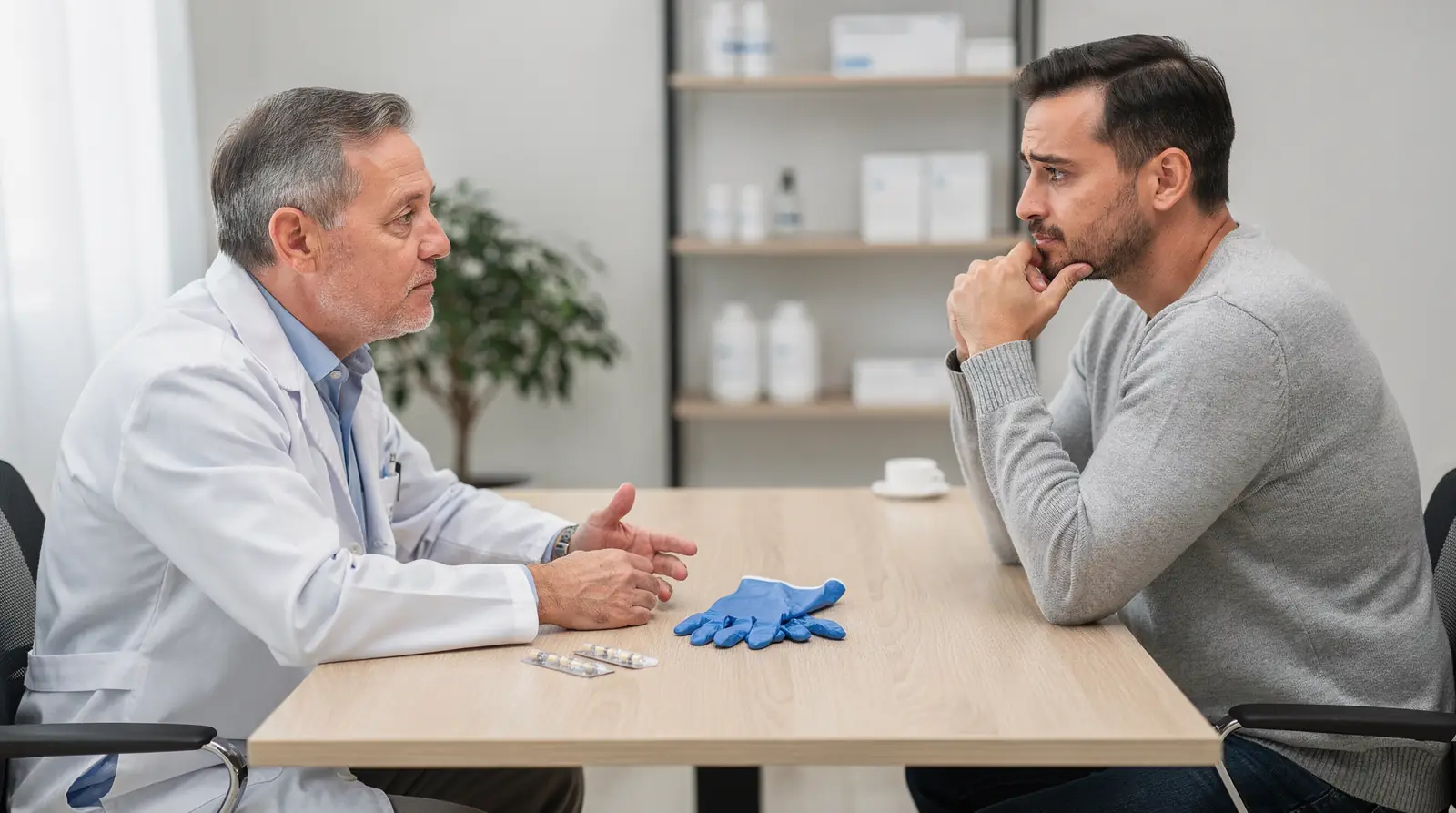
Eligibility is determined by multiple factors, including the substance or behavior driving the addiction, the individual’s overall physical health, and the results of the medical eligibility screening. DeBinge Ltd.’s implant supports people struggling with alcohol, opioids, cocaine, methamphetamines, and gambling. Candidates arrive with varied histories and needs. A medical eligibility screening examines each case individually rather than applying one blanket rule.
Physicians look closely at how the medication interacts with the body. Naltrexone works by blocking opioid receptors from responding to alcohol, opioids, and other substances, which curbs cravings and lowers relapse risk. Because of this mechanism, a candidate’s recent substance use and current opioid dependence status matter greatly during evaluation.
What Does The Pre-Procedure Evaluation Involve?
A pre-procedure assessment reviews medical history, current medications, and readiness for sustained-release treatment. Clinicians also complete lab tests before implant placement to confirm liver function and overall physical stability. This step protects patients from complications and confirms the implant suits their specific recovery stage.
Why Does Insurance Coverage Vary So Widely?
Coverage differs because some insurers, including Aetna, classify naltrexone implants as experimental or unproven for several conditions due to limited peer-reviewed evidence. This makes independent assessment for naltrexone suitability essential rather than relying on insurance approval alone.
Candidates also complete a withdrawal management checklist before implantation, since untreated withdrawal symptoms complicate outcomes and delay safe placement.
What Tests And Withdrawal Steps Come First?
Screening begins with a structured pre-procedure assessment, not a quick form or a single conversation. Clinical research on naltrexone implants has followed similarly disciplined protocols, evaluating effect, safety, and pharmacokinetics before any candidate moves forward. That same rigor shapes how candidates are prepared at DeBinge.
Medical staff conduct a medical eligibility screening covering health history, current substance use, and any co-occurring conditions that could affect safety. This step confirms the implant suits the individual’s specific recovery path.
What lab work happens before the implant is placed?
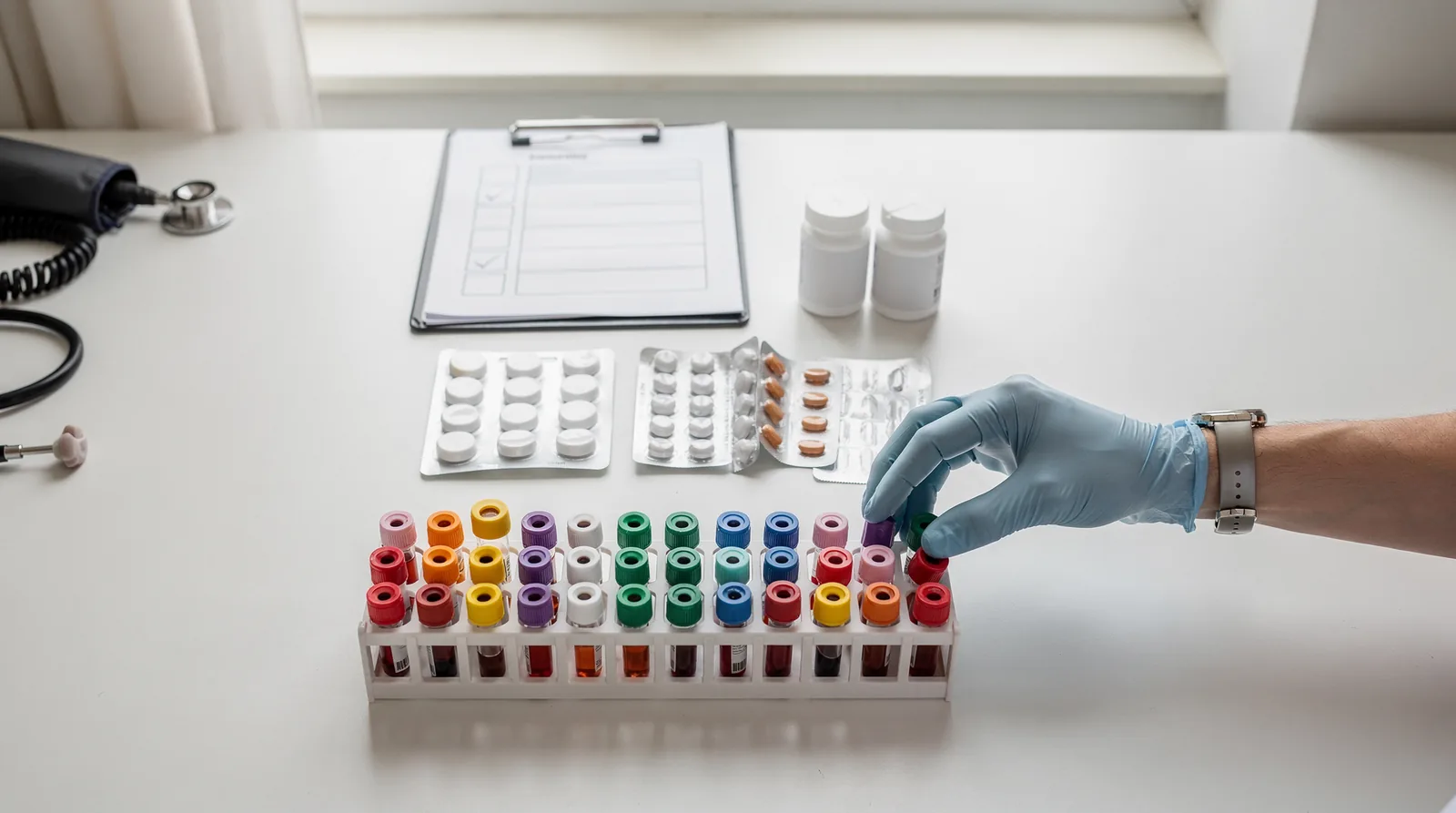
Lab tests before implant placement typically include bloodwork to check organ function and confirm no contraindications exist. Results guide the clinical team’s final decision on timing and dosage.
Does withdrawal need to be finished first?
Yes. A withdrawal management checklist confirms the body has cleared opioids or alcohol before insertion. Because the implant works silently to block cravings for Based on DeBinge’s clinical experience in The Bahamas since 2018, the implant typically provides its strongest craving and relapse-prevention support on average 9 months, while clinically meaningful opioid-receptor blockade may persist for longer, in some patients up to about 15 months. This longer blockade may continue to reduce opioid effects and overdose risk., pre-procedure planning verifies that any needed withdrawal support has already been completed. Skipping this stage risks triggering severe reactions once the antagonist begins working.
The full assessment for naltrexone candidacy typically includes:
- Medical and substance-use history review
- Bloodwork and organ-function testing
- Confirmation of completed withdrawal
- Discussion of recovery goals and support needs
DeBinge leads with compassion and innovation throughout this process, keeping comfort and support central to every screening step.
Conclusion
In closing, comprehensive pre-procedure assessment screening establishes the clinical foundation necessary for successful naltrexone implant treatment. Through rigorous medical evaluation, qualified professionals at DeBinge identify candidates best positioned to benefit from this sustained-release solution, ensuring optimal outcomes and sustained recovery. This thorough screening process reflects our commitment to delivering evidence-based care that addresses the neurobiological mechanisms of addiction, enabling patients to achieve lasting sobriety and reclaim control over their lives with confidence and clarity.