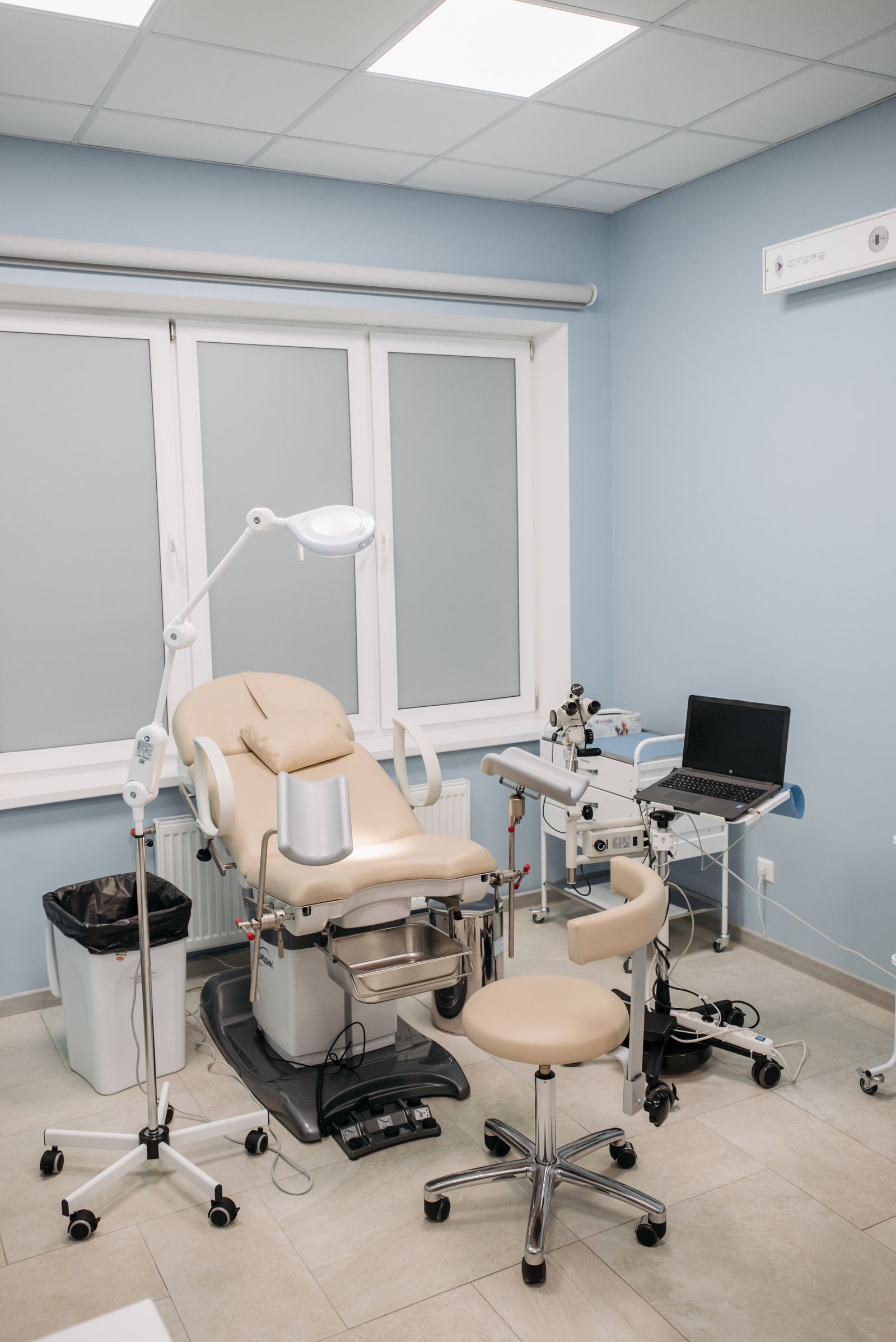
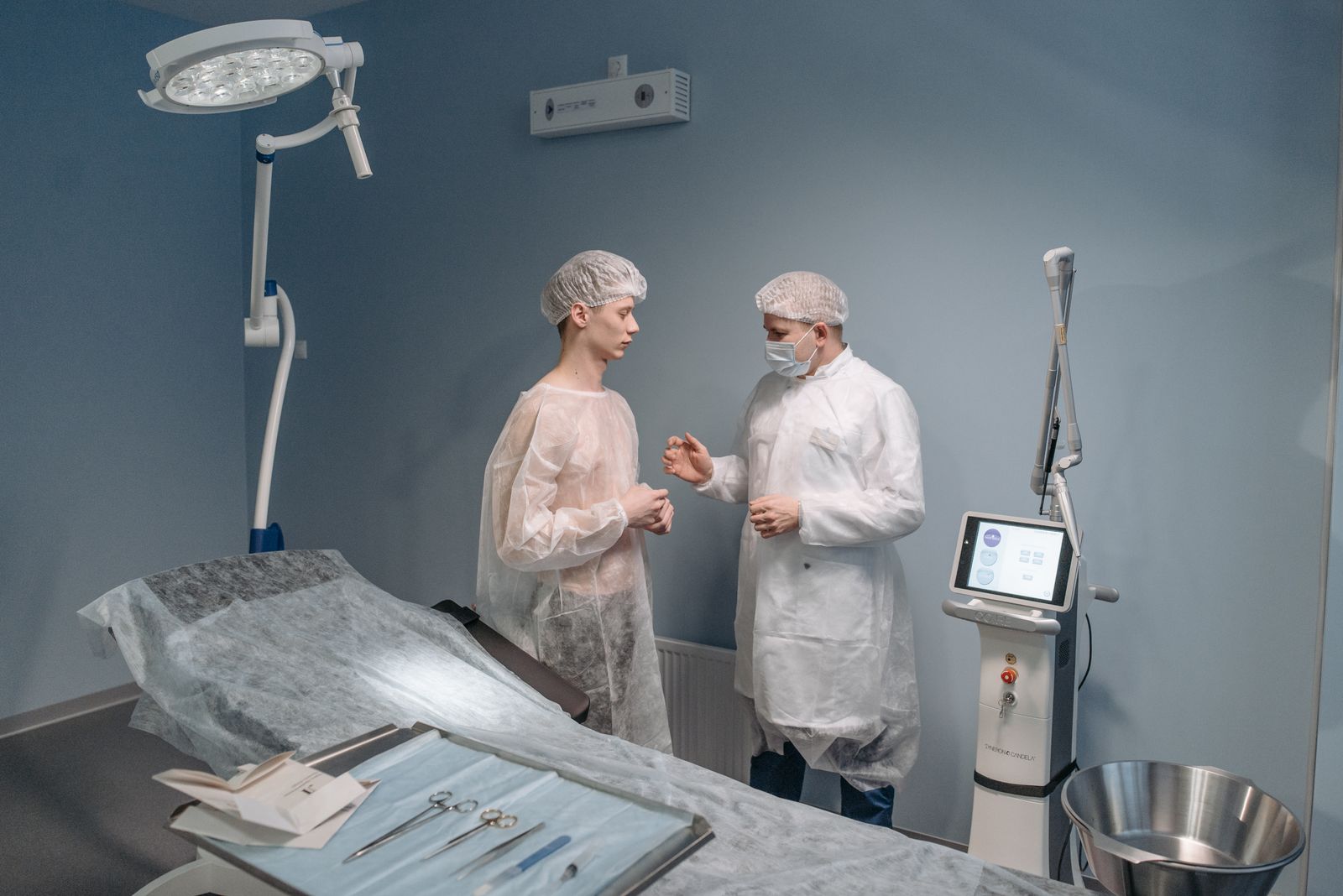
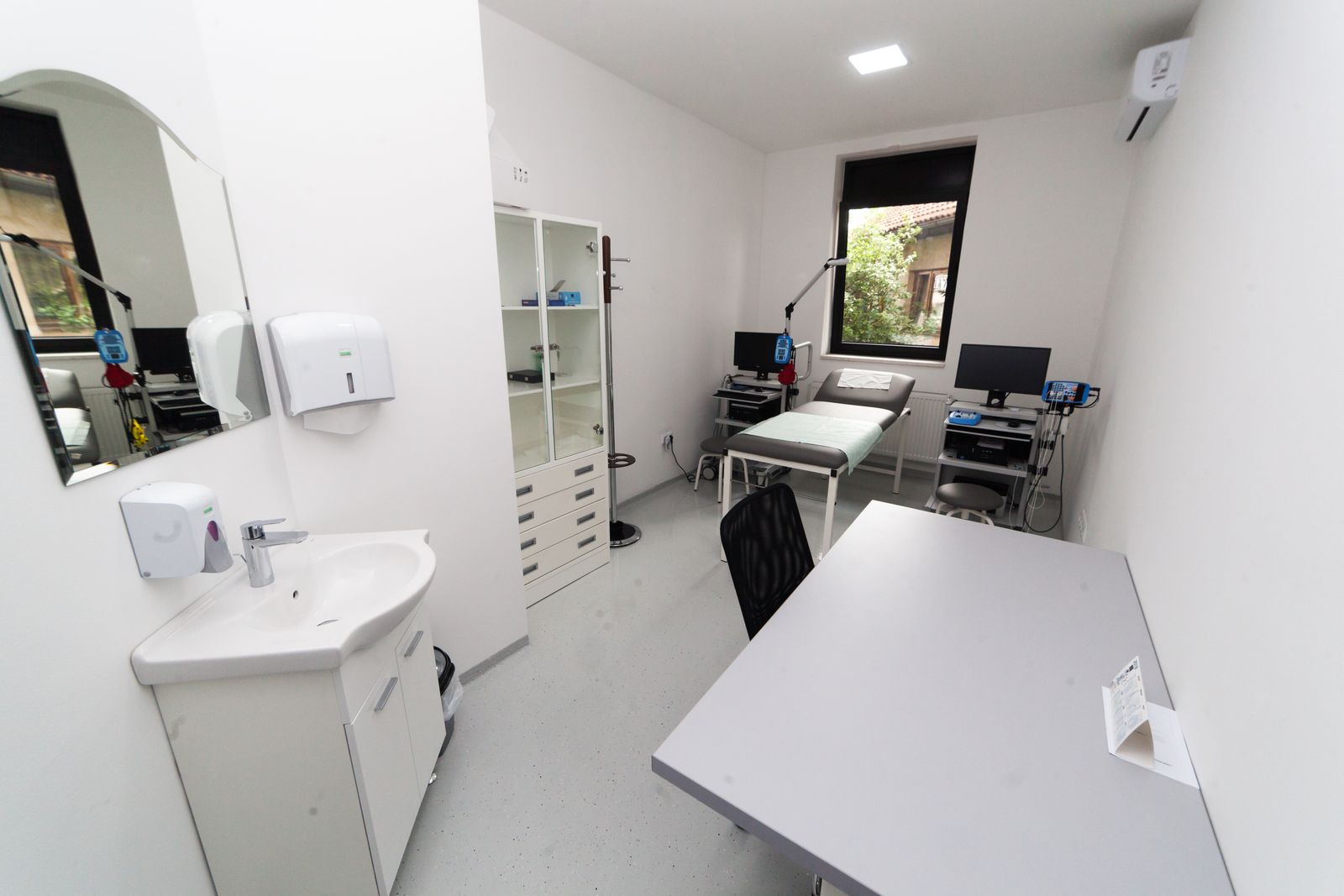
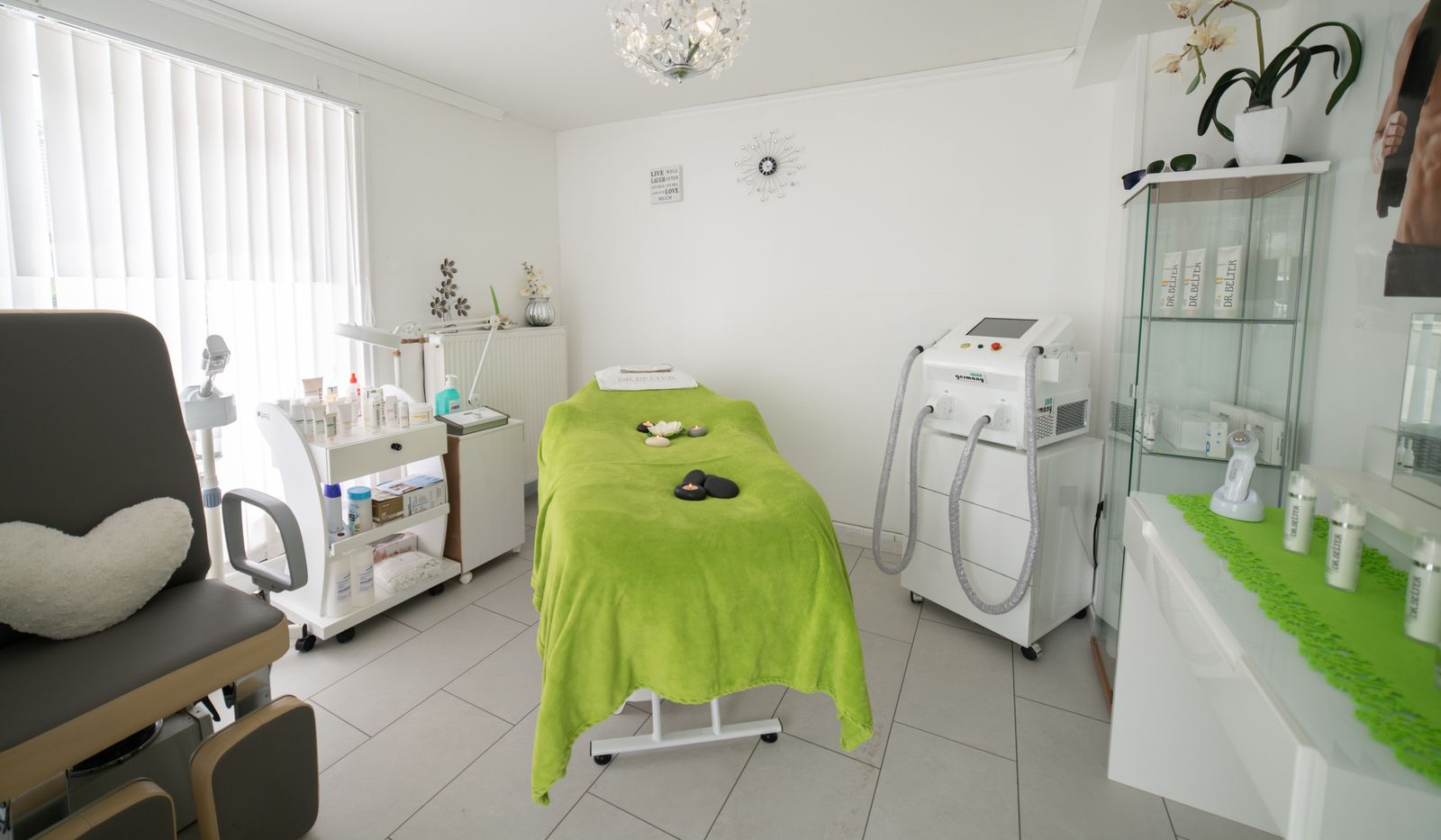
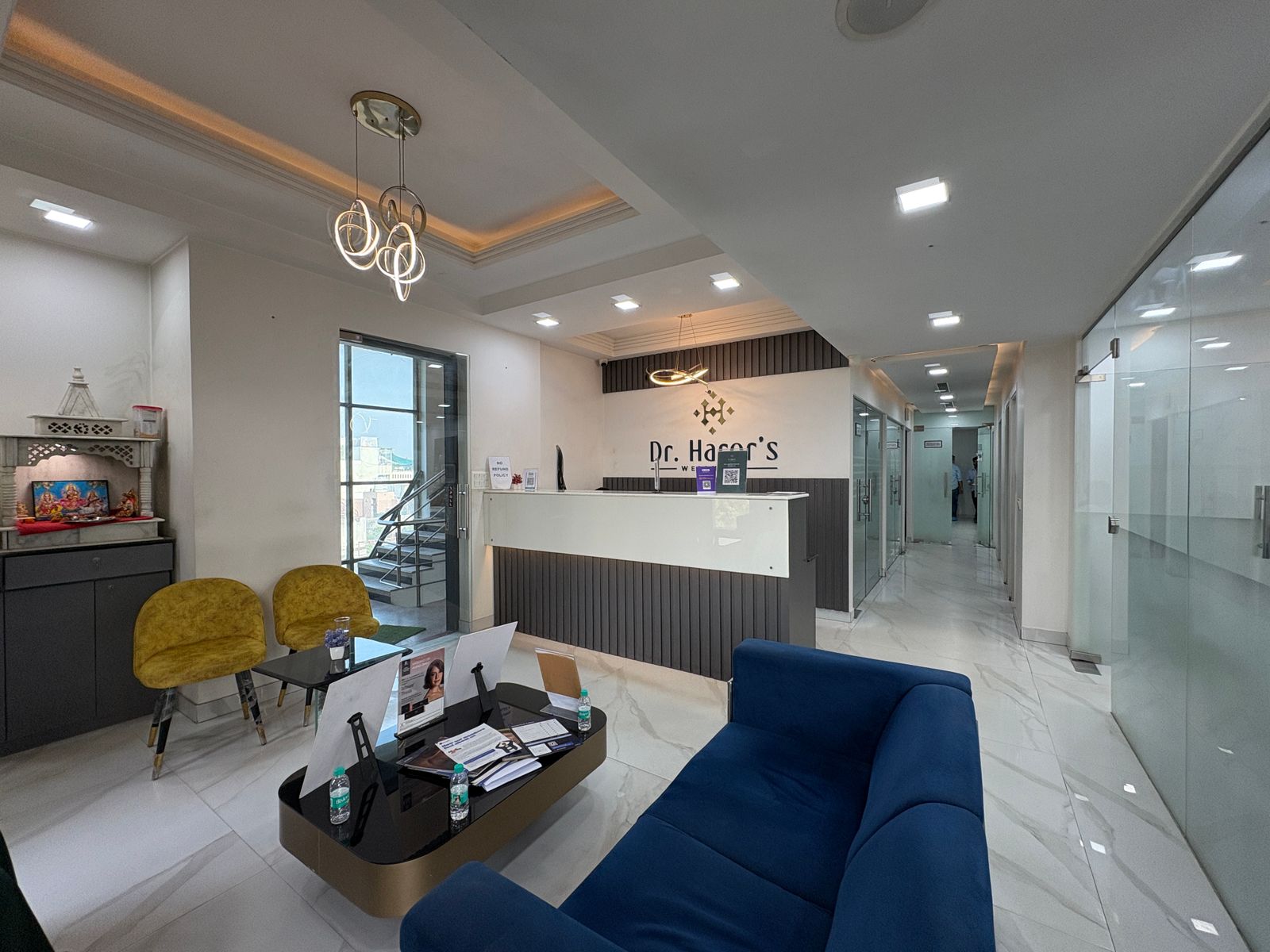
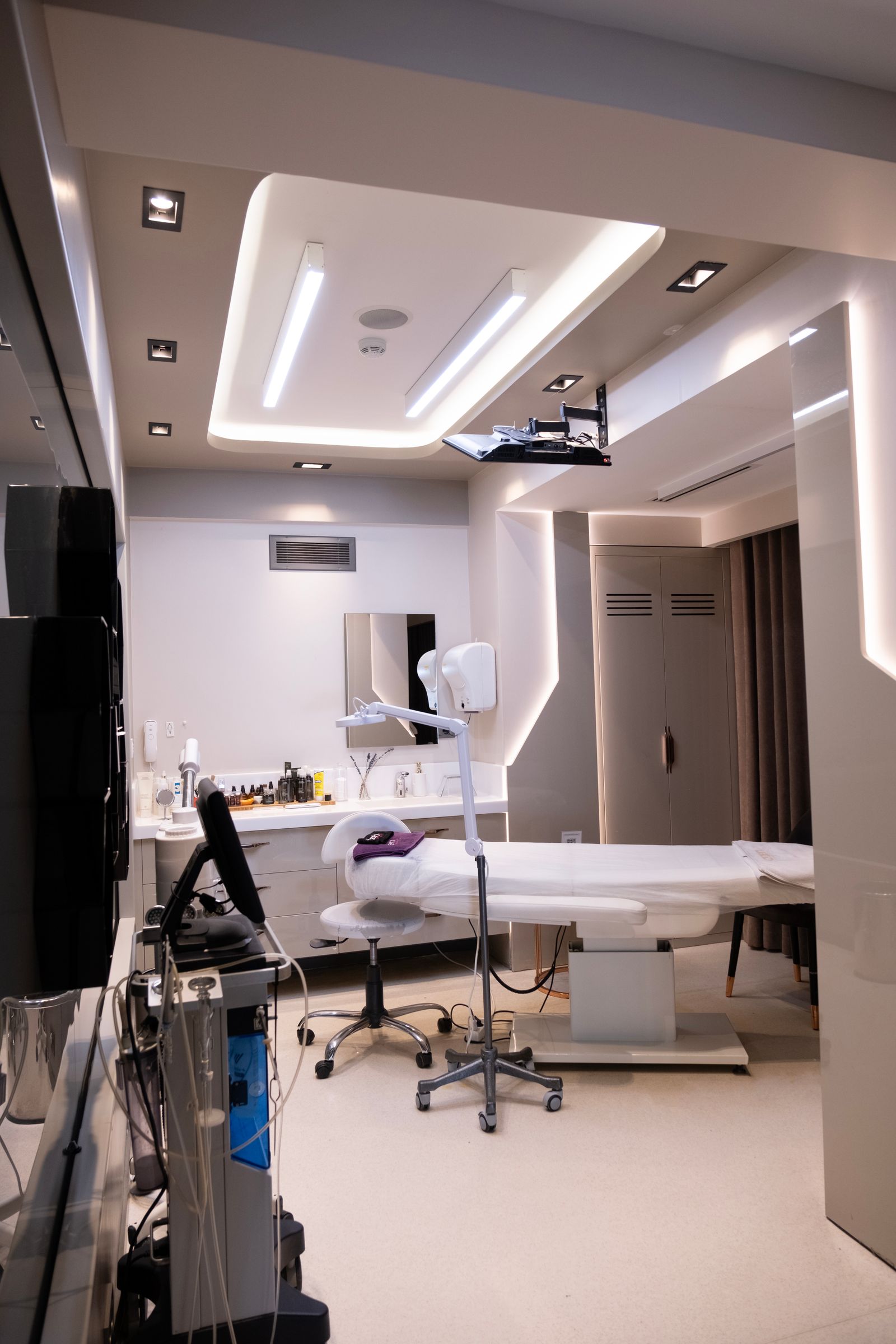
The Clinic · Sandyport, Nassau

A Private Place to Begin Again.

DeBinge is an addiction recovery clinic in Sandyport, Nassau, The Bahamas, built around a different approach to recovery: medical care, long-acting naltrexone, individual support, professional counselling and a change of environment working together. The goal is not simply to complete a procedure. It is to create enough stability, distance and support for a person to begin rebuilding life.

01

Your Private Doctor

Your doctor reviews your medical and substance-use history, assesses your suitability for treatment and oversees the medical part of your individual recovery programme.

02

Dedicated Nursing Support

Individual nursing support provides monitoring, personal attention and practical assistance throughout the clinical stage of treatment and preparation.

03

One Year of Professional Counselling

Recovery continues long after the implant procedure. One year of professional counselling is included to help patients work on triggers, behaviour, relationships, routines and the life they want to build next.

A Different Environment

Why Begin Recovery in The Bahamas?

Addiction often becomes connected with familiar places, routines, relationships and everyday pressures. Travelling to Nassau can create temporary physical distance from many of those cues while treatment becomes the priority.

Sandyport offers warm weather, quiet surroundings and immediate access to the natural environment. The intention is to create a calmer setting where the patient can concentrate on medical preparation, counselling, rest and the decisions that come with recovery.

This is not about escaping life. It is about creating a different environment in which to start building a different life.

“More than an implant. A structured transition from addiction toward recovery.”
More Than a Procedure

A Transformational Recovery Protocol

Long-acting medication can provide valuable support, but recovery also requires changes in behaviour, thinking, relationships, routines and purpose. DeBinge combines medical treatment with individual care and ongoing counselling so patients can use this period of greater stability to work on those changes.

The Treatment Journey

Preparation. Procedure. Recovery.

Every patient is different. Treatment begins with medical assessment and, where necessary, medically supervised withdrawal management. The implant is considered only when the medical team determines that the patient is appropriately prepared for naltrexone.

01

Consultation & Assessment

We begin by understanding your substance-use history, current medication, medical history, previous treatment and recovery goals. Appropriate clinical assessment and laboratory testing may be required before treatment proceeds.
02

Stabilisation & Detox Preparation

If detoxification is required, the medical team creates an individual plan designed to manage the transition as safely and comfortably as possible. Withdrawal management is medically supervised and adjusted according to the patient's clinical needs.

03

Naltrexone Implant Procedure

Once medically cleared, the long-acting naltrexone implant is placed beneath the skin, commonly in the lower abdominal area. The procedure is minimally invasive and is generally performed using local anaesthesia in an outpatient clinical setting.

04

Observation & Recovery Planning

Following the procedure, your clinical team provides wound-care guidance, monitors your immediate recovery and discusses the next stage of your programme. Recovery then continues through counselling, healthier routines and ongoing professional support.

An Important Safety Requirement

Patients do not need to arrive opioid-free before beginning treatment at DeBinge. The medical team manages the transition; naltrexone is introduced only when clinically appropriate. Giving naltrexone too early can precipitate severe withdrawal. The required preparation period varies by substance, medication and individual circumstances, so timing must always be determined by the treating clinician.

Long-Acting Medical Support

What Role Does Naltrexone Play?

Naltrexone is an opioid-receptor antagonist. For suitable patients it can provide sustained medication support while the patient works on the psychological, behavioural and practical parts of recovery.

Reduce Cravings

Naltrexone can help reduce cravings associated with opioid and alcohol use disorders, creating more mental space to engage with recovery.

Support Relapse Prevention

By occupying opioid receptors and blocking opioid effects while active, naltrexone can provide an additional layer of support within a wider relapse-prevention programme.

Support Counselling

Medication does not replace counselling. Greater stability can give patients an opportunity to concentrate on triggers, relationships, routines, confidence and rebuilding everyday life.

The Implant Is the Beginning — Not the End.

Every DeBinge programme includes one year of professional counselling. The aim is to use the period of medication support to build healthier behaviours, understand the patterns connected with addiction and create a practical plan for life after treatment.

Discuss Your Treatment With Us

Treatment suitability, detoxification requirements, medication choices, procedure timing and post-procedure activity are determined individually by the treating healthcare professionals. Naltrexone does not make opioid use or overdose impossible, and attempting to overcome opioid blockade can be dangerous.

Life Beyond the Treatment Room

Recovery Has Space to Breathe Here.

Nassau gives patients something difficult to reproduce in everyday life: a temporary change of pace and surroundings. Outside scheduled medical care and counselling, time can be used for rest, gentle movement, nature, reflection and — when clinically appropriate — discovering the islands.

Medical Clearance Comes First. Activities are optional and are not a substitute for medical treatment, detoxification or counselling. During withdrawal, the patient's condition and the medical team's instructions always determine what is appropriate. Swimming, snorkeling, strenuous exercise and boat excursions should wait until the treating clinician confirms they are safe.
During Preparation

Gentle Experiences During a Stable Detox Period

When the medical team considers a patient stable enough for gentle activities outside the clinical setting, quiet and low-intensity experiences can provide structure, natural light, movement and a welcome change of focus without turning recovery into a demanding holiday schedule.

Rest & Nature

Sandyport Beach & Canal Walks

Quiet shoreline time or a short walk around Sandyport can provide a simple change of scenery. Patients can sit outside, read, reflect, talk with family or simply spend time away from familiar routines and everyday pressures.

Nature

Ardastra Gardens

This tropical garden and wildlife conservation centre in Nassau offers landscaped surroundings and an easy-paced outdoor experience. It may be suitable for patients who have been medically cleared for gentle walking.

Culture

National Art Gallery

The National Art Gallery of The Bahamas offers a calm indoor alternative where patients can explore Bahamian history, identity and contemporary art without the physical demands of a larger excursion.

History

Queen's Staircase

One of Nassau's best-known historic landmarks, surrounded by limestone and tropical vegetation. It can provide a short cultural outing when the patient is comfortable with walking and stairs.

Mind & Body

Gentle Movement & Reflection

When medically appropriate, light stretching, breathing exercises, meditation or quiet movement can help create a calmer daily routine and provide dedicated time for reflection.

Nature

New Providence Nature Experiences

New Providence offers tropical gardens, coastal landscapes, birdlife and protected natural environments. Gentle outdoor experiences can be selected according to the patient's condition and medical guidance.

After the Implant

Rediscover Enjoyment Without Returning to Old Patterns

Once the procedure is complete, the implant site is recovering and the clinical team has cleared the patient for greater activity, Nassau offers opportunities to reconnect with enjoyment, nature and new experiences in ways that do not need to revolve around alcohol, nightlife or previous routines.

Nature & History

Clifton Heritage National Park

Discover coastal landscapes, cultural history, native vegetation and walking trails. The park also offers beaches, birdwatching and snorkeling for visitors who have been medically cleared for water activities.

Island Experience

Blue Lagoon Island

Located only a short boat journey from Nassau, Blue Lagoon offers white-sand beaches and island scenery. When medically appropriate, visitors can also choose activities such as snorkeling, kayaking or paddleboarding.

Island Experience

Pearl Island

Pearl Island provides another opportunity to enjoy the natural beauty surrounding Nassau. Guests who have recovered sufficiently may choose beach time, walking, snorkeling, kayaking or other appropriate activities.

Adventure

Swimming Pigs Excursion

Full-day excursions can take visitors from Nassau toward islands where the famous swimming pigs can be experienced. This is more suitable for an additional stay after treatment than for the early detoxification period.

Beach

Cable Beach

One of Nassau's best-known stretches of coastline offers turquoise water and a long sandy beach. An experience can be as simple as an early-morning walk or a quiet afternoon beside the sea.

Culture

Explore Historic Nassau

Downtown Nassau combines Bahamian architecture, history, museums, galleries, Parliament Square and local markets, providing an opportunity to reconnect with curiosity and everyday life outside the treatment setting.

Stay a Little Longer

Your Additional Stay Can Become Part of the Transition Home.

Some patients may choose to remain in The Bahamas for additional personal time after their medical treatment is complete. Instead of immediately returning to an environment associated with previous habits, this period can provide time to practise healthier routines and experience everyday enjoyment from a different perspective.

Build a Morning Routine Breakfast, walking, journaling, counselling exercises and planning the day without routines previously connected with substance use.
Movement & Nature Beach walks, parks, swimming and appropriate water activities once medically cleared.
Culture & Curiosity Galleries, historic Nassau, local crafts, nature experiences and alcohol-free sightseeing can help fill time with different forms of enjoyment.
Prepare for Life at Home Use counselling and quiet time to consider relationships, work, routines, triggers, support systems and the environment you will return to.
A Different Beginning

The Bahamas Is the Setting. Recovery Is the Purpose.

Beautiful surroundings cannot treat addiction on their own. What they can provide is distance, time and a different context in which medical care, counselling and healthier routines can begin to take hold. The aim is to return home not simply having completed a procedure, but having started building a different way of living.

Book Your Free Consultation
Excursions and leisure activities are generally arranged independently unless otherwise agreed. Availability, weather and operator schedules can change. Patients should always follow their clinician's guidance regarding travel, exercise, swimming and wound care following treatment.
Scroll to Top

Talk with the DeBinge clinical team

Ask about suitability, the medically supervised OLANI transition pathway, travel to Nassau and the year-long counselling programme.

Book a free consultation