
By DeBinge Ltd. Editorial Team · Updated 2026-09-06
Effective gambling addiction treatment combines behavioral therapy, support groups, and counseling tailored to individual needs; no single approach works for everyone. The National Problem Gambling Helpline (1-800-MY-RESET) connects individuals with local resources via call, text, or chat, offering confidential guidance toward evidence-based recovery paths and lasting behavioral change.
What Treatment Options Exist for Compulsive Gambling?
Recovery from compulsive gambling rests on several proven paths, not one single fix. Overcoming this addiction is never simple, but multiple treatment approaches exist, and lasting recovery remains achievable. Most successful cases combine more than one method rather than depending on a single form of care.
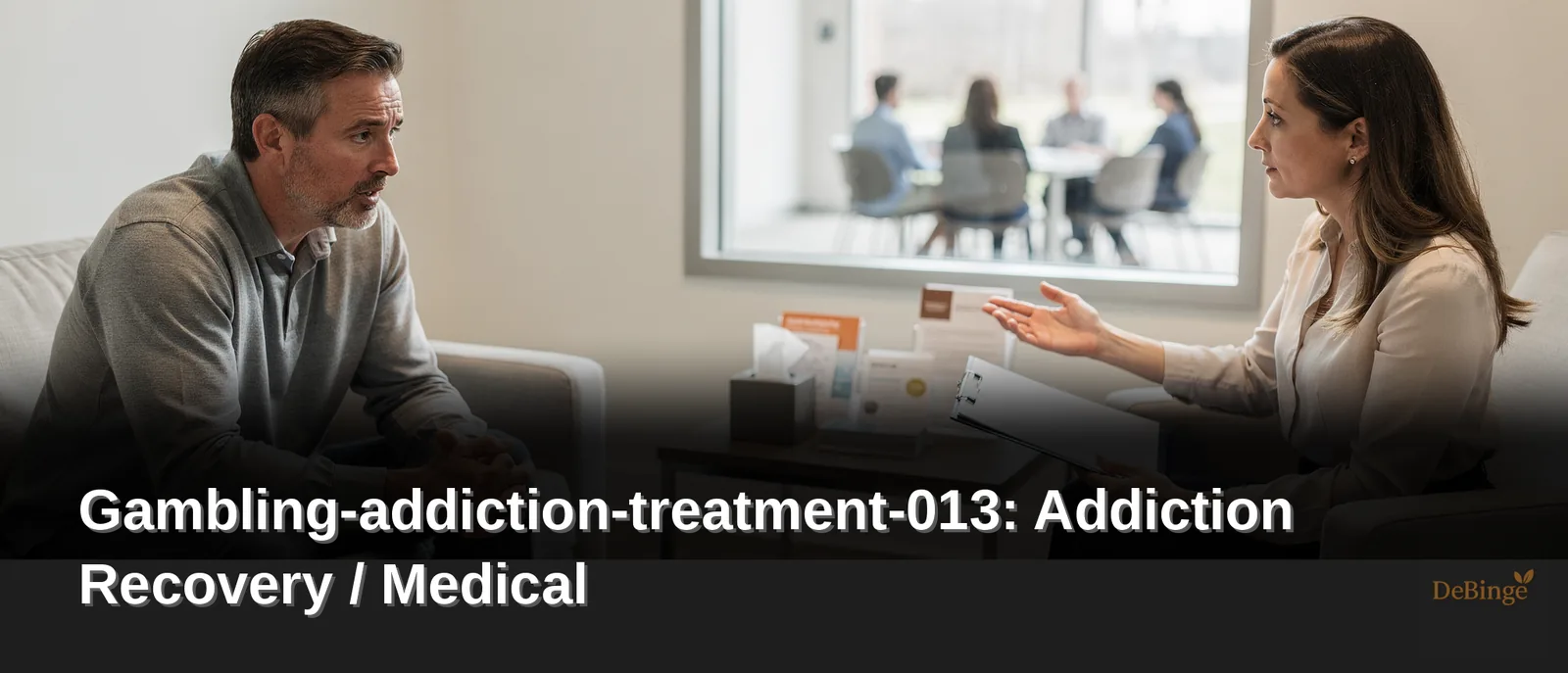
Behavioral therapy for gambling stands as a core component of most treatment plans. Trained therapists and counselors with expertise in gambling addiction build sessions around each person’s specific situation, adjusting techniques to individual triggers, family dynamics, and financial pressures. No two treatment plans should look identical.
Does gambling addiction require a medical evaluation first?
Yes. A qualified health care provider or mental health professional should assess gambling behavior before treatment begins. This step rules out underlying conditions and confirms the severity of the pattern, giving both patient and provider a clear starting point.
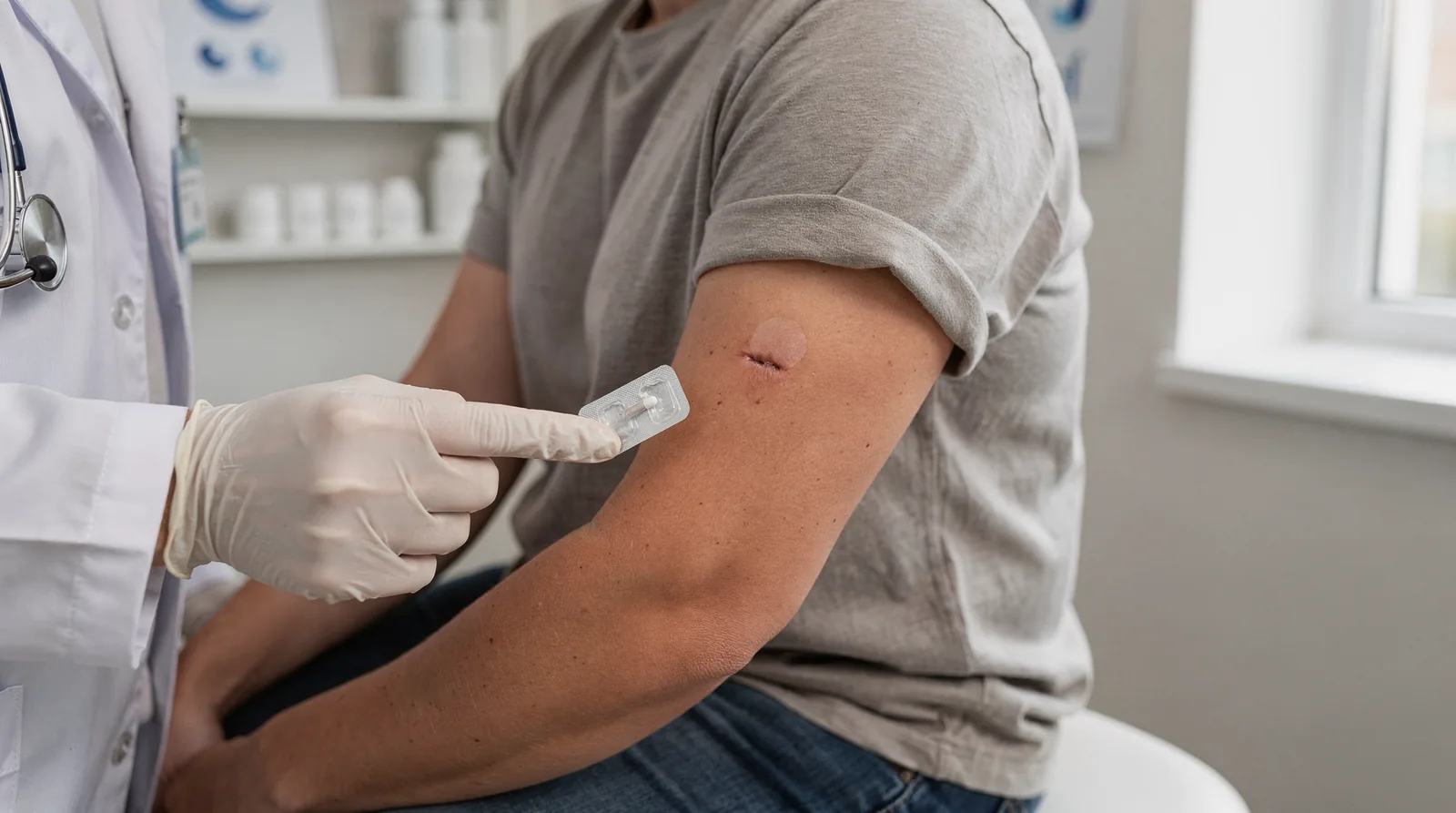
Pharmacological support adds another layer to gambling addiction treatment. DeBinge Ltd. offers sustained-release naltrexone implants, providing a naltrexone gambling intervention that works alongside counseling rather than replacing it. This approach targets the brain’s reward pathways directly.
What does compulsive gambling help usually include?
Comprehensive compulsive gambling help typically blends counseling, medical evaluation, and, for many patients, medication support. Family involvement often strengthens outcomes, since family impact gambling issues frequently drive both the addiction and the motivation to recover.
How Does the Naltrexone Implant Block Cravings?
A small device placed beneath the skin delivers medication continuously for Based on DeBinge’s clinical experience in The Bahamas since 2018, the implant typically provides its strongest craving and relapse-prevention support on average 9 months, while clinically meaningful opioid-receptor blockade may persist for longer, in some patients up to about 15 months. This longer blockade may continue to reduce opioid effects and overdose risk., addressing cravings without daily dosing. This design removes the burden of remembering pills and closes the gaps where relapse tends to occur.
The mechanism works through gradual release. Naltrexone enters the bloodstream slowly and steadily, sustaining its effect for months rather than hours. That steady delivery keeps medication levels stable, avoiding the peaks and drops associated with oral treatment.
What Actually Happens in the Brain?
The medication targets opioid receptors tied to the brain’s reward system. By blocking these receptors, the implant interrupts the reinforcement loop that fuels compulsive behaviors, including gambling. Cravings connected to alcohol, opioids, and other substances lose much of their pull once this pathway is disrupted.
This is where naltrexone-gambling-013 treatment distinguishes itself from talk-based approaches alone. Rather than relying solely on willpower or scheduled counseling sessions, the implant works continuously in the background. That constancy supports long-term stability and lowers the risk of relapse during vulnerable moments.
Is This Treatment Available Anywhere Else?
DeBinge’s formulation of the implant is not offered elsewhere. Clients considering gambling-addiction-treatment-013 options should understand this exclusivity when comparing programs.
Family members researching family-impact-gambling-013 concerns often ask whether pharmacological support alone is sufficient. It rarely stands alone. Pairing the implant with behavioral-therapy-gambling-013 and broader compulsive-gambling-help-013 resources builds a more complete path toward lasting recovery.

Why Does Family Support Matter in Recovery?
Families anchor the recovery process. Stable relationships and restored self-respect often follow when a person completes gambling-addiction-treatment-013. Begins to repair the trust that compulsive behavior damaged. Recovery rarely happens in isolation. The people closest to a patient absorb the fallout of gambling losses, broken promises, and financial strain. Their involvement shapes how durable that recovery becomes.
Treatment built around naltrexone-gambling-013 targets long-term satisfaction over short-lived pleasure, a shift that directly benefits household dynamics. As cravings quiet, patients redirect energy toward rebuilding trust with spouses, children, and parents rather than chasing the next bet.
Where Can Families Find Support While a Loved One Recovers?
Round-the-clock resources exist specifically for this purpose. SAMHSA’s National Helpline operates 24 hours a day, 365 days a year, offering free and confidential referral information for both individuals and family members facing addiction.
Does Compulsive Gambling Recovery Only Help the Patient?
No. Family-impact-gambling-013 extends well beyond the individual receiving care. A recovery model grounded in compassion and clinical support, paired with behavioral-therapy-gambling-013 and structured compulsive-gambling-help-013, reassures families that comfort and sustainable healing remain the priority throughout treatment.
Conclusion
In closing, individuals confronting gambling addiction benefit from a comprehensive treatment landscape encompassing behavioral therapy, cognitive interventions, and pharmacological solutions. The sustained-release Naltrexone Implant represents a significant advancement in medical intervention, offering patients a clinically proven mechanism to disrupt addiction pathways and reduce cravings over an extended period. By combining evidence-based therapeutic approaches with innovative pharmaceutical technology, individuals achieve the neurological stability necessary for genuine recovery, enabling them to reconstruct meaningful lives grounded in authentic satisfaction rather than compulsive behavior.