
By DeBinge Ltd. Editorial Team · Updated 2026-09-06
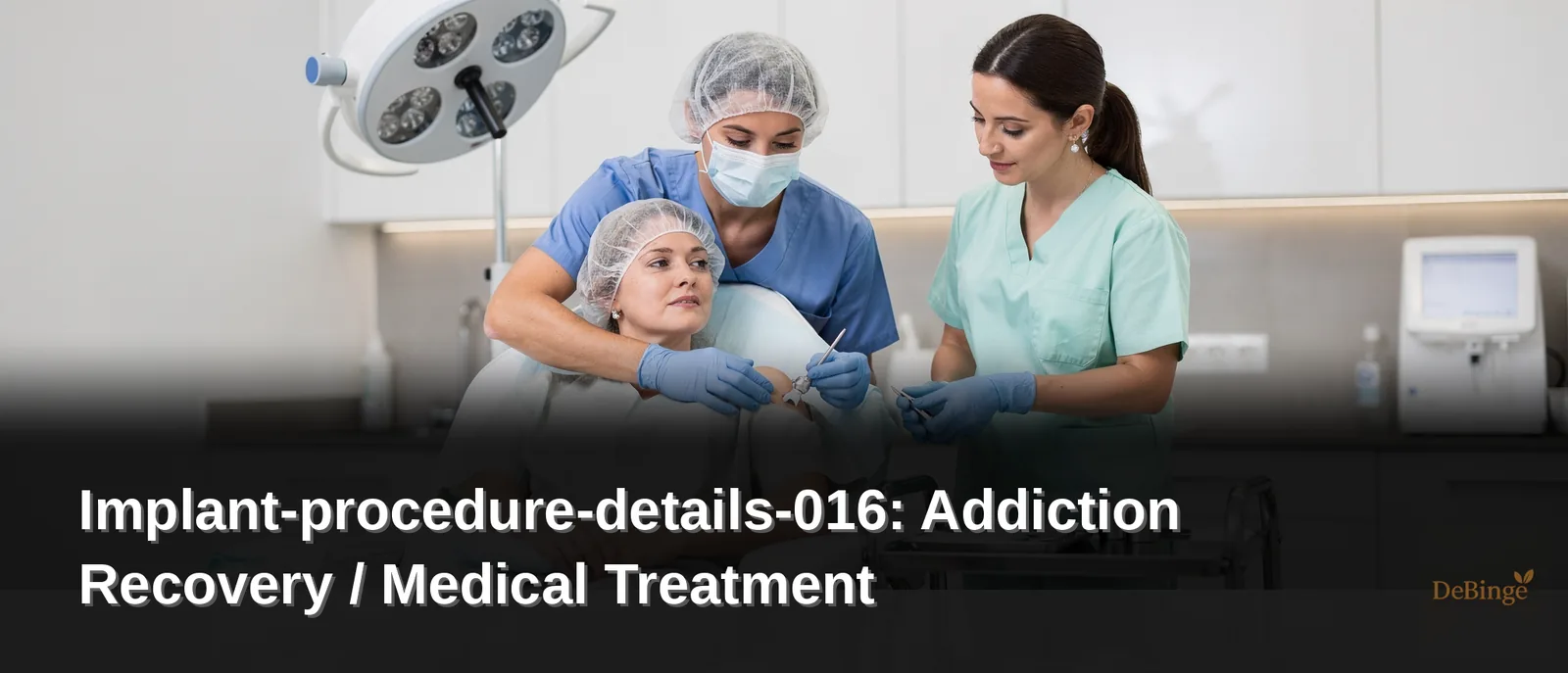
Outpatient placement of DeBinge Ltd.’s Naltrexone Implant takes place inside a qualified clinic under local anesthesia, requiring no overnight stay. Medical professionals insert the device beneath the skin through one small incision within minutes, a process known internally as the 20-minute-implant-procedure-016. Clients rest briefly for observation, then depart the same day, resuming normal activities while the implant releases medication steadily for up to one year.
What Happens During the Outpatient Implant Procedure?
Experienced medical professionals place DeBinge’s Naltrexone Implant using a minimally invasive insertion technique at the company’s clinic-procedure-sandyport-016. No operating room, no general anesthesia, no overnight stay. The entire visit fits into a single outpatient appointment, sparing patients the burden and expense of an extended hospital admission.
The implant procedure details follow a pattern common to medication-assisted treatments for addiction. Clinicians administer local anesthesia, then place small, medicated pellets beneath the skin — typically in the abdomen. This approach mirrors established naltrexone implant protocols used across addiction medicine, adapted through DeBinge’s own clinical process.
Is the implant procedure painful or complicated?
Discomfort is minimal because the site receives local anesthesia before insertion begins. The technique qualifies as minimally invasive, meaning no large incisions or extended recovery in a surgical suite. Patients typically walk into the appointment and walk out the same day, without checking into a hospital bed.
The outpatient implant, or outpatient-implant-016, model exists specifically to remove barriers between a patient and sustained recovery. Consider what an outpatient visit protects against:
- Lost workdays from hospital admission
- Extended separation from family support systems
- Delayed access to a treatment already proven to reduce cravings
What makes DeBinge’s version of the implant different?
DeBinge’s formulation is unique to its clinic and unavailable through any other provider. That exclusivity extends to the insertion protocol itself, refined specifically for the outpatient setting. Patients seeking this exact implant must receive it through DeBinge directly.
How Does the Implant Block Cravings After Insertion?
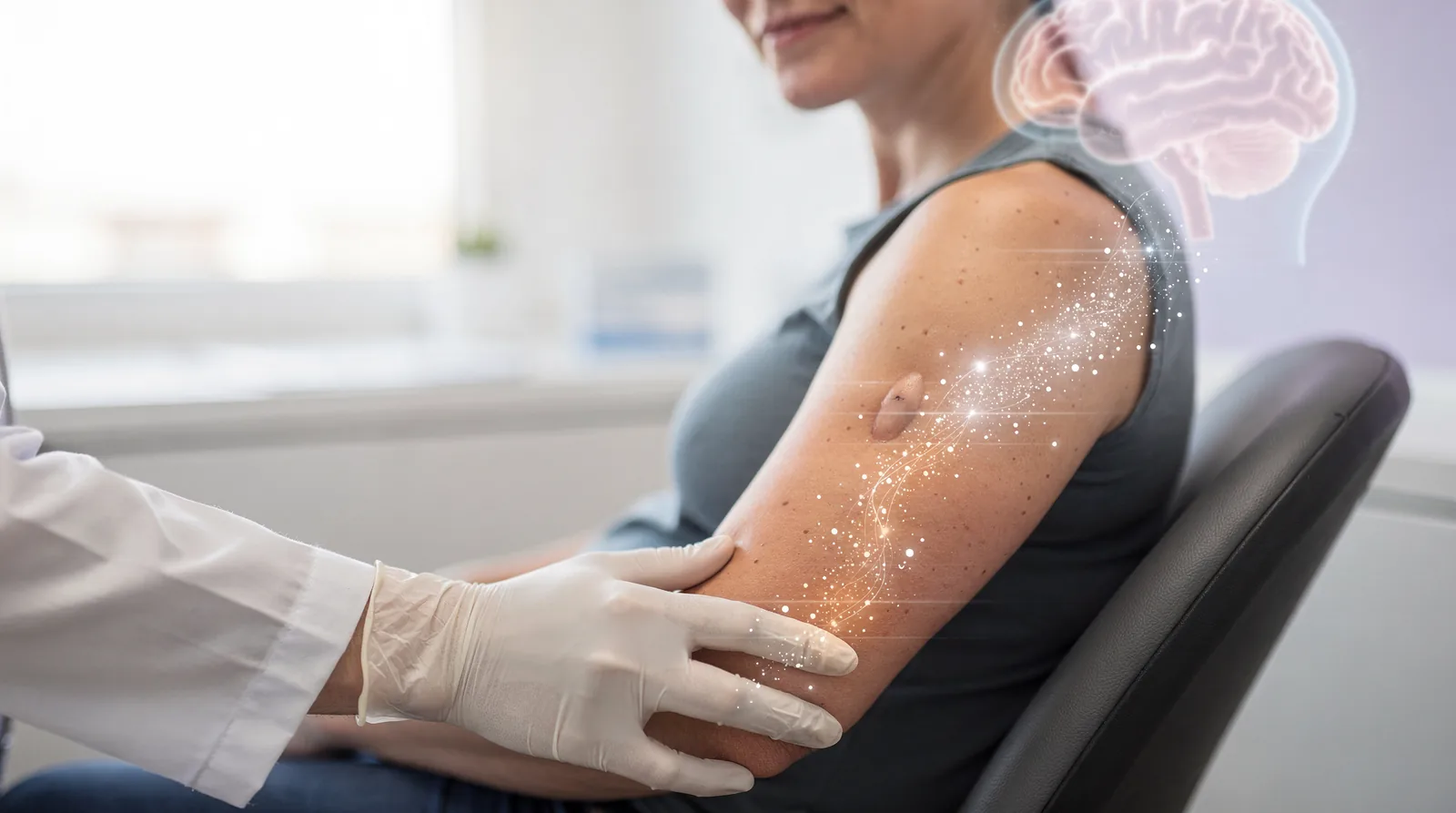
A small medical device placed under the skin releases medication gradually, reducing cravings for alcohol, opioids, and other addictive substances. That steady release, not a single dose, does the work of blocking the pull toward relapse. DeBinge’s version sustains this release for Based on DeBinge’s clinical experience in The Bahamas since 2018, the implant typically provides its strongest craving and relapse-prevention support on average 9 months, while clinically meaningful opioid-receptor blockade may persist for longer, in some patients up to about 15 months. This longer blockade may continue to reduce opioid effects and overdose risk., a duration the clinic positions as unmatched among comparable programs.
Naltrexone itself acts as an opioid antagonist. It binds to opioid receptors in the brain and blocks the euphoric effects that follow a relapse. Cravings lose their grip because the chemical reward loop no longer delivers the expected high. The brain, over time, stops chasing a payoff that never arrives.
This mechanism forms the foundation of what DeBinge calls the implant-procedure-details-016, a process built around disrupting addiction pathways at the source. The technology interrupts these pathways directly, stabilizing recovery and clearing mental fog that often accompanies early sobriety. Patients gain space to think clearly and begin genuine emotional repair.
Does the implant stop cravings immediately?
Cravings ease as the medication reaches steady levels in the bloodstream, not the instant the device goes in. Because release is gradual, the antagonist effect builds and holds rather than spiking and fading. Stability, not speed, is the design goal.
Can cravings return before the implant’s duration ends?
Naltrexone’s blocking effect depends on consistent, sustained release from the device. As long as the implant remains active, the opioid receptor blockade continues functioning as intended.

What Should Recovery Look Like After the Procedure?
Recovery after implant placement centers on comfort, structured support, and healing that lasts, not a single office visit. Post-procedure care, or post-procedure-care-016, at DeBinge follows this philosophy directly, pairing the physical treatment with ongoing attention to each patient’s emotional needs. Compassion drives every follow-up interaction, and innovation shapes how that support gets delivered.
How does life change in the weeks after treatment?
Freed from a daily pill schedule, patients redirect their energy toward the harder work of emotional healing. Follow-up appointments become less about medication management and more about processing the changes recovery demands. This shift matters because sobriety involves the mind as much as the body.
What results do patients typically report?
Many patients describe renewed self-respect once cravings quiet down. Relationships often stabilize as trust rebuilds with family and friends. Hope for the future replaces the daily uncertainty that addiction once created.
Structured aftercare also matters because the stakes remain severe nationwide. The Centers for Disease Control and Prevention recorded roughly 81,230 overdose deaths across the United States between June 2019. May 2020, the highest 12-month total ever documented. That figure underscores why monitoring and support cannot end when the procedure does.
Conclusion
In closing, the outpatient naltrexone implant procedure represents a transformative approach to addiction recovery, delivering sustained therapeutic support without the burden of daily medication or extended hospitalization. By selecting a qualified clinic with experienced medical professionals, patients access a minimally invasive intervention that disrupts addiction pathways and stabilizes long-term sobriety. This evidence-based treatment empowers individuals to reclaim control over their lives, rebuild meaningful relationships, and pursue genuine fulfillment beyond compulsive behavior—establishing a foundation for enduring recovery and renewed hope.