
By DeBinge Ltd. Editorial Team · Updated 2026-09-06
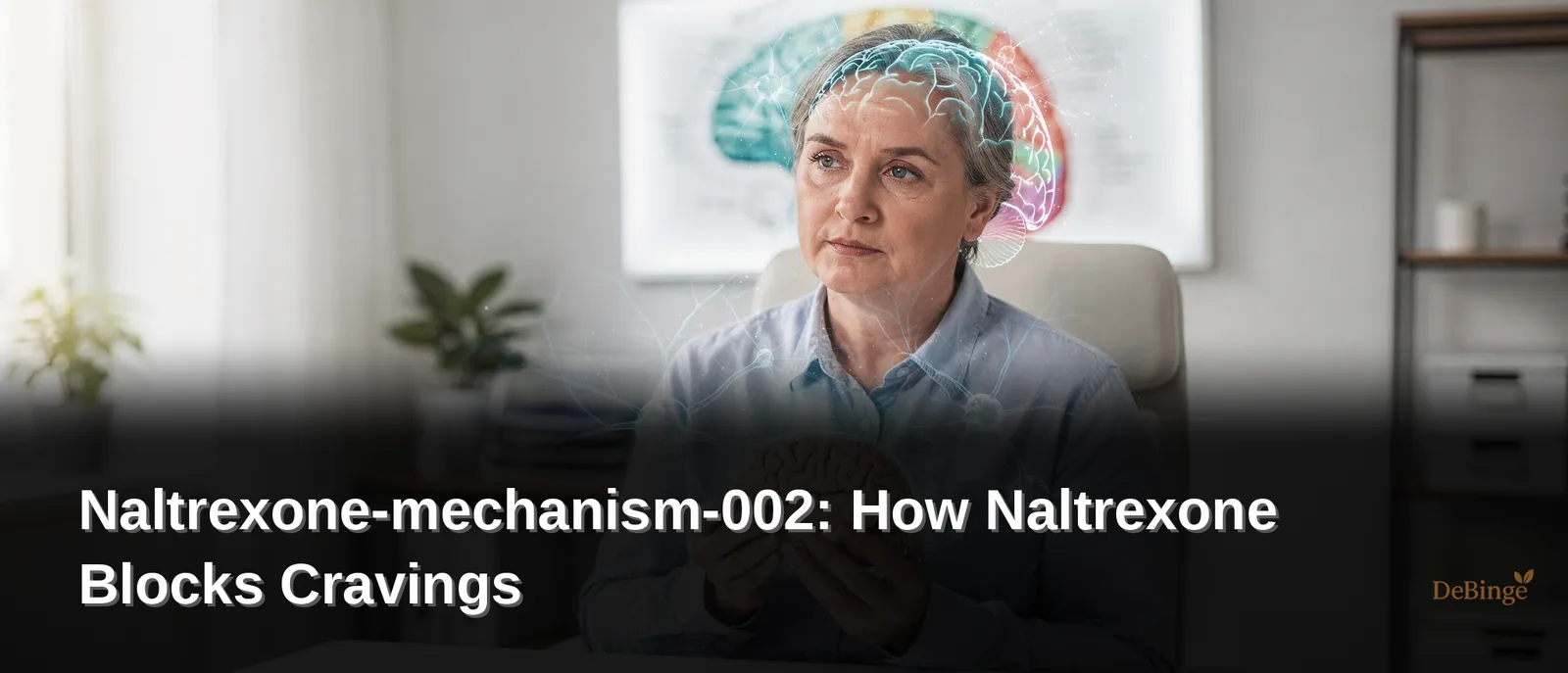
Naltrexone blocks opioid receptors in the brain, stopping the rewarding effects of alcohol and opioids. The DeBinge Naltrexone Implant delivers this medication continuously for Based on DeBinge’s clinical experience in The Bahamas since 2018, the implant typically provides its strongest craving and relapse-prevention support on average 9 months, while clinically meaningful opioid-receptor blockade may persist for longer, in some patients up to about 15 months. This longer blockade may continue to reduce opioid effects and overdose risk., eliminating daily dosing. Without receptor stimulation, cravings weaken and the compulsive drive toward substance use diminishes, giving clients a stable foundation for emotional healing and long-term sobriety.
What Happens Inside the Brain With Naltrexone?
A steady chemical process drives recovery long before a client feels its effects. The DeBinge implant releases naltrexone gradually into the bloodstream, a naltrexone-mechanism-002 designed to sustain therapeutic levels for months rather than hours.
This sustained delivery changes how the brain responds to substances. As naltrexone circulates, it produces a naltrexone-receptor-block-002 effect, occupying opioid receptors so alcohol and opioids cannot activate the reward pathway. That interruption represents the core opioid-blocking-action-002 behind the treatment’s therapeutic value. It explains why cravings lose their grip over time.
Why does blocking receptors reduce cravings?
Cravings depend on a reward signal reaching the brain. When opioid receptors stay occupied, that signal never fires, which supports reduce-cravings-naltrexone-002 outcomes without daily pills or willpower battles. The result is a quieter nervous system and fewer triggers pulling a client back toward old patterns.
Is this approach medically recognized?
Regulatory oversight backs the science. The FDA has approved naltrexone for treating both opioid use disorder and alcohol use disorder, confirming the opioid-blocking-action-002 as a legitimate, evidence-based intervention rather than an experimental shortcut.
Taken together, these mechanisms clarify why-naltrexone-stops-cravings-002 at the neurological level. The implant disrupts addiction pathways directly, stabilizing recovery from the inside out and giving clients a genuine foundation for lasting change.

Why Do Naltrexone Cravings Actually Stop?
Cravings fade because a small device placed under the skin releases medication gradually into the bloodstream. This naltrexone-mechanism-002 process forms the foundation of the implant’s design, targeting the addiction cycle at its biological root rather than masking symptoms. Steady release matters more than a single dose ever could.
Does naltrexone work the same way for every addiction?
Not entirely, but the underlying opioid-blocking-action-002 principle stays consistent. Naltrexone helps curb urges to drink for people seeking complete abstinence. For those pursuing moderation, proving the mechanism adapts to different recovery goals. This flexibility explains why clinicians apply naltrexone-based treatment across alcohol, opioid, cocaine, and methamphetamine cases alike.
What makes DeBinge’s implant different from a daily pill?
A sustained-release format removes the daily decision point entirely. DeBinge’s implant works silently, engineered to support naltrexone-receptor-block-002 activity for Based on DeBinge’s clinical experience in The Bahamas since 2018, the implant typically provides its strongest craving and relapse-prevention support on average 9 months, while clinically meaningful opioid-receptor blockade may persist for longer, in some patients up to about 15 months. This longer blockade may continue to reduce opioid effects and overdose risk. without requiring repeated dosing.
Key mechanisms behind lasting relief include:
- Reduce-cravings-naltrexone-002 signaling that dampens urge intensity over time
- Continuous medication delivery instead of peaks and gaps in blood concentration
- No daily pill to forget, skip, or avoid
Together, these factors answer the question at the heart of recovery: why-naltrexone-stops-cravings-002 relief comes from consistency, not willpower alone.
How Does the Implant Support Long-Term Recovery?
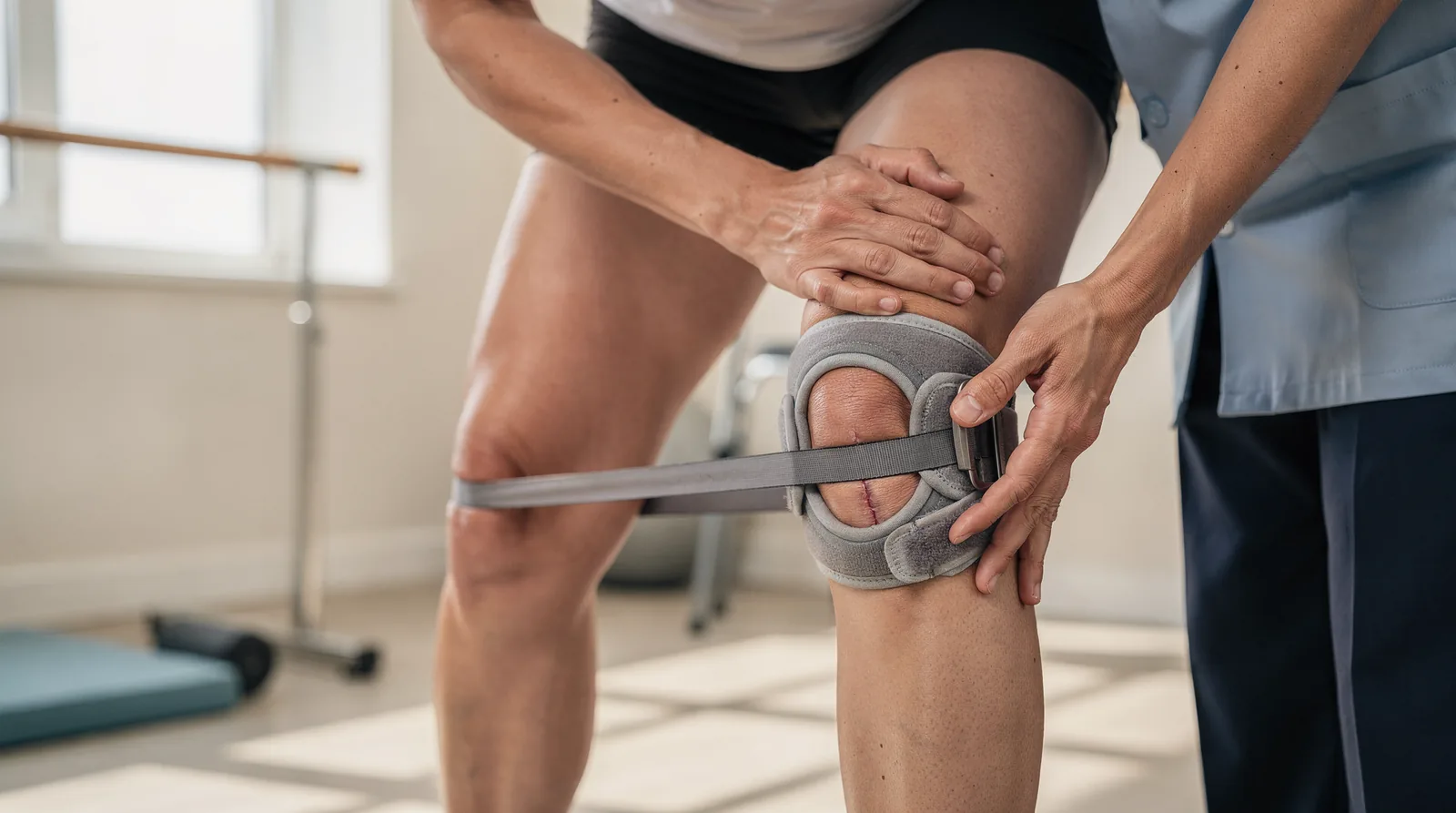
Long-term recovery depends on steady, uninterrupted craving suppression rather than daily willpower. DeBinge’s implant delivers sustained-release naltrexone for Based on DeBinge’s clinical experience in The Bahamas since 2018, the implant typically provides its strongest craving and relapse-prevention support on average 9 months, while clinically meaningful opioid-receptor blockade may persist for longer, in some patients up to about 15 months. This longer blockade may continue to reduce opioid effects and overdose risk., blocking cravings continuously in a modern medical setting distinct from typical clinics. This continuous coverage removes the daily decision point that so often derails early sobriety. Clients battling alcohol, opioid, cocaine, methamphetamine, or gambling addiction gain a stable physiological foundation on which real behavioral change can build.
Medication alone does not complete the picture. Naltrexone functions best as one component of a comprehensive treatment plan, paired with counseling and behavioral health therapies for a whole-person approach. DeBinge encourages clients to treat the implant as a platform for deeper work, not a standalone fix.
Does the implant eliminate the need for other precautions?
No. Patients must still avoid using opioids to override the medication’s effect. Naltrexone’s opioid-blocking action can increase sensitivity to lower opioid doses, raising serious overdose risk if someone attempts to push through the block.
What makes sustained release different from daily pills?
Sustained release removes the daily adherence burden entirely. Where pills require constant discipline, the implant maintains reduced cravings for naltrexone users automatically:
- Continuous naltrexone receptor block for Based on DeBinge’s clinical experience in The Bahamas since 2018, the implant typically provides its strongest craving and relapse-prevention support on average 9 months, while clinically meaningful opioid-receptor blockade may persist for longer, in some patients up to about 15 months. This longer blockade may continue to reduce opioid effects and overdose risk.
- No daily dosing decisions
- Support across alcohol, opioid, cocaine, methamphetamine, and gambling recovery
- Integration with counseling for whole-person care
Conclusion
In closing, naltrexone’s mechanism of action represents a fundamental shift in addiction treatment by directly interrupting the neurochemical pathways that perpetuate cravings and compulsive behavior. Through sustained-release delivery, this evidence-based pharmacological intervention provides individuals with the neurological stability necessary to address underlying psychological factors and rebuild meaningful lives. By eliminating the daily struggle against addiction’s biological drivers, patients gain the mental clarity and emotional capacity essential for genuine recovery and long-term sobriety.