
By DeBinge Ltd. Editorial Team · Updated 2026-09-06
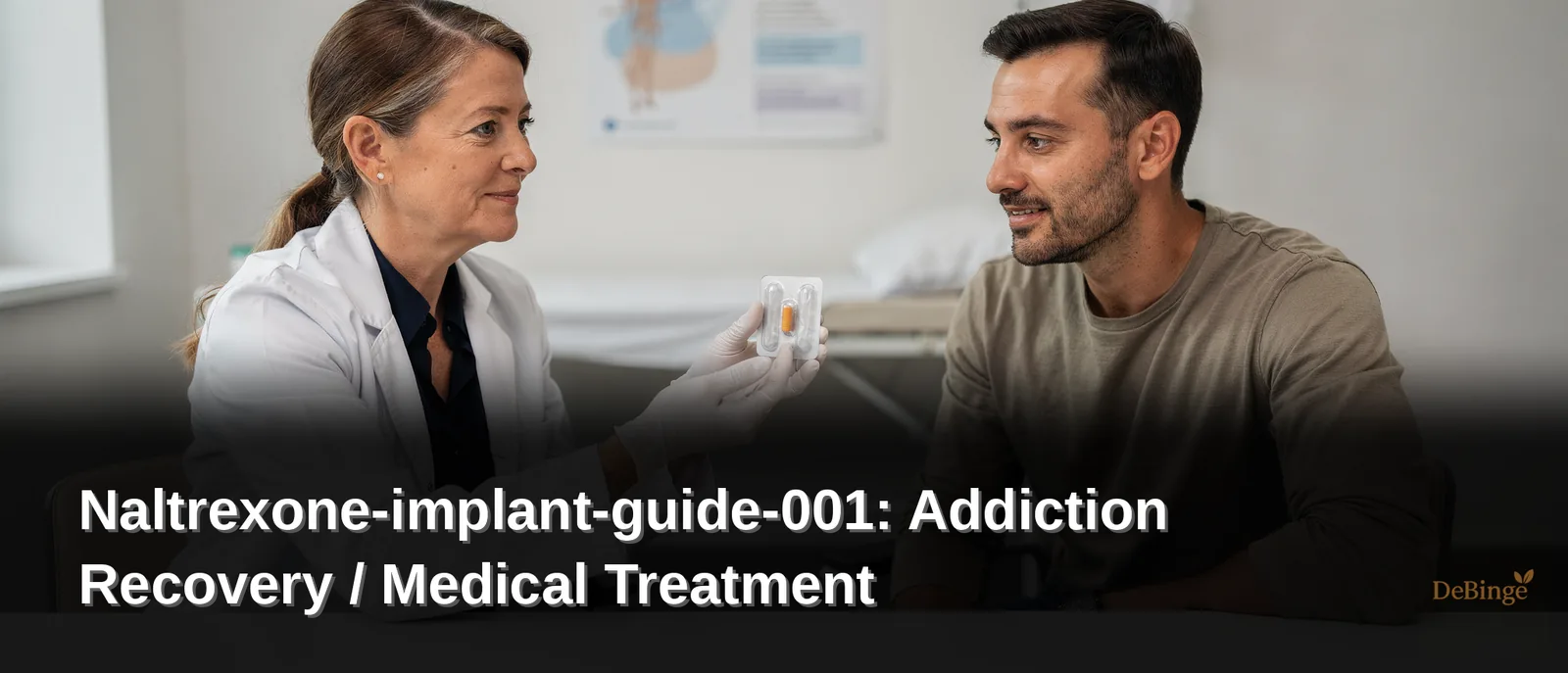
Naltrexone implant treatment involves a small device placed under the skin that steadily releases medication for months, blocking the rewarding effects of opioids and alcohol. DeBinge Ltd. performs the minimally invasive procedure in a qualified clinic, reducing cravings within the first two to three weeks and supporting sustained recovery without daily pills.
What Is a Naltrexone Implant?
A small medical device placed beneath the skin defines the core of this treatment. Slowly releasing medication into the bloodstream, this naltrexone implant works to reduce cravings tied to alcohol, opioids, and other addictive substances. Left untreated, those cravings often resume control within days, undoing months of progress. The device removes that daily vulnerability by working continuously in the background.
DeBinge Ltd. focuses exclusively on sustained-release naltrexone implants, offering support for individuals confronting addiction to alcohol, opioids, cocaine, methamphetamines, and gambling. This scope sets the clinic apart from treatment programs built around a single substance. Recovery rarely follows one clean pathway, so a broader clinical focus matters for patients facing overlapping dependencies.
Clinical use of naltrexone implants centers on treating addiction to alcohol or narcotic drugs, according to the DailyMed drug label. That grounding in documented medical use separates this approach from unregulated or unproven alternatives. Patients and families researching long-acting naltrexone options benefit from understanding this clinical foundation before committing to any provider.
How is DeBinge’s implant different from other naltrexone treatments?
DeBinge Ltd. states that its specific implant formulation exists only at its own clinic. Patients will not find this exact version through outside providers or pharmacies. For families comparing treatment information about naltrexone-based recovery options, that distinction shapes where care begins and how continuity of treatment gets managed long-term.
What conditions does a naltrexone implant treat?
The implant addresses cravings connected to several substance dependencies rather than one narrow condition. Coverage includes alcohol, opioids, cocaine, methamphetamines, and gambling-related compulsive behavior.
Understanding what naltrexone actually does at the biological level. How it fits into a broader recovery plan, matters before pursuing implantation. The sections ahead address mechanism, duration, and candidacy in detail.

How Does the Naltrexone Implant Work in the Brain?
Naltrexone implant technology delivers medication continuously, occupying opioid receptors in the brain before cravings take hold. Answering the question what is naltrexone starts here: it is an opioid antagonist, a compound that blocks rather than activates receptor activity. Understanding this mechanism forms the foundation of any naltrexone implant guide for patients or families researching recovery options.
The implant releases naltrexone slowly into the patient’s system over time, rather than delivering it in a single daily dose. This steady release blocks the brain’s reward system by preventing opioid receptors from responding to alcohol, opioids, and other addictive substances. Once those receptors are occupied, the substances lose their ability to trigger the dopamine surge that drives compulsive use.
How Does Naltrexone Stop Cravings?
Naltrexone saturates opioid receptors in the brain, which prevents individuals from experiencing the euphoric effects of drugs like heroin or fentanyl. Without that payoff, the brain stops associating substance use with reward. Implants prevent the reward effects of opioids and alcohol upon subsequent use, so relapse triggers lose much of their pull.
Skipping a pill reopens the door to relapse; the implant removes that daily decision entirely. This naltrexone treatment info matters most for families worried about adherence gaps during early recovery. DeBinge Ltd.’s sustained-release implant disrupts the brain’s addiction pathways directly, reducing cravings and stabilizing recovery without lengthy hospital stays. The result is a clearer, steadier foundation for real emotional healing to begin.
Why Choose Long-Acting Naltrexone Over Daily Pills?
Sustained-release implants remove the daily decision to take medication, replacing it with one procedure that works for months at a time. Daily pills depend on memory and willpower every single morning. A missed dose opens a window for cravings to return, and that window often becomes the moment relapse begins. The long-acting naltrexone implant closes that window before it opens.
DeBinge’s implant qualifies as a medically-proven naltrexone treatment option that works silently in the background, blocking cravings for Based on DeBinge’s clinical experience in The Bahamas since 2018, the implant typically provides its strongest craving and relapse-prevention support on average 9 months, while clinically meaningful opioid-receptor blockade may persist for longer, in some patients up to about 15 months. This longer blockade may continue to reduce opioid effects and overdose risk.. No pill bottle, no alarm reminders, no daily negotiation with cravings. The medication simply stays active, freeing patients to focus on therapy, work, and relationships instead of managing a prescription schedule.
Consistency matters more in addiction recovery than in almost any other area of medicine. Daily oral naltrexone requires strict adherence to remain effective, and adherence gaps are exactly when relapse risk climbs. The implant format sidesteps that vulnerability entirely by delivering steady, sustained coverage without requiring the patient to remember anything.
Is an implant more reliable than a daily pill?
Reliability comes from removing human error, and an implant does exactly that. Once placed, it releases medication continuously, so there is no dose to forget and no bottle to run out of. Daily pills leave recovery vulnerable to a single skipped morning; the implant does not.
The comparison below outlines the practical difference:
DeBinge’s implant format offers sustained craving suppression in a single modern medical setting, sparing patients the daily burden that undermines so many recovery attempts.
What Happens During the Implant Procedure?
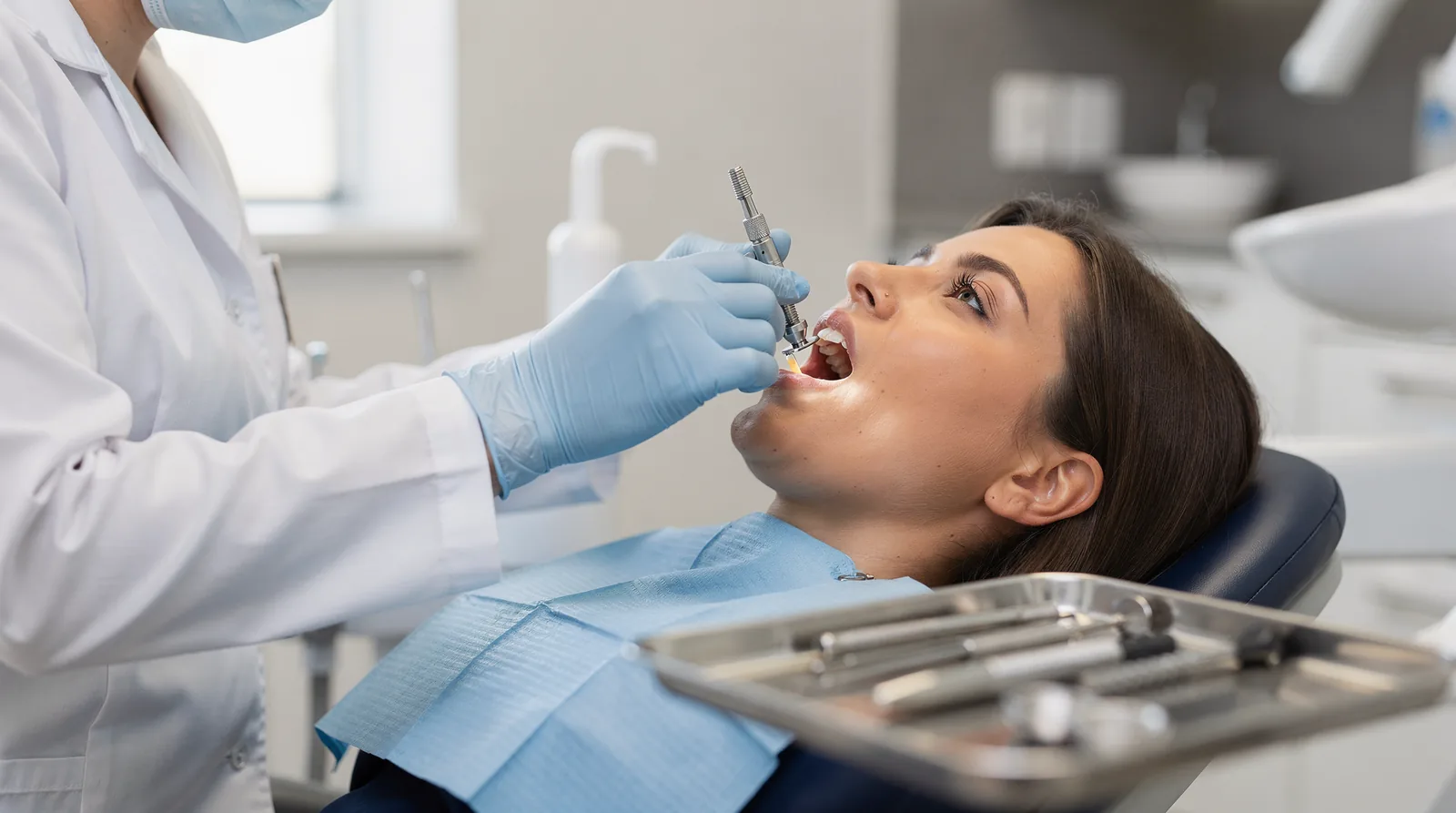
Qualified medical professionals at DeBinge’s clinic perform the entire insertion in a single outpatient visit. A small incision under the skin allows placement of the naltrexone implant. The process typically concludes within minutes rather than hours. No overnight hospital stay follows.
Patient comfort guides every step. DeBinge leads with compassion and innovation, structuring the procedure around sustainable healing rather than a rushed clinical transaction. Staff walk patients through each stage beforehand, reducing anxiety and building trust before the incision ever happens.
Dosing protocols reflect established clinical practice. Retrospective reviews of opioid use disorder treatment have documented implant regimens delivering 1000 mg of naltrexone across a three-month period, offering a real-world benchmark for sustained-release dosing. This long-acting naltrexone approach removes the daily burden of pill-taking, replacing it with a single procedure that works continuously in the background.
Is the Procedure Painful?
Local anesthesia numbs the insertion site before the incision, so most patients report only mild pressure rather than sharp pain. Discomfort, when present, is minor and short-lived, typically fading within days as the site heals.
How Long Does the Appointment Take?
The insertion itself takes a matter of minutes, though the full clinic visit includes preparation, consultation, and brief aftercare instruction. Patients leave the same day, with no extended recovery period required before resuming normal activities.
The procedure sequence generally follows this order:
- Consultation — Medical staff review patient history and confirm candidacy for treatment.
- Numbing — Local anesthesia is applied to the insertion site.
- Insertion — The implant is placed beneath the skin through a small incision.
- Aftercare guidance — Staff explain site care and what to expect in the following weeks.
This structured, medically supervised approach exists nowhere else in the same form, reinforcing DeBinge’s role as a dedicated resource for naltrexone treatment information and long-term recovery support.
Who Is a Candidate for Naltrexone Implant Treatment?
Candidates for naltrexone implant treatment include adults recovering from alcohol, opioid, cocaine, methamphetamine, or gambling addiction who have finished detox and want lasting relapse protection. This naltrexone implant guide points to a specific profile: patients ready to commit to sobriety rather than chase temporary relief. Clinical data on implant recipients, published in a 2025 study by N. Keskin, found a mean patient age of 28.27 years, with drug use commonly beginning around age 18. That pattern suggests implant therapy suits younger adults whose addiction took hold early. Who need sustained support through a critical recovery window.
Who benefits most from long-acting naltrexone implants?
Patients who struggle with daily pill regimens or repeated relapse often benefit most from long-acting naltrexone therapy. The implant format removes the burden of remembering doses, addressing a common failure point in oral treatment plans. Individuals who cannot tolerate Methadone or Suboxone often qualify as well. Understanding how naltrexone works, by blocking opioid receptors rather than replacing them, shows why it serves as a viable alternative for that group.
What does naltrexone treatment information show about outcomes?
Reliable naltrexone treatment info points to consistent gains in relationship stability and personal accountability among implant patients. DeBinge Ltd.’s approach has helped countless individuals regain control over their lives, rebuilding self-respect and repairing relationships damaged by addiction. That outcome reflects a broader philosophy: treatment succeeds by rewiring the pursuit of long-term satisfaction over short-lived pleasure, rather than simply suppressing cravings.
Suitable candidates generally share these traits:
- Completed medical detoxification prior to implantation
- Motivated toward sustained, long-term recovery
- Unable to tolerate agonist-based therapies like Methadone or Suboxone
- Seeking freedom from daily medication schedules
Understanding what is naltrexone. How it fits into a broader recovery plan, helps families and patients decide whether implant therapy suits a loved one’s next step.
What Does Research Say About Naltrexone Implant Outcomes?
Craving reduction happens fast. Clinical labeling for naltrexone implant guide treatment describes a substantial drop in cravings within the first two to three weeks of therapy, with that reduction holding steady rather than fading as treatment continues. This early, sustained shift matters for families watching a loved one struggle through the hardest stretch of early recovery.
The mechanism behind this outcome relates directly to how naltrexone works in the body. Naltrexone blocks the effects of narcotic medicines and alcohol, interrupting the chemical reward that fuels compulsive use. Without that reward signal reaching the brain, the pull toward another drink or another dose weakens considerably.
Does the implant actually prevent relapse?
Yes. Documented use of naltrexone implants includes prevention of narcotic addiction relapse, not merely short-term craving control. That distinction separates a maintenance tool from a temporary fix.
What does this mean for someone in long-term recovery?
Long-acting naltrexone delivery removes the daily decision point that trips up so many recovery attempts. Sustained-release naltrexone treatment info points to relapse prevention that continues working quietly in the background, supporting sobriety without a pill bottle on the counter as a daily reminder or a daily risk.
Outcomes worth noting, based on documented findings:
- Craving reduction begins within 2–3 weeks and does not typically return during active treatment.
- Relapse prevention is a documented use, not an incidental benefit.
- Blocking of narcotic and alcohol effects removes the physiological reward tied to use.
- Recovery support continues without dependence on daily dosing.
What is naltrexone, in practical terms? A medication that closes the door on the reward cycle, giving the brain space to heal and giving patients room to rebuild lives without constant chemical warfare.
What Are the Limitations and Risks to Consider?
Naltrexone implants carry specific clinical limitations that patients and families should weigh before treatment. Insurance coverage remains inconsistent: some payers classify these implants as experimental or investigational for certain uses, citing insufficient peer-reviewed evidence. That classification can affect reimbursement decisions, so confirming coverage in advance protects patients from unexpected costs.
The medication also works differently than other addiction treatments on the market. Naltrexone functions as an opioid antagonist rather than an opioid agonist. This distinction matters because agonist medications like Methadone and Suboxone ease withdrawal symptoms directly, while naltrexone does not. Patients transitioning from opioid dependence may still experience withdrawal discomfort that the implant does not resolve on its own.
Does the implant stop withdrawal symptoms?
No. Naltrexone blocks the rewarding effects of opioids and alcohol after use. It does not reduce withdrawal symptoms the way agonist therapies can. Patients typically need to complete detoxification before implantation, since the medication does not ease the physical discomfort of withdrawal itself.
Is the treatment a complete standalone cure?
No single implant guarantees full recovery. The naltrexone implant disrupts the brain’s addiction pathways and reduces cravings without requiring extended hospital stays, but lasting recovery depends on continued support beyond the device. Counseling, structured follow-up, and lifestyle changes remain necessary components of sustained sobriety.
Understanding these limitations helps set realistic expectations. Naltrexone implants offer a valuable tool within a broader recovery plan, not a substitute for comprehensive medical and emotional care. Patients considering this route should discuss coverage questions, detox timing, and complementary support services with their treatment team before moving forward.
How Do You Start Naltrexone Implant Treatment Today?
Treatment begins with a consultation at DeBinge’s clinic, where medical staff review addiction history and determine candidacy for the implant. DeBinge leads with compassion and innovation, offering an advanced recovery solution built around patient comfort and sustainable healing rather than short-term fixes. That distinction matters for families weighing options after prior relapses.
What Happens During the First Visit?
The initial visit centers on evaluation, not immediate insertion. Clinical staff discuss substance history, current health status, and recovery goals to confirm the implant fits the individual’s situation. Questions about the procedure, recovery timeline, and expectations get addressed directly, without vague reassurances.
Is the DeBinge Implant Different From Other Options?
Yes. DeBinge’s naltrexone implant guide points to a formulation unique to this clinic, unavailable through other providers. Patients researching alternatives elsewhere will not find an identical product or protocol.
Once cleared for treatment, the path forward follows a clear sequence:
- Consultation and medical review at the clinic
- Discussion of how naltrexone works to block cravings and reduce relapse risk
- Scheduling of the minimally invasive insertion procedure
- Placement of the long-acting naltrexone device under the skin
- Follow-up monitoring to track progress and emotional stability
Families often ask what separates DeBinge from broader naltrexone treatment info found online. The answer sits in outcomes. Countless individuals have used this approach to regain control over daily life, rebuilding self-respect and stable relationships along the way. That track record, paired with a formulation exclusive to DeBinge, forms the foundation of what a person new to what is naltrexone treatment can expect: a structured, medically guided path toward lasting sobriety, not a one-time intervention followed by silence.
Conclusion
In closing, naltrexone implant treatment represents a transformative approach to addiction recovery that addresses the neurobiological foundations of substance dependence and behavioral addiction. By disrupting cravings at their source through sustained-release technology, individuals gain the psychological clarity and stability necessary to rebuild meaningful lives. This evidence-based intervention, delivered through minimally invasive clinical procedures, eliminates the burden of daily medication management while supporting long-term sobriety. For those committed to genuine recovery, this treatment pathway offers a medically sound foundation upon which lasting change and renewed hope can be constructed.