
By DeBinge Ltd. Editorial Team · Updated 2026-09-06
Families supporting loved ones through addiction benefit from DeBinge Ltd.’s Naltrexone Implant, a minimally invasive procedure delivering sustained-release medication for Based on DeBinge’s clinical experience in The Bahamas since 2018, the implant typically provides its strongest craving and relapse-prevention support on average 9 months, while clinically meaningful opioid-receptor blockade may persist for longer, in some patients up to about 15 months. This longer blockade may continue to reduce opioid effects and overdose risk., blocking cravings for alcohol, opioids, cocaine, methamphetamines, and gambling—eliminating daily medication struggles while stabilizing recovery and rebuilding trust within the family unit.
Families seeking medication-assisted treatment support can call SAMHSA’s free, confidential National Helpline at 1-800-662-HELP (4357), available 24/7, 365 days a year. DeBinge Ltd. complements this by offering a sustained-release Naltrexone Implant that blocks cravings for Based on DeBinge’s clinical experience in The Bahamas since 2018, the implant typically provides its strongest craving and relapse-prevention support on average 9 months, while clinically meaningful opioid-receptor blockade may persist for longer, in some patients up to about 15 months. This longer blockade may continue to reduce opioid effects and overdose risk., supporting loved ones through long-term recovery.
Medication assisted treatment combines FDA-approved medications, like naltrexone, with counseling to treat opioid, alcohol, or substance use disorders. Naltrexone implants, such as those offered by DeBinge Ltd., release medication for months, blocking cravings without daily pills. SAMHSA’s National Helpline, 1-800-662-HELP, offers families free, 24/7 referral support.
What Does Medication-Assisted Treatment Actually Involve?
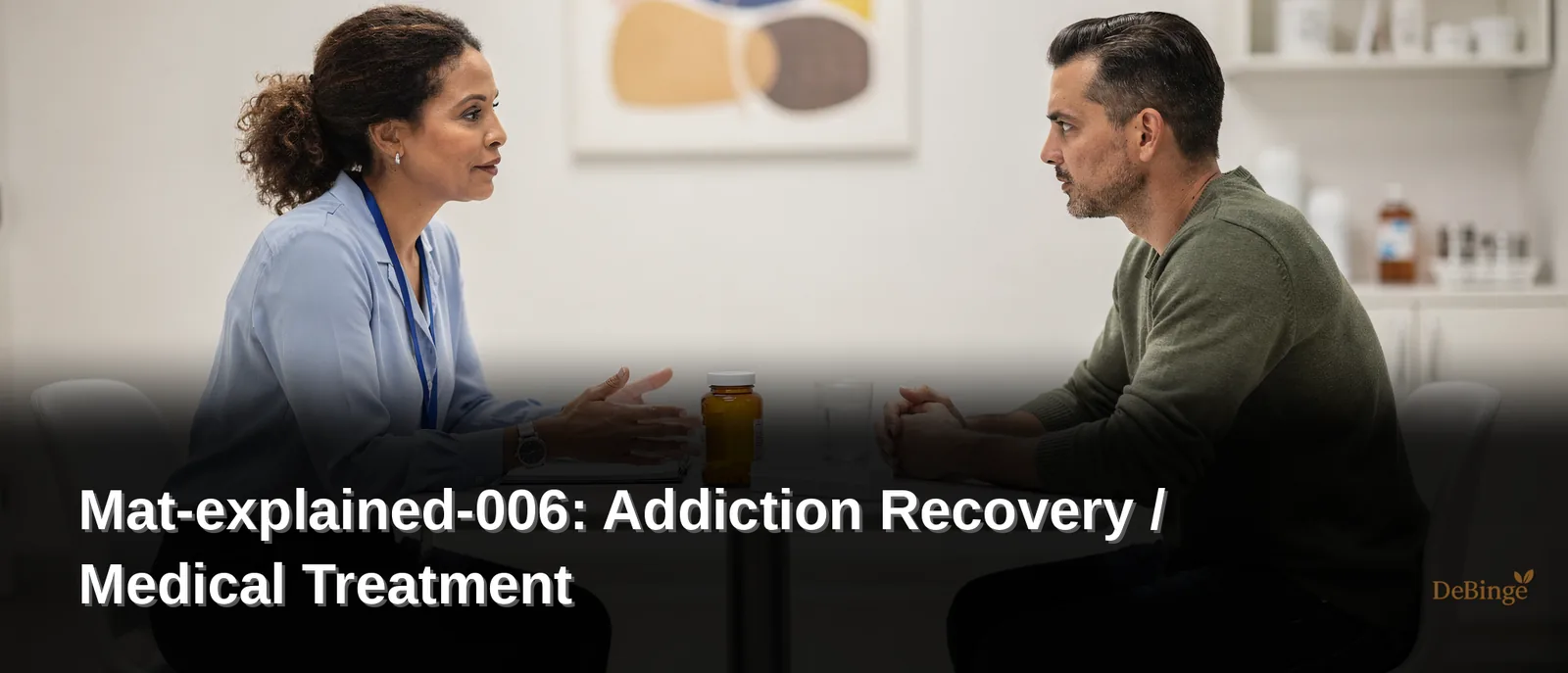
Medication-assisted treatment, often called MAT, combines medication with clinical support to treat substance use disorders. Families researching options for a loved one should understand this is a recognized, evidence-based approach for treating opioid use disorder, not an experimental shortcut. The medication addresses biological cravings while other elements of care address behavior and emotional health.
Recovery rarely succeeds on medication alone. Research shows that pairing MAT for opioid dependence with behavioral therapy improves recovery outcomes and lowers the risk of future relapse. This combined model gives families a fuller picture: medication stabilizes brain chemistry, while therapy rebuilds coping skills and relationships.
How does an implant fit into MAT?
DeBinge’s Naltrexone Implant represents one form medication-assisted treatment for opioid dependence and MAT for alcohol dependence can take. It is a small medical device placed under the skin during a brief clinic procedure. Rather than requiring daily pills, the implant gradually releases medication over an extended period.
What does the medication actually do in the brain?
The active medication blocks opioid receptors within the brain’s reward system. By preventing these receptors from responding to alcohol, opioids, and similar substances, the implant reduces cravings and helps prevent relapse. This mechanism forms the evidence-based foundation caregivers can point to when discussing treatment with a loved one.
How Does MAT Address Opioid And Alcohol Dependence?
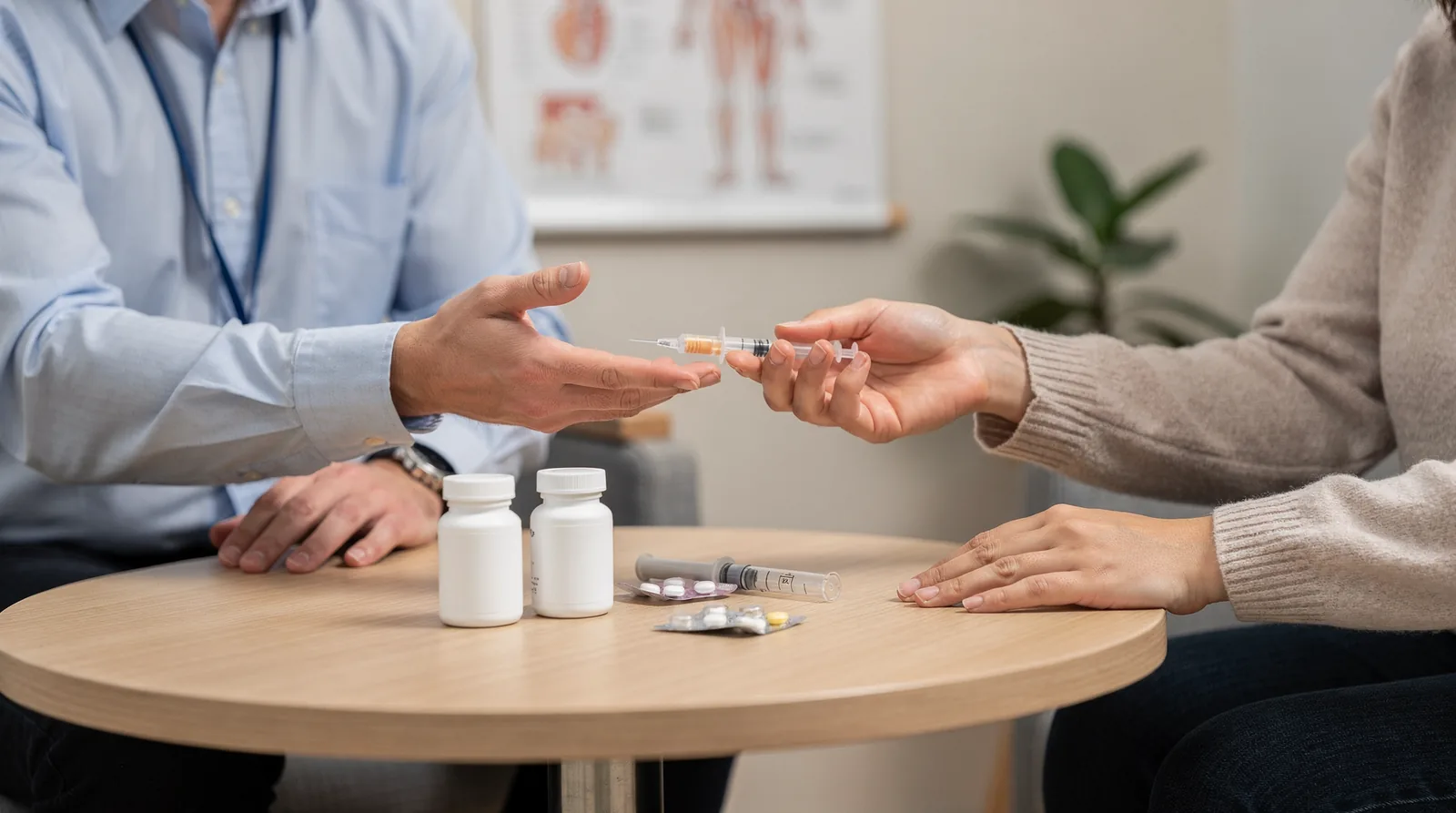
Medication-assisted treatment targets the biological drivers of dependence rather than willpower alone. Medication-assisted-treatment-info-006 combines pharmacological support with structured recovery planning, addressing cravings at their neurological source. Families watching a loved one struggle often ask whether medication can truly change outcomes, and federal policy suggests it can.
The U.S. Department of Health and Human Services expanded medication-assisted treatment nationally as part of a three-pronged 2015 initiative to reduce opioid dependence, alongside improved prescribing practices and wider naloxone access. That policy shift reflects a broader recognition: matches-for-opioid-dependence-006 requires sustained pharmacological intervention, not short-term detox alone.
DeBinge’s sustained-release Naltrexone implants extend this model further. The implant releases medication gradually under the skin, reducing cravings for both alcohol and opioids over time. This dual action makes the device relevant for mat-for-alcohol-dependence-006 cases as well as opioid-focused recovery.
Can one treatment address both alcohol and opioid cravings?
Yes. A single implant supports individuals battling alcohol, opioid, cocaine, methamphetamine, and gambling addiction simultaneously, since craving pathways overlap across substances. One placement can block cravings for Based on DeBinge’s clinical experience in The Bahamas since 2018, the implant typically provides its strongest craving and relapse-prevention support on average 9 months, while clinically meaningful opioid-receptor blockade may persist for longer, in some patients up to about 15 months. This longer blockade may continue to reduce opioid effects and overdose risk., offering sustained protection without daily medication.
- Reduces cravings gradually through continuous release
- Supports alcohol and opioid dependence concurrently
- Lasts up to twelve months per implant
This approach represents mat-evidence-based-006 care, aligned with the mat-explained-006 rationale driving national opioid-response policy.
How Can Families Support A Loved One’s MAT Journey?
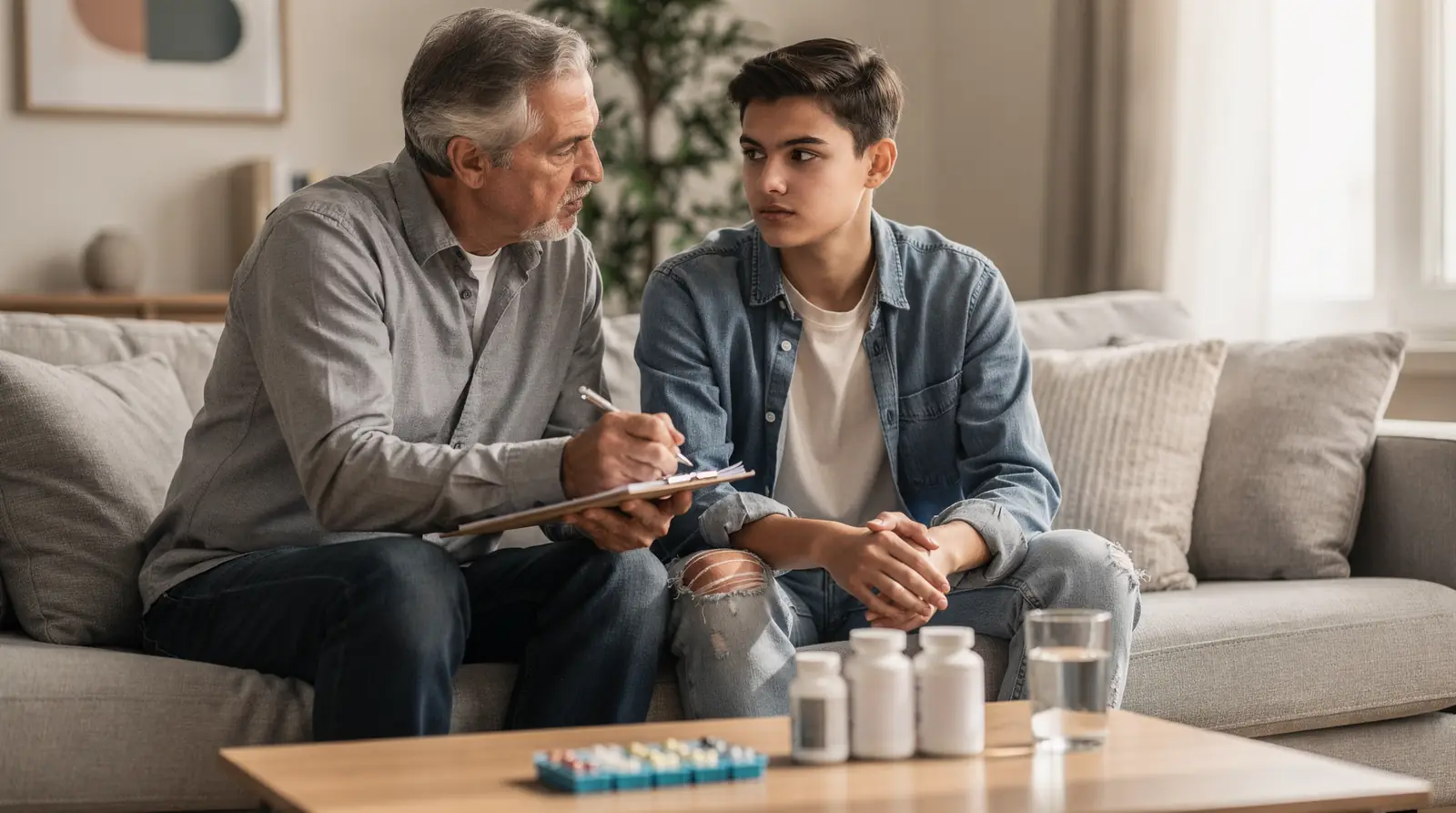
Families support a loved one’s medication-assisted treatment journey by replacing judgment with education and steady encouragement. Conversations about medication-assisted-treatment-info-006 often stall because misconceptions. Stigma surround addiction treatment, a pattern documented in guidance on discussing MAT with relatives. Learning the facts first removes much of that friction and opens the door to honest dialog.
Getting mat-explained-006 basics down early helps relatives avoid common myths, such as assuming medication simply replaces one addiction with another. Once that misinformation clears, families can distinguish matches-for-opioid-dependence-006 protocols from mat-for-alcohol-dependence-006 approaches, since each targets different biological pathways. Recognizing these differences builds confidence rather than confusion.
Where Can Families Turn When They Don’t Know What to Say?
SAMHSA’s National Helpline provides a free, confidential, 24/7, 365-day referral and information service in English and Spanish for individuals and families facing substance use disorders. Calling before a difficult conversation gives relatives accurate answers instead of guesswork.
Families can offer meaningful support by:
- Trusting mat-evidence-based-006 protocols over unverified remedies
- Attending appointments alongside the patient when possible
- Avoiding blame while discussing setbacks or relapse risk
DeBinge Ltd. leads treatment with compassion, prioritizing patient comfort throughout recovery. That steady, supportive approach has helped many patients rebuild self-respect and restore stable relationships, giving entire families renewed hope.
Conclusion
In closing, medication-assisted treatment represents a transformative approach for families navigating addiction recovery. By understanding the mechanisms of pharmacological intervention. The comprehensive support systems available, families position themselves as informed advocates capable of facilitating meaningful change. The integration of advanced medical solutions with professional clinical guidance establishes a foundation for sustained recovery, enabling individuals to reclaim their lives and rebuild the relationships that addiction has strained. This evidence-based pathway offers families genuine hope and a clear direction toward long-term healing and stability.