

By DeBinge Ltd. Editorial Team · Updated 2026-09-06
Naltrexone implants at DeBinge Ltd. deliver sustained-release medication for Based on DeBinge’s clinical experience in The Bahamas since 2018, the implant typically provides its strongest craving and relapse-prevention support on average 9 months, while clinically meaningful opioid-receptor blockade may persist for longer, in some patients up to about 15 months. This longer blockade may continue to reduce opioid effects and overdose risk., blocking cravings from alcohol, opioids, cocaine, methamphetamines, and gambling through a minimally invasive procedure performed under the skin by experienced medical professionals. Philadelphia patients travel to DeBinge’s specialized clinic for this exclusive implant, avoiding daily medication while rebuilding stable, long-term sobriety.
Philadelphia patients seeking naltrexone implant treatment gain access to DeBinge Ltd.’s specialized clinic without relocating permanently, since DeBinge Ltd. operates its qualified clinic where the treatment is conducted. The implant releases medication for months, blocking cravings and preventing relapse. Medical professionals perform the minimally invasive procedure, then Philadelphia patients return home with continuity-of-care plans supporting long-term sobriety and emotional stability.
Why Are Philadelphia Families Seeking Treatment Now?
Substance use disorder is recognized as a long-term, treatable condition that erodes daily functioning across Philadelphia households. Reasons for use, environment, frequency, tolerance, and drug type all shape each person’s condition differently. No two paths into addiction look alike, and no two recovery plans should either.
Effective care addresses physical, mental, and social health together, not in isolation. Families across the city increasingly recognize that fragmented treatment rarely holds up under real-world pressure. National resources, including SAMHSA’s free, confidential, 24/7 Helpline, offer a starting point for families weighing their options.
What makes a Philadelphia family consider treatment outside the city?
Local stigma and limited privacy push some households toward care further from home. Discreet treatment for Philly residents (discreet-treatment-philly-048) matters when confidentiality shapes a family’s decision to seek help at all.
Interest in Philly-to-Bahamas treatment (philly-to-bahamas-treatment-048) has grown for this reason. Practical concerns follow closely behind:
- Travel from Philadelphia requires clear planning around work and family obligations.
- Regional flights from Philadelphia (regional-flights-philadelphia-048) make offsite care logistically realistic rather than aspirational.
- Patient logistics for Philadelphia families (patient-logistics-philadelphia-048) — coordinating travel, procedure timing, and return — determine whether a plan succeeds.
Personalized, medically supervised care remains the deciding factor for families weighing every option.
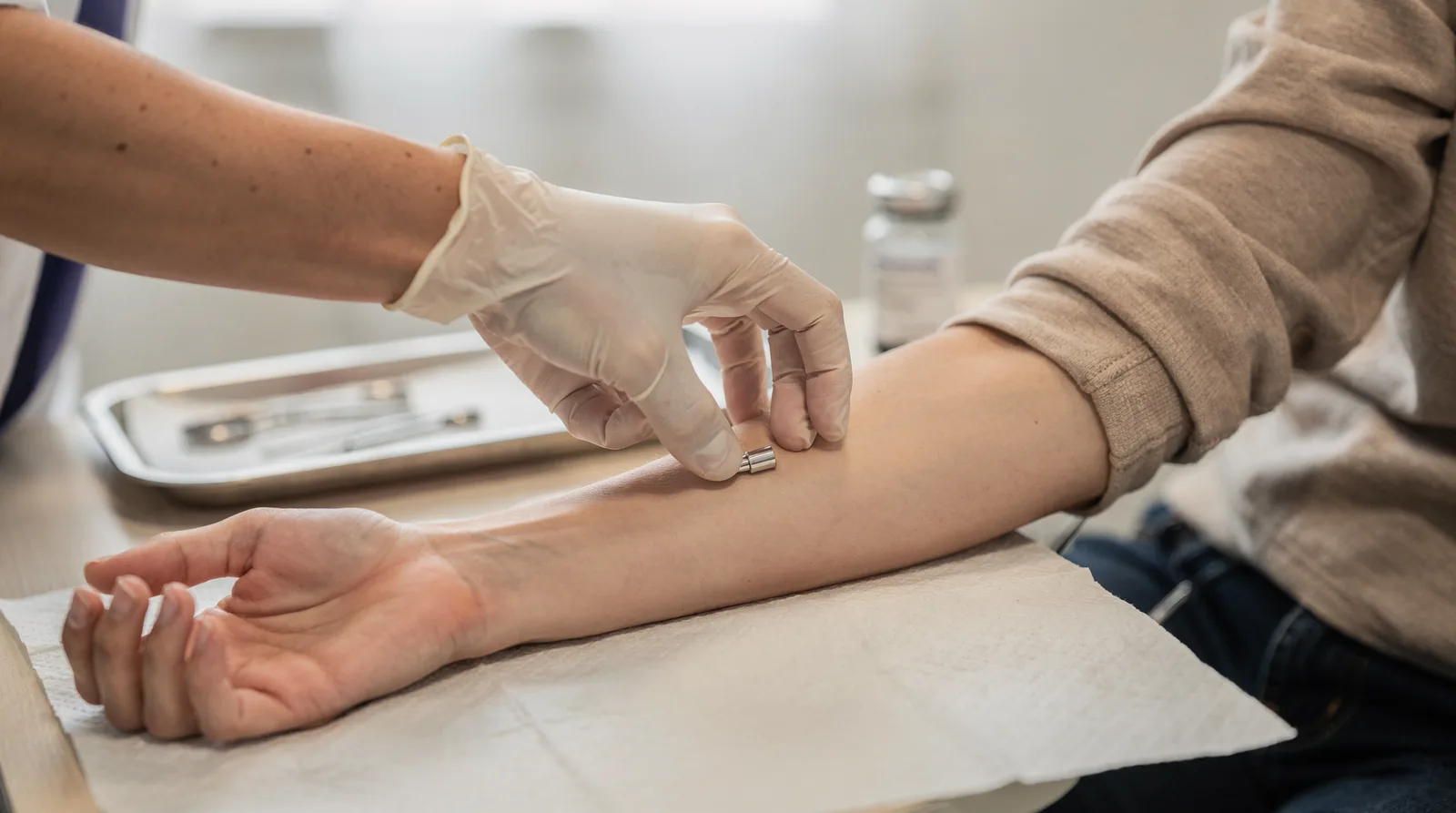
How Does a Naltrexone Implant Aid Recovery?
A naltrexone implant aids recovery by blocking the brain’s response to alcohol and opioids at the source of craving. Naltrexone works as an opioid antagonist, a medication class that interrupts the reward signal addictive substances produce. Philadelphia families researching options for a loved one gain a clearer picture once the mechanism itself is understood, rather than judging treatment by promises alone.
Clinical research on implant-based naltrexone delivery supports this approach. A study of heroin-dependent patients following inpatient rehabilitation found real potential for reducing relapse when the medication was delivered through an implant rather than daily pills. Consistent blood levels, not willpower alone, kept cravings suppressed.
DeBinge’s implant extends this science into a sustained-release format addressing alcohol, opioids, cocaine, methamphetamine, and gambling-related addiction. Cravings stay blocked for Based on DeBinge’s clinical experience in The Bahamas since 2018, the implant typically provides its strongest craving and relapse-prevention support on average 9 months, while clinically meaningful opioid-receptor blockade may persist for longer, in some patients up to about 15 months. This longer blockade may continue to reduce opioid effects and overdose risk. with no daily dosing schedule to maintain or forget.
Does the Implant Replace Counseling or Therapy?
No. The implant reduces the physiological pull of cravings so patients can engage more fully in counseling and behavioral work. Naltrexone treats the biological side of addiction; emotional and relational healing still requires ongoing support.
Advantages of implant-based treatment include:
- Continuous medication release without daily pill compliance
- Reduced relapse risk during early, vulnerable recovery months
- Applicability across multiple substance and behavioral addictions
- Freedom from constant craving management
Philadelphia patients considering this route should weigh implant duration against their personal recovery timeline before beginning treatment.
What Should Philadelphia Patients Plan Before Traveling?
Planning starts with confirming clinical details, not booking a flight. Patients from Philadelphia arranging travel from Philadelphia for implant treatment should first understand what the procedure involves and why the destination clinic matters. DeBinge performs the implant insertion at its own qualified clinic, where experienced medical professionals complete a minimally invasive procedure under close supervision. DeBinge emphasizes that this version of the Naltrexone Implant is unique to their clinic and is not available elsewhere.
How Many Trips Does the Implant Require?
Sustained release for Based on DeBinge’s clinical experience in The Bahamas since 2018, the implant typically provides its strongest craving and relapse-prevention support on average 9 months, while clinically meaningful opioid-receptor blockade may persist for longer, in some patients up to about 15 months. This longer blockade may continue to reduce opioid effects and overdose risk. means patients typically require fewer follow-up trips. Because the implant works continuously without daily medication, most patients need only occasional follow-up rather than repeated travel. This reduces the burden on regional flights from Philadelphia scheduling. Simplifies overall patient logistics for Philadelphia residents balancing work and family obligations.
Is the Process Kept Private?
Privacy remains a priority throughout treatment. DeBinge’s compassionate, patient-centered approach supports discreet treatment for Philly residents who prefer to keep recovery separate from public or professional life. Comfort and confidentiality guide every stage, from initial consultation through post-procedure support, allowing patients to focus on sustainable healing away from unnecessary attention.
Conclusion
In closing, Philadelphia patients considering medical travel for naltrexone implant treatment access a clinically proven pathway to sustained recovery through DeBinge Ltd.’s specialized approach. The minimally invasive procedure, coupled with the implant’s extended therapeutic duration, eliminates the burden of daily medication while addressing the neurobiological foundations of addiction. By choosing this evidence-based solution, individuals position themselves to reclaim autonomy, rebuild meaningful relationships, and establish a foundation for lasting sobriety without prolonged hospitalization or conventional treatment limitations.