
By DeBinge Ltd. Editorial Team · Updated 2026-09-06
Intake assessment for a Naltrexone implant begins with a medical review covering substance history, current health status, and prior treatment attempts. Clinicians at DeBinge Ltd. evaluate suitability for the implant, discuss expected craving reduction within the first two to three weeks, and confirm readiness before scheduling the minimally invasive insertion procedure.
What Happens During Intake Assessment?
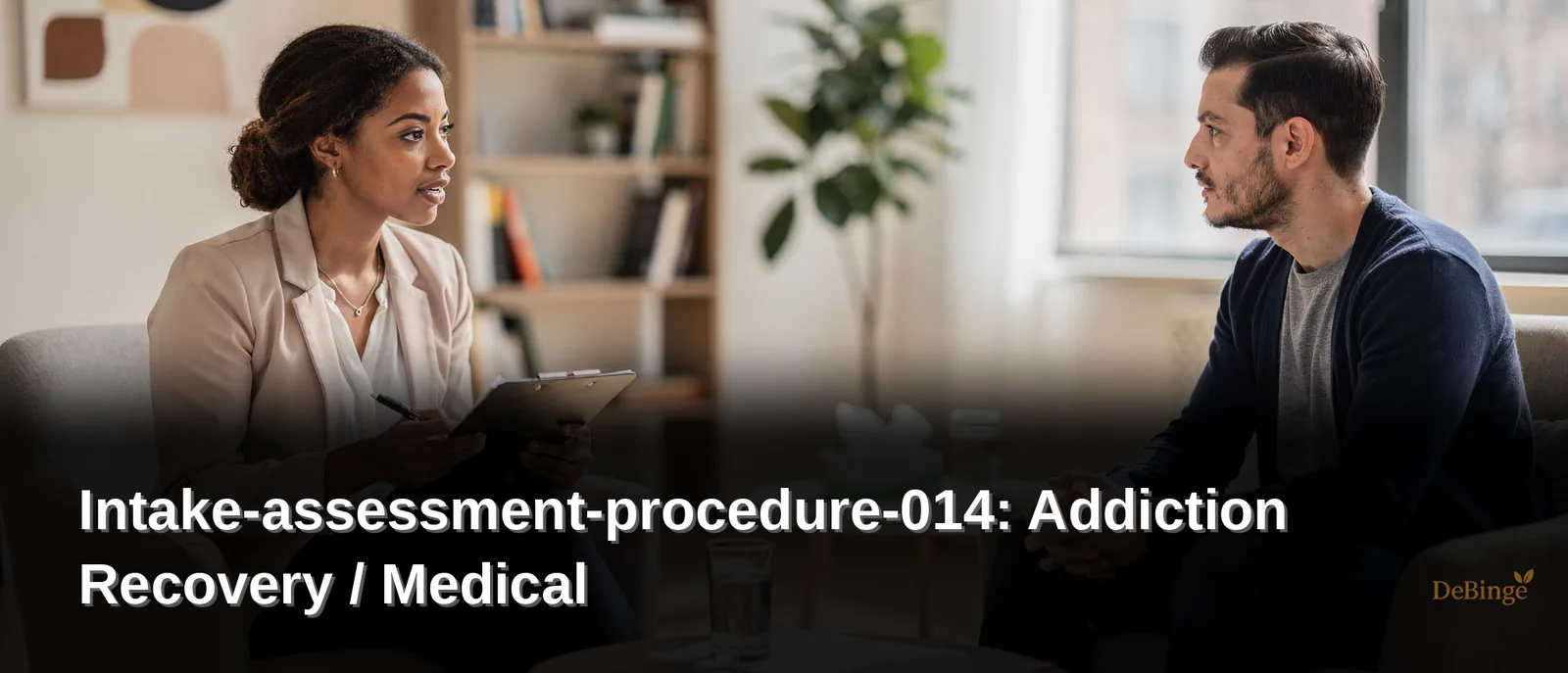
A structured review of substance use history opens every case at DeBinge, covering alcohol, opioids, cocaine, methamphetamines, and gambling before an implant enters the conversation. This step is called the intake-assessment-procedure-014, and it exists to confirm clinical fit, not to rush a candidate toward treatment. Skipping this step risks mismatched care and wasted months.
Naltrexone implants carry a clear clinical indication: treatment of addiction to alcohol or narcotic drugs. That indication forms the backbone of every screening decision at the clinic. Candidacy also depends on a different question entirely.
Is the Assessment Only About Cravings?
No. Evaluation also weighs whether a candidate is pursuing lasting stability rather than a quick fix for short-term relief. DeBinge frames this as the difference between sustainable recovery and momentary comfort. Compassion drives the process throughout, with clinicians prioritizing comfort and support alongside technical accuracy.
How Fast Do Findings Translate Into a Plan?
Assessment data feeds directly into early treatment planning, because craving reduction on naltrexone begins quickly. Clinical labeling notes substantial decreases starting within the first two to three weeks of treatment. Intake findings shape how the clinic times and monitors that early window.
Key components of the review include:
- Substance-specific history across five addiction categories
- Clinical suitability against the alcohol/opioid indication
- Motivation and long-term recovery goals
- Comfort and support needs before any procedure
How Does The Implant Procedure Work?
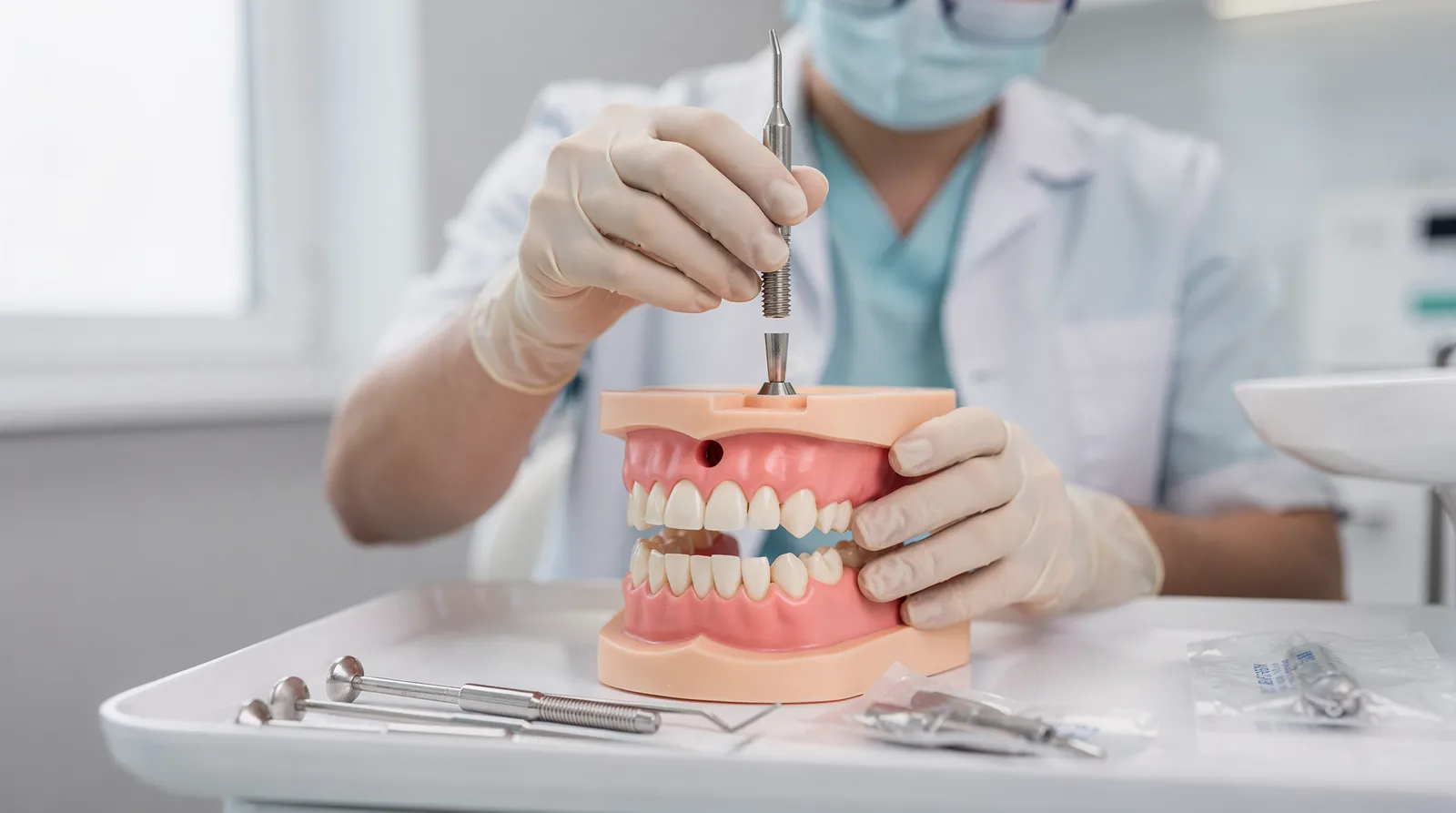
DeBinge’s clinic staff perform the procedure using a minimally invasive technique, placing the implant beneath the skin in a brief outpatient visit. Trained medical professionals handle every step, from the initial intake assessment procedure through post-placement monitoring. No general anesthesia. No overnight stay required.
Before insertion, each patient completes a pre-procedure screening, known as pre-procedure-screening-014, to confirm suitability and rule out contraindications. This step protects patient safety and sets realistic expectations for recovery timelines.
What happens during the implant procedure itself?
The implant procedure overview, documented as implant-procedure-overview-014, begins with a small incision, typically in the abdomen, where clinicians insert the device just under the skin. Once placed, the implant releases Naltrexone into the bloodstream continuously. This steady release blocks opioid receptors, preventing the euphoric effects tied to drugs like heroin or fentanyl, and disrupts the addiction pathways that drive relapse — all without lengthy hospitalization.
Is the consultation kept private?
Every consultation begins with a confidential assessment, referred to as confidential-assessment-014, so personal and medical details stay protected throughout intake. Patients discuss history, goals, and concerns without fear of disclosure.
Patients wondering what to expect at the clinic, outlined as what-to-expect-clinic-014, can count on a structured visit: screening, consultation, insertion, and brief observation. DeBinge’s version of this implant remains unique to its clinic, offering sustained release for Based on DeBinge’s clinical experience in The Bahamas since 2018, the implant typically provides its strongest craving and relapse-prevention support on average 9 months, while clinically meaningful opioid-receptor blockade may persist for longer, in some patients up to about 15 months. This longer blockade may continue to reduce opioid effects and overdose risk.. A duration unmatched elsewhere in the field.

What Should You Expect At The Clinic?
A modern medical setting awaits every guest, built around sustained recovery rather than short-lived pleasure-seeking behavior. Clinical staff design each visit to support long-term change, not a quick fix. Confidence in the process starts here.
The confidential assessment forms the foundation of care. Medical staff review substance history, current health status, and personal recovery goals in a private setting. This step ensures the treatment plan fits the individual, not a generic template.
What happens during the pre-procedure screening?
Pre-procedure screening confirms that a candidate is medically ready for implant placement. Staff evaluate physical health markers and current substance use to reduce risk during the procedure. Screening protects patient safety before any medical step proceeds.
What does the implant procedure involve?
The implant procedure overview given to each patient covers the placement itself, recovery expectations, and follow-up care. The procedure is minimally invasive and does not require an extended hospital stay. Once placed, the implant works continuously to block cravings for months at a time, freeing patients from daily pills.
Clinical research supports this approach. A controlled study of abstinence-oriented patients following in-patient opioid treatment found implant recipients benefited significantly in relapse prevention. Craving reduction typically begins within two to three weeks and rarely returns while treatment continues.
The intake assessment procedure and ongoing care work together toward one outcome: self-respect, stable relationships, and genuine hope restored.
Conclusion
In closing, the intake assessment process at DeBinge Ltd. establishes the clinical foundation necessary for successful naltrexone implant treatment. Through comprehensive evaluation, qualified medical professionals determine candidacy and develop individualized treatment protocols that align with each patient’s recovery objectives. This rigorous assessment phase ensures optimal outcomes, positioning patients for sustained sobriety and meaningful life reconstruction. By prioritizing thorough evaluation before implant placement, DeBinge delivers evidence-based addiction treatment that disrupts cravings and restores clarity, enabling individuals to reclaim control and pursue genuine long-term wellness.