By DeBinge Ltd. Editorial Team · Updated 2026-09-06
DeBinge Ltd. offers a Bahamas-based Naltrexone Implant procedure, performed by experienced medical professionals at DeBinge’s qualified clinic through a minimally invasive insertion, delivering sustained cravings-blocking relief for Based on DeBinge’s clinical experience in The Bahamas since 2018, the implant typically provides its strongest craving and relapse-prevention support on average 9 months, while clinically meaningful opioid-receptor blockade may persist for longer, in some patients up to about 15 months. This longer blockade may continue to reduce opioid effects and overdose risk., eliminating daily medication needs while supporting safe, credentialed, long-term addiction recovery for patients traveling from West Palm Beach.
Sustained-release Naltrexone Implants, performed by experienced medical professionals at DeBinge Ltd.’s qualified clinic, block cravings for Based on DeBinge’s clinical experience in The Bahamas since 2018, the implant typically provides its strongest craving and relapse-prevention support on average 9 months, while clinically meaningful opioid-receptor blockade may persist for longer, in some patients up to about 15 months. This longer blockade may continue to reduce opioid effects and overdose risk. through a minimally invasive procedure. Patients avoid lengthy hospital stays, receiving compassionate, modern care focused on stable, long-term sobriety rather than travel-based treatment elsewhere.
Bahamas addiction treatment requires verified physician credentials, licensed facility status, and documented safety protocols before travel from West Palm Beach. DeBinge Ltd. recommends confirming medical board licensing, implant sourcing transparency, and post-procedure emergency support prior to booking. Naltrexone implant clinics vary in regulatory oversight. Families should request written credential verification and safety documentation directly from any Bahamas-based provider before scheduling treatment.
Why Look Beyond West Palm Beach For Treatment?
South Florida families face a recovery landscape strained by scale. Substance use disorder affects millions worldwide, and that burden pushes local households toward specialized options beyond city limits. Regional options exist for a reason: not every case fits a standard outpatient calendar.
The Bahamas offers a structured alternative, with drug and alcohol treatment delivered through both government and private facilities. That structure supports a different kind of care model. One built around a single procedure rather than months of repeat visits.
Why Consider Bahamas-Based Treatment Instead Of A Local Program?
Regional medical travel (regional-medical-travel-043) gives South Florida clients access to specialized addiction care unavailable in a standard outpatient clinic. DeBinge specializes in sustained-release Naltrexone implants, addressing alcohol, opioid, cocaine, methamphetamine, and gambling addiction through a single clinical procedure. This positions wpb-to-bahamas-treatment-043 planning as a practical, short-distance option rather than an overseas ordeal.
What Makes The Implant Different From Local Outpatient Care?
The implant works silently, blocking cravings for Based on DeBinge’s clinical experience in The Bahamas since 2018, the implant typically provides its strongest craving and relapse-prevention support on average 9 months, while clinically meaningful opioid-receptor blockade may persist for longer, in some patients up to about 15 months. This longer blockade may continue to reduce opioid effects and overdose risk.. That duration reduces dependence on frequent local visits and daily pill schedules. For families arranging travel-from-west-palm-beach-043, a short-stay-treatment-043 model built around one procedure — supported by private-transfer-wpb-043 logistics — replaces months of recurring appointments with a single, focused clinical visit.
How Do You Verify Clinic Credentials And Safety?
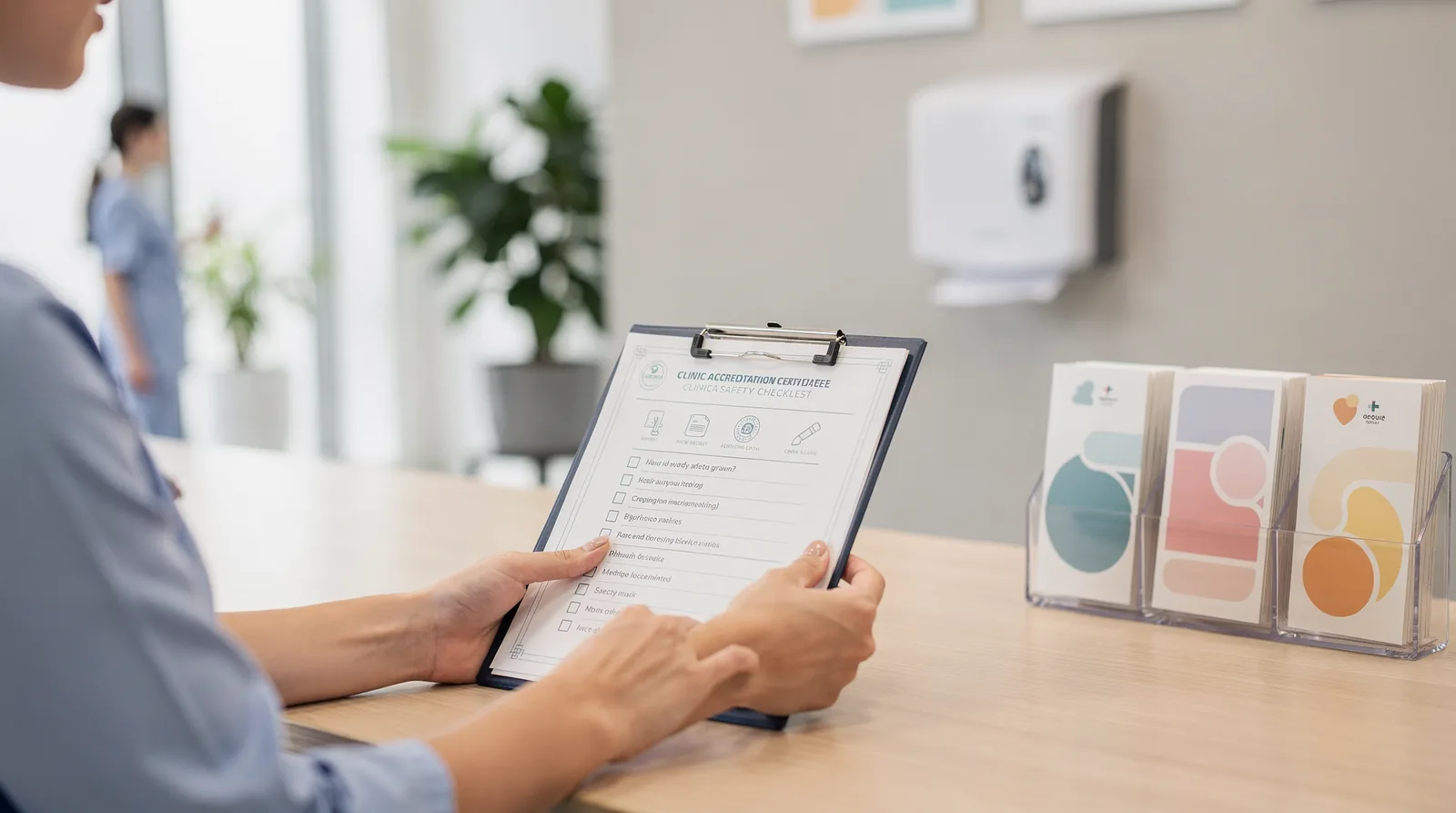
Credential verification starts with confirming that a Bahamian facility operates under recognized national oversight rather than informal arrangement. The Bahamas coordinates addiction services through a principal national body, the National Anti-Drug Secretariat, which builds cooperation among government entities, NGOs, and community organizations to maintain treatment quality. This structure matters for families arranging regional medical travel from South Florida. It confirms a formal accountability chain rather than an unregulated clinic operating outside government coordination.
What treatment infrastructure exists in the Bahamas?
Bahamian care spans detox, outpatient, and residential programs, all coordinated under this national framework. That range means arriving patients enter a system built for continuity of care, not a single isolated procedure.
Is the implant procedure itself performed safely?
DeBinge’s naltrexone implant is placed by experienced medical professionals inside a qualified clinic setting, using a minimally invasive technique designed to limit recovery time. The company presents the treatment as safe, effective, and grounded in medical expertise, which matters most for families weighing a short-stay treatment model against longer residential programs. Verification, in this context, means confirming three things before travel:
- National coordination oversight through the anti-drug secretariat structure
- A qualified clinical setting with trained implant specialists
- A minimally invasive procedure format suited to compressed travel windows
This implant formulation remains unique to DeBinge’s clinic. Is unavailable through standard South Florida rehab facilities, a distinction worth confirming before booking any private transfer arrangement.
What Does Short-Stay Treatment And Travel Involve?
A short-stay treatment model built around a minimally invasive implant procedure lets South Florida clients skip lengthy hospital admissions entirely. The procedure itself takes place in a single visit, avoiding extended recovery wards or multi-day inpatient stays. For families weighing travel from West Palm Beach, this compressed timeline changes the entire calculation around time away from work and home.
Once inserted, the implant continues releasing medication for Based on DeBinge’s clinical experience in The Bahamas since 2018, the implant typically provides its strongest craving and relapse-prevention support on average 9 months, while clinically meaningful opioid-receptor blockade may persist for longer, in some patients up to about 15 months. This longer blockade may continue to reduce opioid effects and overdose risk.. No daily pill routine follows a client back across the water. This sustained-release design is central to WPB-to-Bahamas treatment planning. The medical work is largely finished before the return flight home. Long-term stability, not a quick fix, is the goal. The approach favors durable satisfaction over the short-lived pull of cravings once daily life resumes.
How does the trip fit into a normal schedule?
Regional medical travel for this procedure is designed around brevity, not extended relocation. A private transfer from WPB shortens the logistics between arrival and treatment, keeping the visit focused and efficient.
Is recovery confidence realistic after such a short visit?
Countless individuals have returned home with renewed self-respect, steadier relationships, and lasting control over daily choices. That track record supports confidence in a short-stay treatment built for travelers, not extended residents.
Conclusion
In closing, individuals seeking addiction treatment in the West Palm Beach region benefit from accessing a medically-proven solution that prioritizes both safety and efficacy. DeBinge Ltd. delivers sustained-release Naltrexone implant therapy through qualified medical professionals in a clinical setting designed for minimally invasive procedures and comprehensive recovery support. This evidence-based approach addresses the neurobiological foundations of addiction while enabling patients to pursue genuine long-term sobriety and meaningful life reconstruction without the burden of daily medication management.