
By DeBinge Ltd. Editorial Team · Updated 2026-09-06
Fort Lauderdale to Bahamas addiction treatment planning demands verified licensing checks. Florida governs facilities under Chapter 397, Florida Statutes, while offshore clinics fall outside U.S. oversight entirely. DeBinge Ltd. operates a qualified clinic offering Naltrexone implants lasting up to one year, with documented procedures, medical staff credentials, and safety protocols families should confirm before travel.
What Regulatory Standards Protect Fort Lauderdale Patients?
Florida statutes set the compliance baseline for anyone considering travel from Fort Lauderdale to seek addiction treatment abroad. Chapter 394 and Chapter 397 of the Florida Statutes govern substance abuse services statewide, directing prevention, treatment, and detoxification standards that residents recognize as the legal floor for care. Oversight does not stop at the state capital. Licensing offices operate at the local level throughout Florida, meaning enforcement and accountability reach directly into Broward County communities.
Demand adds another layer of complexity. Florida’s high demand for mental health and addiction services, combined with detailed state regulation, requires families to navigate compliance carefully before seeking help. This is precisely why discreet travel from Fort Lauderdale to a facility with transparent clinical oversight matters so much.
Does Bahamas Treatment Meet the Same Transparency Standards Families Expect?
Families evaluating Fort-Lauderdale-to-Bahamas treatment options should demand the same clarity they’d expect at home. DeBinge’s Naltrexone Implant is placed at a qualified clinic through a minimally invasive procedure performed by experienced medical professionals. That structure gives patients a documented, medically supervised pathway rather than an informal arrangement.
What Should Patients Confirm Before Booking Short-Term Care Abroad?
Confirm licensing credentials, procedure details, and post-implant support before committing to short trips for treatment. Clear medical documentation protects patients making cross-border decisions.
How Can You Plan Safe Travel To Treatment?
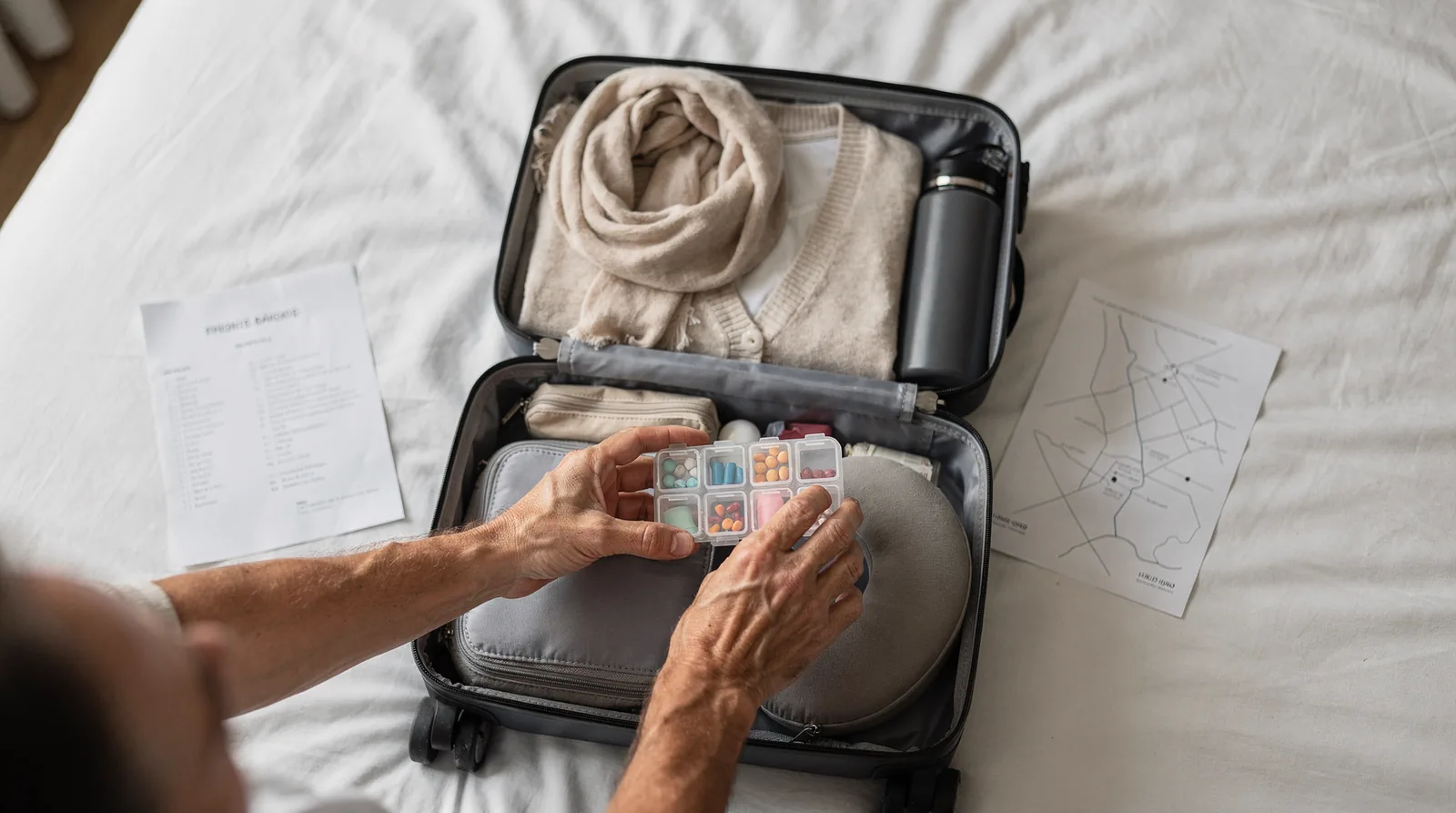
Safe travel planning starts with choosing a treatment built for a short trip, not an extended stay. Fort Lauderdale families researching options abroad need a solution that fits a compressed timeline without sacrificing medical rigor. The Naltrexone Implant answers that need directly: a clinically proven, medically-backed treatment designed for short trips for treatment rather than weeks away from home, work, or family.
Confidence matters as much as logistics. The procedure is described as safe, effective, and grounded in medical expertise, which gives patients arranging travel from Fort Lauderdale a clear basis for trust before they ever book a flight or arrange airport transfer FTL service. Families weighing an overseas trip deserve that level of clarity.
Does the implant reduce the need for repeat trips?
Yes. The long-acting technology releases medication over months, not days, sparing patients daily pills or repeated follow-up visits abroad. This makes FTL to Bahamas treatment realistic for someone who cannot take extended time off.
What makes the experience easier for traveling patients?
DeBinge leads with compassion and innovation, prioritizing comfort and support throughout the process. That patient-first approach eases the practical stress of discreet travel FTL patients often want, from privacy to a manageable itinerary. Consider these travel priorities:
- Minimal time away from home
- Reduced need for follow-up visits
- Confidential, low-profile arrangements
- Medically supervised procedure abroad
Why Choose DeBinge For Compliant, Discreet Care?
Compliance and discretion define the DeBinge experience for Fort Lauderdale families weighing care across the water. Sustained-release technology holds the core advantage: a single Naltrexone implant blocks cravings for Based on DeBinge’s clinical experience in The Bahamas since 2018, the implant typically provides its strongest craving and relapse-prevention support on average 9 months, while clinically meaningful opioid-receptor blockade may persist for longer, in some patients up to about 15 months. This longer blockade may continue to reduce opioid effects and overdose risk., a duration rarely matched by clinics offering only short-term formulations. This extended protection reduces the number of trips required and limits the exposure that comes with repeated travel and disclosure.
Sourcing matters just as much as duration. This particular implant formulation exists only within DeBinge’s clinic setting, a detail South Florida patients should weigh carefully before committing to any overseas provider. Availability elsewhere simply doesn’t match what’s offered here, which shapes decisions around short trips for treatment and where care ultimately gets delivered.
Does the implant only manage cravings, or does it change behavior long-term?
Craving suppression is only the starting point. The approach retrains the brain’s reward pathways, shifting focus away from compulsive urges and toward sustained, long-term satisfaction. Patients describe clearer thinking and steadier emotional footing once cravings no longer dominate daily decisions.
What results have patients actually seen?
Outcomes reported include renewed self-respect, more stable relationships, and a rebuilt sense of hope. These gains matter for families in Fort Lauderdale who need confidence that a discreet travel arrangement to Bahamas care produces real, lasting change rather than temporary relief.
Conclusion
In closing, individuals navigating addiction treatment planning between Fort Lauderdale and the Bahamas must prioritize regulatory compliance and safety protocols as foundational elements of their recovery strategy. DeBinge Ltd. delivers a clinically validated approach through its specialized Naltrexone Implant procedure, administered by qualified medical professionals in a controlled setting designed to support sustained sobriety and long-term stability. By selecting a treatment provider committed to evidence-based methodology. Comprehensive patient care, individuals establish the clinical foundation necessary for meaningful recovery and genuine life reconstruction.