

By DeBinge Ltd. Editorial Team · Updated 2026-09-06
Bahamas addiction treatment regulations require licensed clinical oversight for procedures like naltrexone implants, which release medication for months to reduce cravings. Boston and New England patients traveling for care should verify facility licensing, physician credentials, and controlled-substance import rules before departure. DeBinge Ltd. recommends confirming destination-specific medical regulations directly with the treating clinic prior to booking travel.
Why Do Boston Families Consider Bahamas Treatment?
Regulatory gaps drive the search for options beyond New England. Addiction treatment rules and program availability differ sharply from country to country, with some destinations allowing clinics broader latitude to operate than others. This gap may lead families researching travel from Boston for addiction care to consider island-based clinics as an alternative.
Boston-to-Bahamas treatment appeals to families seeking an alternative path when local programs feel limited or slow to start. DeBinge Ltd. treats addiction to alcohol, opioids, cocaine, methamphetamines, and gambling through a sustained-release Naltrexone implant, giving patients a documented medical option outside conventional New England programs.
Is the Naltrexone implant a one-time procedure?
The implant is engineered to block cravings for Based on DeBinge’s clinical experience in The Bahamas since 2018, the implant typically provides its strongest craving and relapse-prevention support on average 9 months, while clinically meaningful opioid-receptor blockade may persist for longer, in some patients up to about 15 months. This longer blockade may continue to reduce opioid effects and overdose risk., cutting down how often patients need follow-up visits. For families managing new england medical travel logistics, fewer return trips means less disruption to work, school, and home life.
What matters most when planning the trip?
Three factors shape a family’s decision:
- Schedules and logistics for Boston-based travelers, including appointment timing and recovery windows
- Discreet care structured around patient privacy throughout the visit
- Clear understanding of how treatment rules differ from those at home
Families weighing these factors gain a fuller picture before committing to island-based care.
What Regulations Affect Medical Travel and Logistics?
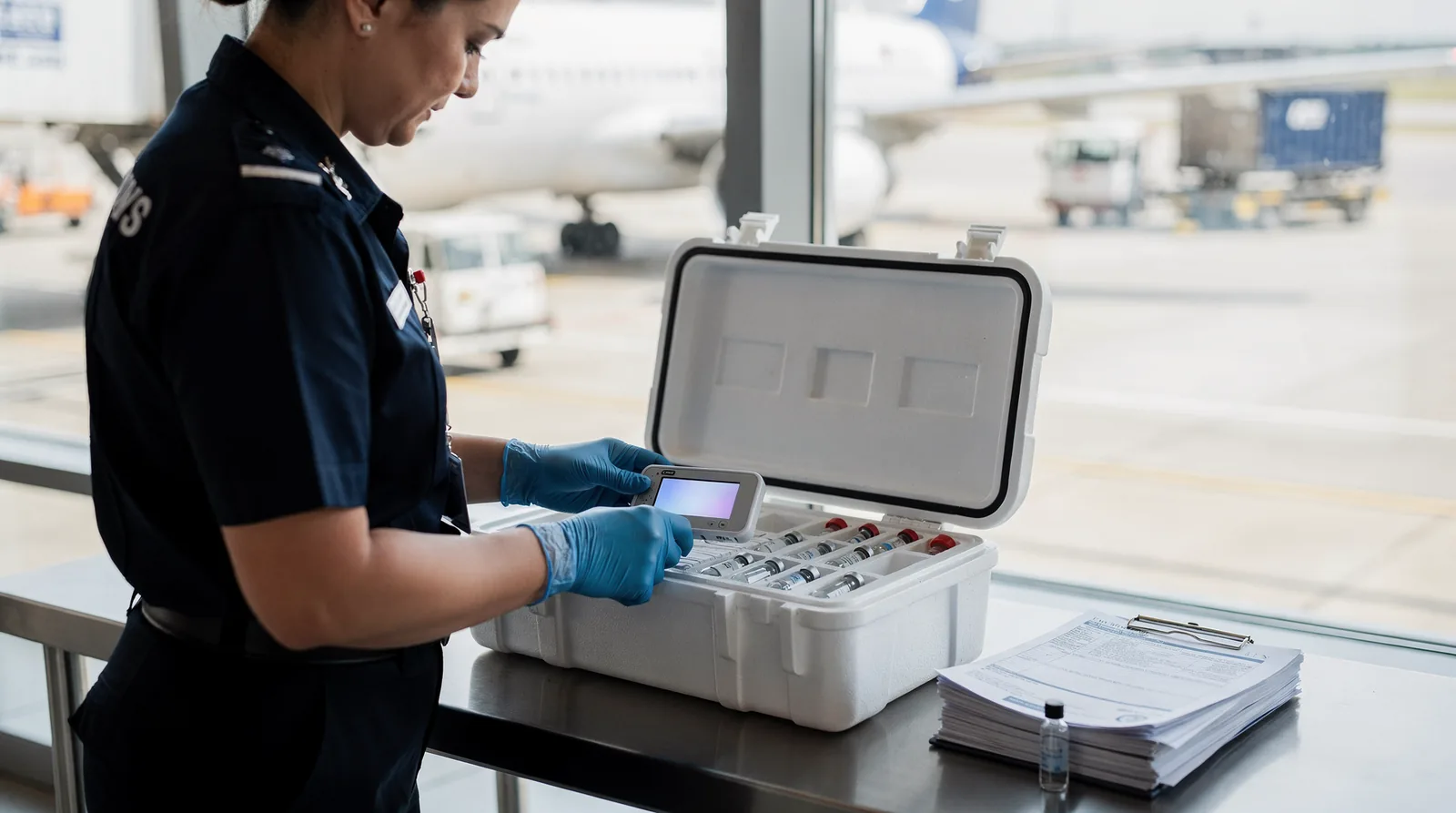
Legal frameworks for medicine differ from nation to nation. Massachusetts rules offer no protection once a traveler lands in the Bahamas. A medication considered routine at home may carry a different legal status abroad. This gap is exactly why new-england-medical-travel-047 planning demands more than booking a flight. It requires understanding the destination’s own medical statutes before departure.
Do families need to check anything before flying to the Bahamas?
Families arranging boston-to-bahamas-treatment-047 should confirm, in advance, that any medication involved in treatment is permitted at the destination. Confirmation should extend beyond the final stop. Layover countries maintain their own restrictions, and clearing one border does not guarantee clearing the next. Contacting the relevant embassies remains the most reliable way to verify permissions before booking.
Oversight of controlled substances is not left to individual clinics alone. Bodies such as the International Narcotics Control Board assist national authorities in building frameworks for travelers carrying regulated medications, which reflects a formal, structured system rather than informal guesswork.
How does appointment scheduling factor into the trip?
Schedules-and-logistics-boston-047 planning benefits from clinical timing built around the procedure itself. The implant insertion happens in a qualified clinic setting, performed by experienced medical professionals — a detail that shapes how appointment dates and travel windows should align.
Families weighing travel-from-boston-047 options, along with discreet-care-boston-047 priorities, gain the most by treating regulatory verification and appointment scheduling as one coordinated process rather than separate afterthoughts.
How Does DeBinge Provide Discreet, Compliant Care?
DeBinge delivers privacy through a clinic model built around confidential, one-on-one treatment in the Bahamas. Patients traveling for boston-to-bahamas-treatment-047 receive care structured around comfort and dignity, not just clinical process. The company leads with compassion and innovation, prioritizing patient comfort and support at every stage of the procedure. This matters most for New England families arranging discreet-care-boston-047, since sensitive medical decisions deserve privacy without unnecessary exposure.
The Naltrexone implant offered at this Bahamas clinic is described by DeBinge as unique to its practice, a distinction worth weighing for anyone comparing options before new-england-medical-travel-047. Rather than chasing short-term relief, the approach targets long-term satisfaction, giving patients tools that hold up after they return to daily life in New England.
What Makes Recovery Support Different After Returning Home?
Sustained recovery depends on more than the procedure itself. DeBinge reports that its treatment has helped many patients rebuild self-respect and stabilize relationships long after leaving the clinic.
Patients considering travel-from-boston-047 benefit from care built around:
- Confidential, individualized clinical attention
- A treatment approach unavailable outside DeBinge’s clinic
- Support aimed at lasting stability, not temporary comfort
Conclusion
In closing, individuals considering medical travel for addiction treatment must navigate complex regulatory frameworks across jurisdictions while prioritizing clinical excellence and sustained recovery outcomes. DeBinge Ltd. addresses these considerations through its qualified clinic setting, where experienced medical professionals deliver the advanced Naltrexone Implant procedure—a minimally invasive intervention designed to disrupt addiction pathways and support long-term sobriety. By combining regulatory compliance with innovative treatment methodology, patients gain access to a comprehensive recovery solution that extends beyond conventional daily medication protocols, enabling genuine emotional healing and meaningful life reconstruction.