By DeBinge Ltd. Editorial Team · Updated 2026-09-06
Clinical guidance for Naltrexone implants requires placement by qualified medical professionals under the skin, with craving reduction beginning within the first 2-3 weeks of treatment. DeBinge Ltd. administers this sustained-release formulation to block opioid. Alcohol reward effects, supporting relapse prevention and stable recovery without daily medication or hospital stays.
What Should Clinicians Know About Naltrexone Implants?
A naltrexone implant is a small medical device placed under the skin, releasing medication gradually to reduce cravings tied to alcohol, opioids, and other addictive substances. Clinicians evaluating this option lose ground when they treat it as a daily-pill substitute rather than a distinct delivery system with its own clinical guidance naltrexone requirements. Misapplying standard oral-naltrexone protocols to an implant risks under-treating cravings or overlooking device-specific monitoring needs.
DeBinge Ltd. specializes in sustained-release naltrexone implants, supporting patients managing addiction to alcohol, opioids, cocaine, methamphetamines, and gambling. This breadth matters for practitioners building a best-practice-implant-036 framework, since candidate evaluation differs across substance classes and behavioral addictions alike.
Is the implant approved to treat alcohol and opioid addiction?
Naltrexone implants are clinically used to treat addiction to alcohol or narcotic drugs, and they also serve to prevent relapse after narcotic addiction treatment. This dual function positions the implant as both a maintenance tool and a relapse-prevention safeguard within a broader recovery plan.
What should guide patient selection and consent?
Sound professional guidelines call for structured patient-selection criteria, including a documented substance-use history and realistic expectations about craving reduction timelines. Clinicians should also confirm the patient understands implant duration, removal procedures, and expected effects before signing off.
Consent and ethics obligations require clear, documented communication about what the implant does and does not treat. Patients deserve straightforward answers, not vague reassurance, before agreeing to a minimally invasive procedure that will remain active in their system for months. Clear documentation protects both patient autonomy and clinical accountability throughout treatment.
How Does the Naltrexone Implant Work Pharmacologically?
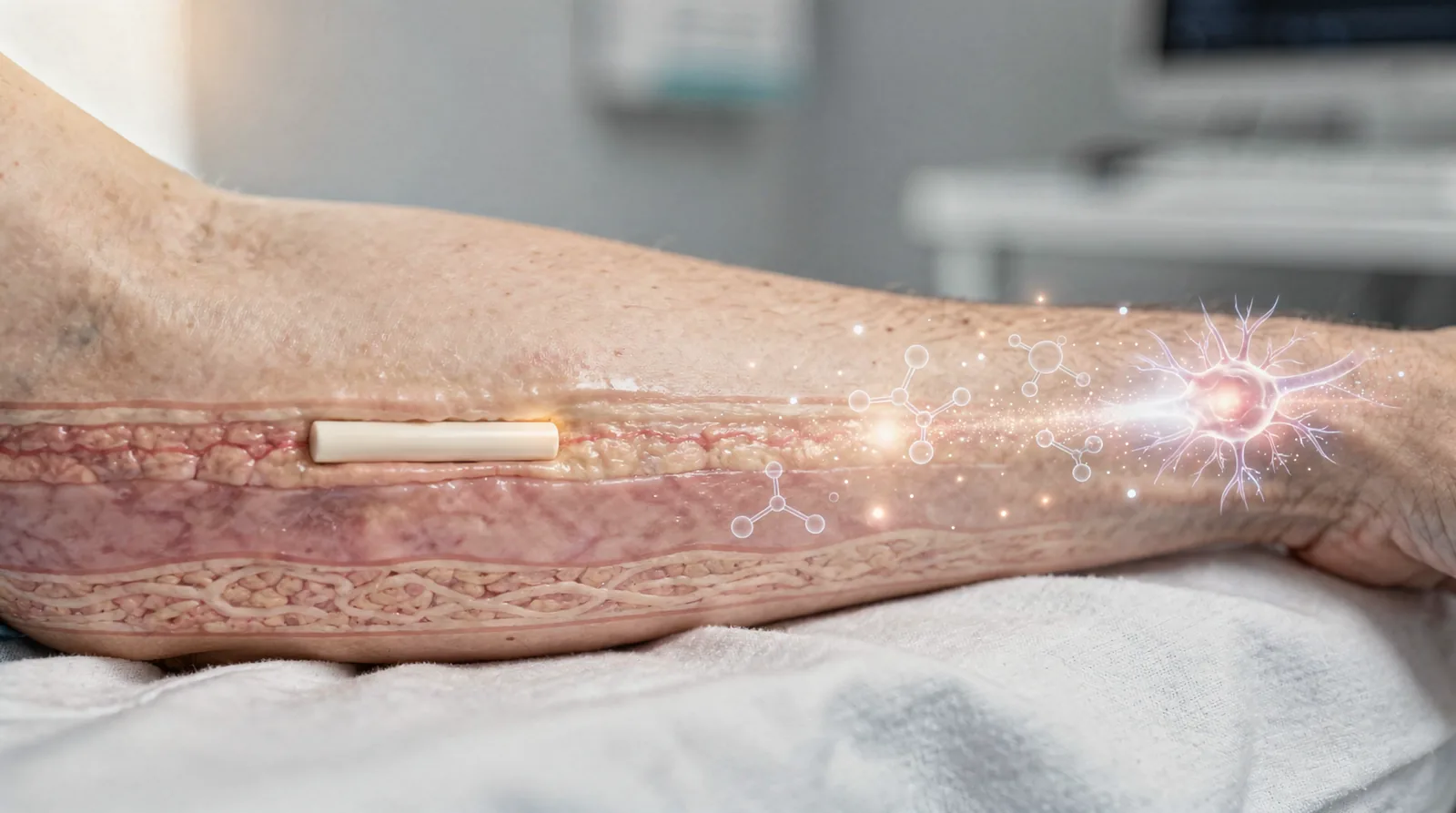
The naltrexone implant functions as an opioid antagonist, saturating opioid receptors in the brain. That substances like heroin or fentanyl no longer produce a euphoric effect. This receptor-blocking action forms the pharmacological foundation of sound clinical guidance naltrexone for prescribers managing patients across multiple substance-use disorders. Rather than suppressing withdrawal or acting as a substitute opioid, the medication occupies receptor sites and denies incoming substances any reward response.
By blocking access to opioid receptors, the implant interrupts the brain’s reward circuitry. Alcohol, opioids, and certain other addictive substances lose their reinforcing effect once the receptors are occupied. Clinicians following best practice implant protocols recognize this mechanism as central to reducing cravings and lowering relapse risk over the implant’s sustained-release period.
What Does the Implant Actually Change in the Brain?
The sustained-release technology disrupts established addiction pathways rather than masking symptoms temporarily. This disruption stabilizes recovery over time and gives patients a clearer cognitive state. A clearer mind, in turn, creates space for genuine emotional healing to take place alongside pharmacological treatment.
Does the Implant Stop Cravings Immediately?
Craving reduction begins once therapeutic receptor occupancy is established, not after weeks of gradual buildup. Prescribers should factor this onset window into professional guidelines for monitoring early treatment phases.
Practitioners applying rigorous patient selection criteria must confirm opioid-free status before implantation. Receptor saturation in an opioid-dependent patient can precipitate acute withdrawal. Documented consent and ethics procedures should walk patients through this mechanism plainly:
- Receptor blockade, not sedation, drives the therapeutic effect
- Reward response to opioids and alcohol is chemically dulled, not eliminated by willpower alone
- Sustained release removes the daily adherence burden associated with oral dosing
Understanding this mechanism helps clinicians set realistic expectations and helps patients trust the process underlying their recovery.
Which Patients Qualify for Naltrexone Implant Therapy?
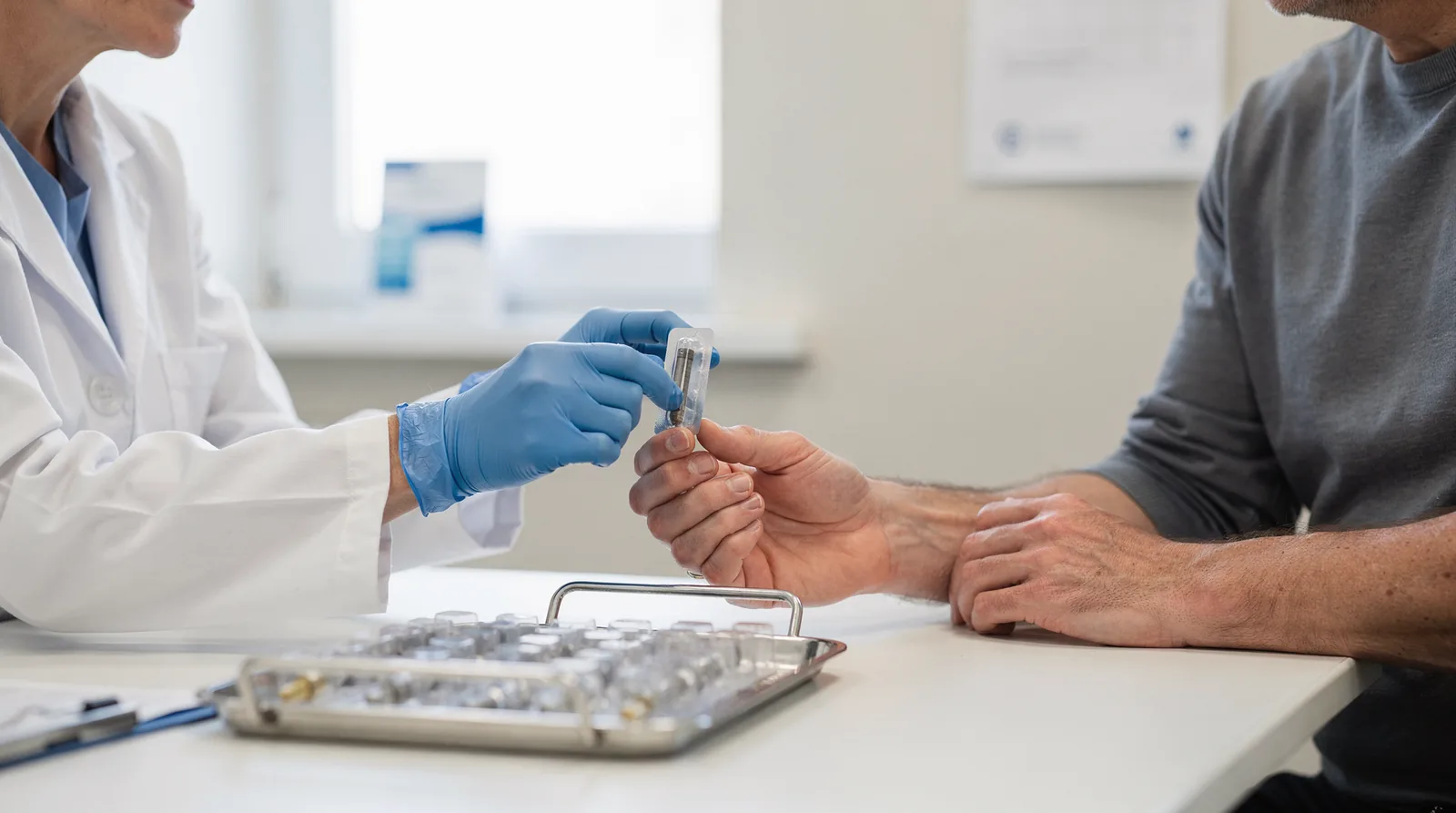
Candidates for sustained-release naltrexone therapy include adults facing addiction to alcohol, opioids, cocaine, methamphetamines, or gambling who need relapse prevention without a daily pill regimen. Clinicians apply patient selection criteria to confirm that a candidate has completed detoxification. Shows motivation to sustain recovery over months, not weeks. Sound clinical guidance naltrexone protocols call for a full substance-use history, current medication review, and screening for opioid dependence before implantation proceeds.
Age, dependence severity, and prior treatment failures all factor into eligibility. Patients who relapsed repeatedly on oral naltrexone or struggled with medication adherence often represent the strongest candidates for an implant. The device removes the daily-dosing burden entirely. Long-duration coverage — cravings blocked for Based on DeBinge’s clinical experience in The Bahamas since 2018, the implant typically provides its strongest craving and relapse-prevention support on average 9 months, while clinically meaningful opioid-receptor blockade may persist for longer, in some patients up to about 15 months. This longer blockade may continue to reduce opioid effects and overdose risk. — makes the implant particularly suited to patients needing extended, low-maintenance relapse protection while they rebuild routines, relationships, and employment stability.
Is the implant an option for patients who can’t tolerate methadone or Suboxone?
Yes. Patients unable to tolerate agonist therapies such as methadone or Suboxone can be considered for naltrexone as an alternative treatment path. Because naltrexone works as a blocker rather than an agonist, it suits patients seeking abstinence-based recovery without opioid-replacement exposure.
Best practice implant protocols still require confirming full opioid clearance before insertion, since premature use in opioid-dependent patients risks precipitated withdrawal.
Practical intake steps include:
- Verifying detox completion and opioid-free status
- Reviewing psychiatric and medical comorbidities
- Confirming patient understanding of relapse-prevention goals
- Documenting informed consent
That last step reflects broader professional guidelines on consent and ethics, ensuring patients understand implant duration, expected craving reduction, and the commitment recovery demands before any device is placed.
What Best Practices Guide Implant Insertion Protocols?
Sound insertion protocol starts with a qualified clinical setting, not a rushed outpatient visit. Experienced medical professionals perform the procedure under the patient’s skin using a minimally invasive technique designed to limit tissue trauma and reduce complication risk. This foundation reflects broader clinical guidance naltrexone principles that govern how sustained-release implants should be handled from intake through follow-up.
Precision during placement matters because the device must function correctly for months at a time. Once positioned, the implant releases naltrexone gradually into the patient’s system, blocking opioid receptors from responding to alcohol, opioids, and other substances. Consistent dosing depends on correct depth and site selection during insertion — errors here compromise the entire treatment window.
How does dosing frequency compare across naltrexone delivery methods?
Dosing intervals vary significantly by formulation, which shapes best practice implant decisions around patient monitoring. Intramuscular extended-release naltrexone, an alternative delivery method, requires administration every four weeks by a licensed practitioner. Implant-based delivery extends that interval considerably, reducing visit frequency while maintaining steady therapeutic coverage.
What should a clinic checklist include before insertion?
A structured checklist supports professional guidelines compliance and protects patient safety. Clinics should confirm:
- Verified patient selection criteria, including substance history and medical clearance
- Documented consent and ethics discussion covering risks, expected duration, and alternatives
- Site preparation and sterile technique confirmation
- Post-procedure monitoring plan and scheduled follow-up
Skipping any step raises the risk of infection, device migration, or inadequate symptom control. Clinicians who follow these sequenced steps position patients for stable, sustained recovery rather than a treatment that fails silently between visits.
What Do Professional Guidelines Recommend for Monitoring?
Monitoring protocols center on sustained recovery, not brief symptom relief. Sound clinical guidance for naltrexone treatment favors long-term satisfaction over quick fixes, effectively rewiring a patient’s pursuit of genuine well-being away from compulsive patterns. Consistent follow-up confirms whether this rewiring is taking hold.
Effective monitoring also depends on how the care team behaves, not just what protocol it follows. Best-practice implant care leads with compassion paired with clinical innovation. Comfort, support, and durable healing take priority at every check-in, rather than treating the implant as a one-time procedure with no follow-through.
Does the implant replace therapy during recovery?
No. The implant works as one component of a comprehensive treatment plan. Counseling and other behavioral health therapies remain essential, giving patients a whole-person approach rather than a purely pharmacological fix.
What should ongoing monitoring visits actually cover?
Visits should track physical response to the implant alongside behavioral and emotional progress. Professional guidelines call for coordinated oversight across the following areas:
- Physical healing at the implant site and any medical side effects
- Engagement with counseling or behavioral health sessions
- Shifts in craving intensity and emotional stability over time
- Overall alignment with the patient’s long-term recovery goals
Sound patient-selection criteria at intake shape how monitoring unfolds later. Patients entering treatment with clear expectations tend to engage more consistently with follow-up care. This groundwork connects directly to consent-and-ethics practices. Patients understand upfront that the implant supports, rather than substitutes for, active participation in therapy.
Monitoring, then, is not a single checkpoint. It is a sustained partnership between clinical teams and patients, built on compassion, comprehensive care, and a shared commitment to lasting recovery over temporary relief.
How Should Consent and Ethics Be Addressed?
Consent begins with a full accounting of what the implant does and does not promise. Clinicians hold the responsibility of walking each candidate through the evidence base, the expected course of treatment, and the realistic boundaries of what naltrexone therapy achieves. Skipping this step erodes trust before treatment even starts, and trust is the foundation recovery depends on.
Sound clinical guidance on naltrexone requires framing the implant honestly: a clinically proven option that reduces cravings and supports long-term recovery, not a cure delivered passively under the skin. Patients deserve to hear this distinction plainly. Recovery still demands active participation, counseling engagement, and behavioral change alongside the biological support the implant provides.
What should be included in the informed consent conversation?
The conversation should state clearly that the treatment is safe, effective, and grounded in medical expertise, while also disclosing possible side effects, expected duration of action, and circumstances under which the implant may not be appropriate. Patients need space to ask questions and time to weigh the decision without pressure. Documentation of this exchange protects both the patient and the practice.
Who is ethically permitted to prescribe and place the implant?
Ethical prescribing practice limits this treatment to a practitioner licensed to prescribe medications, administering care within the scope of that license. This restriction is not a formality. It exists to guarantee that dosing decisions, patient screening, and follow-up monitoring rest with someone qualified to manage them.
Building consent protocols around these principles supports best practice implant delivery from the first consultation onward. A written framework aligned with professional guidelines keeps decision-making consistent across providers and reduces variability in patient experience. Combining rigorous patient selection criteria with transparent, well-documented consent and ethics procedures gives both clinicians and patients a defensible, humane path through treatment.
What Regulatory Considerations Affect Coverage Decisions?
Insurance coverage for naltrexone implants depends heavily on how individual payers classify the treatment. Clinical policy bulletins issued by major insurers specifically address naltrexone implants, spelling out which indications qualify for reimbursement and which do not. Practitioners advising patients on cost expectations need to understand this payer-level landscape before treatment begins.
Coverage decisions rarely follow a single national standard. Some insurers classify naltrexone implants as experimental or investigational for a range of indications, citing insufficient peer-reviewed evidence of long-term safety and effectiveness. This classification can apply broadly, covering not just alcohol use disorder but other substance-related conditions as well. Clinicians should not assume uniform coverage across payers.
Why Do Insurers Treat Implant Formulations Differently From Oral or Injectable Naltrexone?
Oral tablets and FDA-approved extended-release injectables carry a different regulatory history than implant formulations. Payers often draw a sharp line between products with established approval pathways and those still building a peer-reviewed evidence base. That distinction shapes reimbursement far more than clinical outcomes alone.
Sound clinical guidance on naltrexone requires clinicians to verify a patient’s specific plan documents rather than relying on general assumptions about addiction treatment coverage. This is where best-practice implant protocols intersect with financial counseling: confirming benefits before the procedure protects both patient and practice from unexpected costs.
Key regulatory factors influencing coverage include:
- The specific substance use disorder being treated
- Whether the payer’s professional guidelines classify the implant as experimental
- Documentation supporting patient-selection criteria and treatment necessity
- Adherence to consent-and-ethics standards during informed decision-making
Practitioners at DeBinge’s clinic address these variables directly with patients, ensuring financial transparency accompanies every clinical recommendation.
What Should Patients Expect for Long-Term Recovery?
Long-term recovery unfolds as a gradual restoration of self-respect, stable relationships, and confidence in the future. Sustained-release naltrexone therapy works quietly in the background, but the visible results build over months, not days. Patients who commit to the full implant cycle tend to describe recovery as a process of rebuilding rather than a single fixed event.
The implant delivers long-term support for patients committed to sustained recovery, not a short-term fix. Cravings do not vanish overnight in every case, and expecting instant transformation sets patients up for disappointment. Steady, medication-supported stability over weeks and months is the realistic benchmark.
Does the Implant Work Better With Additional Support?
Evidence points to a clear pattern: patients who maintain naltrexone treatment consistently report having no cravings at all. That effect appears strongest among those who combine the implant with personal recovery work in a 12-step based program. Medication alone addresses the biological pull toward substances; structured peer support addresses the behavioral and emotional side.
What Does Recovery Look Like Month to Month?
Recovery rarely follows a straight line, but certain markers tend to appear in sequence:
- Weeks 1-4: Reduced physiological craving response as the implant reaches steady release levels.
- Months 2-6: Rebuilding of daily routines, work stability, and family trust.
- Months 6-12: Reinforced self-respect and reduced relapse risk, especially when paired with counseling or a 12-step framework.
Countless patients have used this window to regain control over their lives, restoring self-respect and stable relationships long thought lost to active addiction. Clinicians should frame the implant as one component of a broader recovery plan. Hope for the future grows strongest when medication, structure, and personal accountability work in tandem, rather than any single element carrying the full weight alone.
Conclusion
In closing, the clinical guidance surrounding naltrexone implant use demonstrates a paradigm shift in addiction treatment methodology. DeBinge Ltd. delivers a medically-proven intervention that addresses the neurobiological foundations of addiction through sustained-release technology, enabling patients to pursue genuine recovery without the burden of daily medication management. This approach establishes a foundation for meaningful behavioral change, allowing individuals to reconstruct their lives with clarity and purpose. The evidence supports naltrexone implant therapy as a cornerstone intervention for those committed to long-term sobriety and sustained wellness.