
By DeBinge Ltd. Editorial Team · Updated 2026-09-06
Relapse prevention requires recognizing internal and external triggers before cravings intensify, then applying a concrete coping plan. Naltrexone implants, which release medication under the skin for months, reduce craving intensity biologically. Combining implant therapy with trigger awareness, avoidance strategies, and support resources like SAMHSA’s National Helpline (1-800-662-4357) strengthens long-term sobriety outcomes significantly.
What Triggers Cravings During Addiction Recovery?
People, places, objects, and even emotions can all serve as triggers during recovery. A trigger works by resurfacing a memory tied to past substance use, prompting the brain to anticipate a reward. That anticipation produces a craving response, whether the underlying issue involves alcohol, opioids, stimulants, or a behavioral addiction like gambling.
Effective cravings management starts with understanding this mechanism rather than fighting it blindly. Recognizing a craving as a predictable brain response, not a personal failure, gives clients a foundation for steadier decision-making.
Are triggers always external?
No. Triggers fall into two broad categories, and both deserve attention during recovery.
- External triggers: specific people, locations, or objects connected to prior use
- Internal triggers: emotions, stress, or memories that surface without warning
Trigger-identification-024 requires patients to track both categories consistently, since internal cues often prove harder to anticipate than external ones.
Why do cravings feel so hard to control?
Cravings feel powerful because the brain has already primed itself for a reward before conscious awareness catches up. This is where medical support changes the equation. DeBinge’s Naltrexone Implant disrupts these addiction pathways directly, reducing craving intensity and stabilizing recovery. Working silently for Based on DeBinge’s clinical experience in The Bahamas since 2018, the implant typically provides its strongest craving and relapse-prevention support on average 9 months, while clinically meaningful opioid-receptor blockade may persist for longer, in some patients up to about 15 months. This longer blockade may continue to reduce opioid effects and overdose risk., the implant gives patients a clearer mind and a longer runway to build lasting behavioral strategies for cravings without daily pressure.

How Can You Manage Cravings In The Moment?
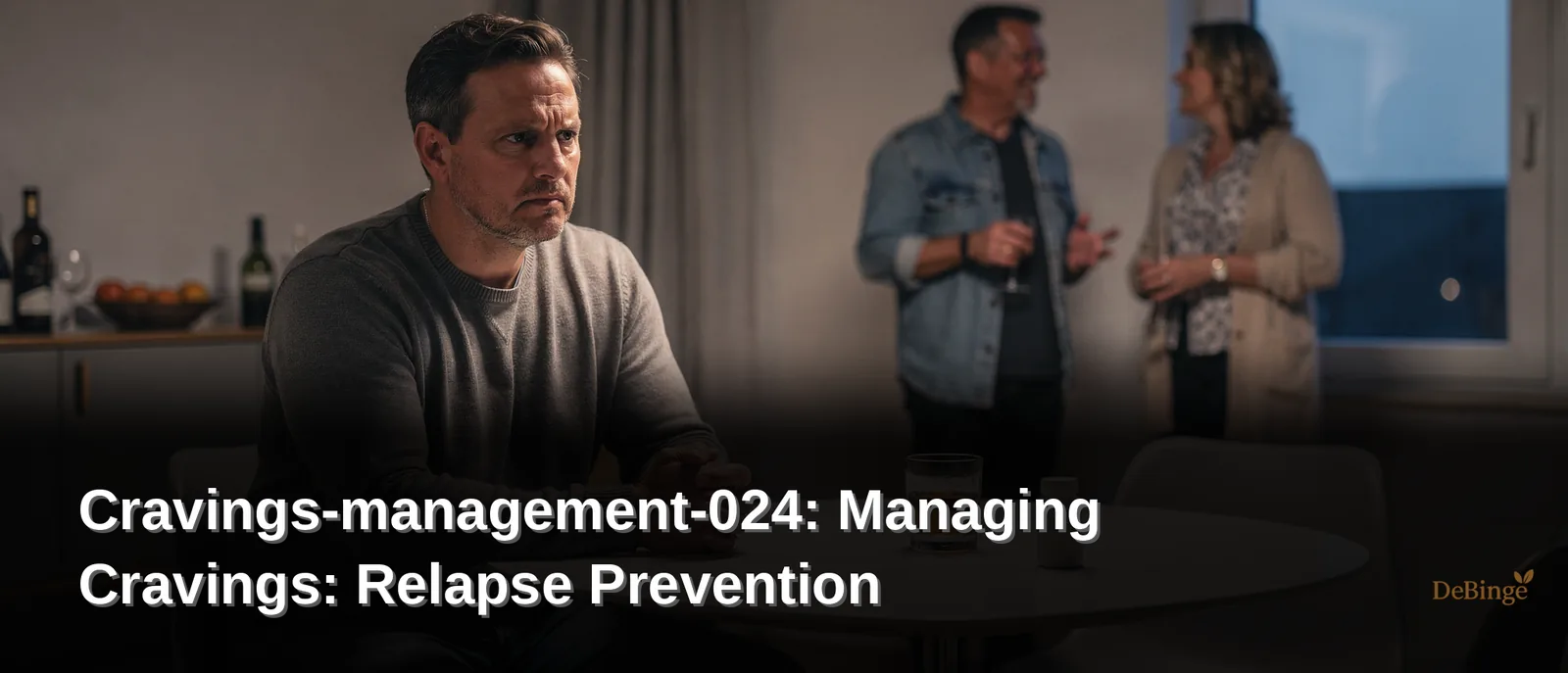
Cravings surface without warning, often during stress, celebration, or even quiet stillness. Recognizing this pattern is the foundation of sound cravings-management-024: the moment does not need to dictate the outcome. A trigger creates urgency, but urgency fades when met with a steady, prepared response rather than panic.
Effective behavioral-strategies-for-cravings-024 work because they interrupt the automatic pull toward substance use. Short-term distraction, paced breathing, and calling a trusted contact all buy time. Time is the variable that matters most, since most craving spikes lose intensity within minutes.
What Should Someone Do When A Craving Hits Hard?
Naming the craving out loud reduces its grip. Simple techniques include:
- Delaying action for ten minutes before deciding anything
- Shifting physical location to break the association
- Practicing the urge-surfing-technique-024, observing the sensation rise and fall like a wave without acting on it
Medical support strengthens these behavioral tools rather than replacing them. The Naltrexone implant slowly releases medication into the system on a continuous basis, blocking opioid receptors from responding to alcohol, opioids, and other substances. This biological blockade reduces cravings and helps prevent relapse, working alongside conscious coping skills.
Does Long-Term Support Reduce In-The-Moment Struggle?
Yes. The long-acting implant supports patients for months, reducing the need for daily pills and softening the pull of cravings during vulnerable moments. Fewer chemical triggers mean fewer high-stakes moments requiring willpower alone.

Which Relapse Prevention Techniques Support Lasting Sobriety?
Lasting sobriety depends on layered relapse-prevention-techniques-024 rather than a single fix. Medical support, structured coping skills, and crisis resources each address a different vulnerability in recovery. DeBinge Ltd.’s sustained-release Naltrexone implant anchors this approach, offering Based on DeBinge’s clinical experience in The Bahamas since 2018, the implant typically provides its strongest craving and relapse-prevention support on average 9 months, while clinically meaningful opioid-receptor blockade may persist for longer, in some patients up to about 15 months. This longer blockade may continue to reduce opioid effects and overdose risk. of continuous craving suppression in a modern clinical setting unavailable through other providers.
Physical stability alone does not guarantee sobriety. Individuals need practical routines that reinforce recovery daily.
How does the implant fit into a broader prevention plan?
The implant works alongside behavioral tools, not instead of them. It blocks the pharmacological reward cycle while individuals rebuild routines, relationships, and coping habits without daily medication or constant internal struggle.
What should someone do when a craving hits despite treatment?
Immediate action matters. Families and individuals facing crisis can reach a free, confidential, 24/7 treatment referral service for real-time guidance.
A complete framework typically includes:
- Sustained-release medical support administered through a minimally invasive procedure at a qualified clinic
- Ongoing supervision by experienced medical professionals throughout the recovery period
- Structured behavioral-strategies-for-cravings-024 built into daily life
- Access to crisis referral services when urgent support becomes necessary
Combining these layers reduces reliance on willpower alone and strengthens long-term outcomes.
Conclusion
In closing, managing cravings and preventing relapse requires a comprehensive strategy that addresses both the psychological and physiological dimensions of addiction. While behavioral interventions and support systems form essential components of recovery, sustained pharmacological intervention through advanced medical technology provides the neurobiological foundation necessary for long-term success. By disrupting the brain’s addiction pathways and eliminating daily medication burdens, individuals gain the mental clarity and stability required to rebuild meaningful lives and establish genuine fulfillment beyond compulsive behaviors.