
Methadone to Naltrexone: Why the Transition Usually Needs More Time
Prepared for medical review.
Review status: Pending.
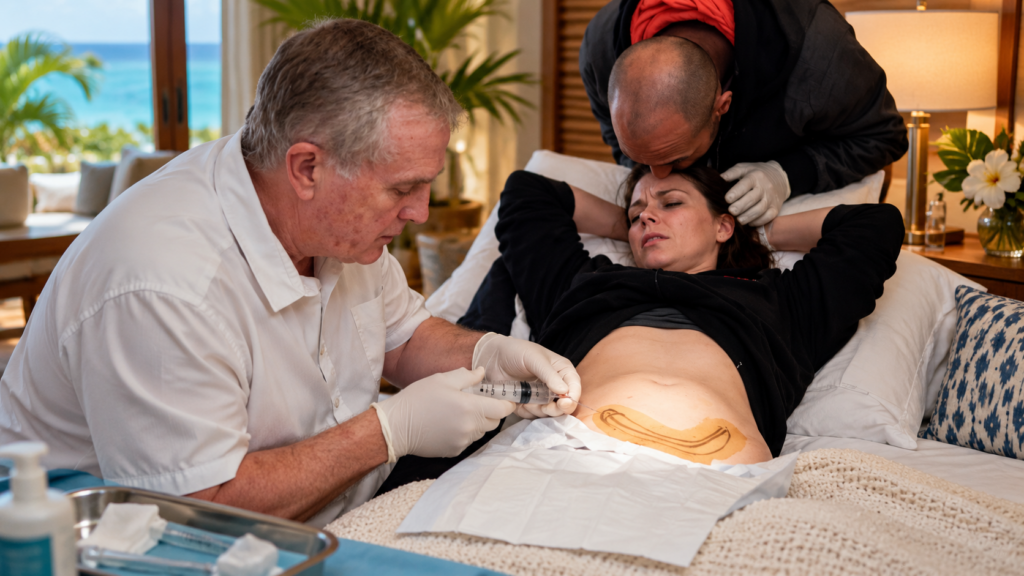
Moving from methadone to naltrexone is possible for selected patients, but it is usually a more demanding transition than moving from many short-acting opioids.
The reason is pharmacology. Methadone is a long-acting full opioid agonist. Naltrexone is a full opioid antagonist. Before naltrexone can be started safely, physical opioid dependence must have resolved enough that receptor blockade will not precipitate severe withdrawal.
Why does methadone usually require more time before naltrexone?
Methadone has a long and variable half-life and can produce sustained physiological dependence. Even after the final dose, clinically meaningful opioid effects and withdrawal risk may persist for days.
FDA prescribing information for extended-release naltrexone warns that patients transitioning from methadone may remain vulnerable to precipitated withdrawal for as long as about two weeks. ASAM guidance has similarly noted that complete withdrawal from methadone and other opioids may take up to 14 days, although some patients can be ready sooner.
Why is naltrexone started only after physical dependence has resolved?
Naltrexone blocks opioid receptors. If it is given while methadone dependence is still present, it can rapidly displace opioid activity and trigger precipitated withdrawal.
This can be severe enough to require hospitalization. That is why the decision to start naltrexone should be based on clinical assessment rather than simply counting days since the last methadone dose.
Does everyone need exactly 14 days?
No. “Up to two weeks” is a safety warning, not a universal prescription. Readiness depends on methadone dose, duration of treatment, individual metabolism, withdrawal symptoms, other opioid exposure and the overall transition plan.
Clinicians may use symptom assessment, toxicology and, in some settings, a naloxone challenge to help determine whether significant physiological dependence remains.
Can someone taper methadone before making the switch?
Often, yes. A gradual methadone taper may reduce the intensity of the final withdrawal phase, particularly for patients on higher doses. But tapering itself can take time and needs to be balanced against relapse risk.
Stopping methadone should not be treated as a goal in itself when the medication is working well. Methadone is an evidence-based treatment for opioid use disorder, and many people benefit from remaining on it long term. Transitioning to naltrexone is most relevant when the patient specifically wants an antagonist pathway and is clinically suitable for that change.
Why can the methadone-to-naltrexone transition be difficult to complete?
The challenge is not only withdrawal severity. It is the period during which the patient is leaving agonist treatment but has not yet reached antagonist protection.
A 2021 analysis found that use of methadone or buprenorphine during medically supervised withdrawal was associated with lower likelihood of successful extended-release naltrexone induction, although site-level differences meant the study could not prove the medication itself caused the lower success rate.
More recent naturalistic data from Norway also found that prior methadone use was associated with lower induction completion and concluded that methadone users may need particular attention and tailored withdrawal management.
What symptoms may need to be managed?
Methadone withdrawal can include anxiety, restlessness, muscle aches, gastrointestinal symptoms, sweating, insomnia and prolonged dysphoria or craving. Because methadone is long-acting, some symptoms may emerge or persist longer than patients expect.
A medically managed transition may therefore use non-opioid symptom medications, hydration, sleep support, monitoring and psychological support while clinicians assess readiness for naltrexone.
Can buprenorphine be used as an intermediate step?
In some treatment pathways, clinicians may first move a patient from methadone to buprenorphine before later considering naltrexone. That creates a separate transition, and higher methadone doses can make the methadone-to-buprenorphine switch uncomfortable or difficult.
This is not automatically the best route for every patient. The transition plan should be individualized around current methadone dose, treatment stability, relapse history and the reason the patient wants naltrexone.
Is rapid antagonist induction an option?
Experienced clinicians have studied accelerated naltrexone induction methods, but faster is not automatically safer or more effective. Historical ultra-rapid methods involving anesthesia have produced serious complications and are not recommended as routine care.
FDA labeling does acknowledge that if a more rapid agonist-to-antagonist transition is considered medically necessary, it should occur in an appropriate setting where precipitated withdrawal can be recognized and treated.
Why might a patient choose naltrexone after methadone?
Some people want to move away from ongoing opioid agonist treatment, prefer an antagonist-based approach, have occupational or personal reasons for wanting a non-agonist medication, or want long-acting relapse-prevention treatment once physical dependence has resolved.
Those goals are legitimate, but they do not make naltrexone universally superior to methadone. The important question is which treatment fits the patient’s clinical situation and recovery goals.
What happens after the transition succeeds?
Naltrexone can support relapse prevention by blocking opioid effects, but medication is only one part of recovery. Counselling, trigger management, mental-health treatment, family support and overdose education remain important.
Patients also need to understand that opioid tolerance falls during abstinence and antagonist treatment. Attempting to override naltrexone or returning to opioids after treatment stops can carry serious overdose risk.
How does this fit the broader naltrexone-induction problem?
The methadone transition highlights the same basic barrier seen across opioid treatment: a person may want naltrexone, but the physiological steps required to become ready for an antagonist can be difficult.
For the broader transition framework, read Starting Recovery From Opioid Addiction Without Getting Clean First — How the Naltrexone Transition Works.
What is the U.S. regulatory status?
Extended-release injectable naltrexone is FDA-approved in the United States for prevention of relapse to opioid dependence after opioid detoxification. Long-acting naltrexone implants are not FDA-approved in the United States.
That distinction should remain clear when discussing evidence for naltrexone itself versus evidence and regulatory status for implant formulations.
Medical review
Prepared for medical review — Review status: Pending.
Medical reviewer: Dr Fergus Law, BSc, MBChB, FRCPsych, Consultant Psychiatrist specialising in substance misuse and addiction.
This article provides general educational information and is not individual medical advice. Do not stop methadone or start naltrexone without medical supervision. Methadone discontinuation and antagonist induction can create significant withdrawal and relapse risk.
Selected evidence
- FDA prescribing information for extended-release naltrexone
- Methadone or buprenorphine during withdrawal and extended-release naltrexone induction failure
- Naturalistic study of extended-release naltrexone induction, including methadone-related findings
Considering a medically managed transition? Request a confidential consultation with DeBinge.