Reduce the Urge. Break the Gambling Cycle. Rebuild Control.
Gambling disorder can turn a moment of anticipation into a repeating cycle of urge, betting, excitement, loss, chasing and trying to stop again. DeBinge combines professional counseling, practical relapse-prevention strategies and individualized medical assessment, including discussion of naltrexone where clinically appropriate.
Why Can Someone Keep Gambling Even When They Know What It Is Costing Them?
Gambling disorder is a recognized behavioral addiction. The problem is not simply enjoying a bet. Gambling can progressively become connected with reward, anticipation, emotional escape and learned habits until the urge to continue becomes difficult to control.
Anticipation & Urge
The excitement can begin before the bet is even placed. Odds, notifications, sporting events, money or simply thinking about gambling can become powerful triggers.
Reward & Uncertainty
The unpredictable nature of winning and losing can strongly reinforce gambling behavior. A near miss or occasional win can encourage another attempt even after significant losses.
Chasing Losses
After losing money, the desire to recover it can produce another round of gambling. What started as entertainment can become an urgent attempt to undo previous losses.
Gambling Can Become a Learned Reward Pattern.
Gambling activates brain systems involved in motivation, anticipation and reward. Repetition can strengthen the connection between gambling cues and the urge to act.
This is why simply understanding that gambling is harmful does not always stop the behavior.
Recovery often requires changing both the internal urge and the external opportunities that allow that urge to become a bet.
Trigger
Stress, boredom, payday, sport, an app notification or an argument can create the desire to gamble.
Anticipation
Thinking about the possible win can itself become exciting and reinforce the desire to continue.
Gambling
The bet temporarily satisfies the urge, strengthening the connection between the trigger and the gambling behavior.
Repeat
Wins, losses and near misses can all become reasons to place another bet unless the cycle is interrupted.
Naltrexone May Help Reduce Gambling Urges in Some Patients.
Naltrexone is an opioid-receptor antagonist. Although gambling does not involve taking an opioid, the endogenous opioid system interacts with brain pathways involved in reward and reinforcement.
Clinical studies have investigated whether reducing opioid-receptor signaling can weaken some of the urge and reinforcement associated with gambling. Research suggests that naltrexone can reduce gambling severity in some patients, particularly where urges are strong.
This does not mean that naltrexone physically prevents a person from opening a gambling app, entering a casino or placing a bet. It should be viewed as one possible component of a broader treatment plan.
The Goal Is Not to Remove Every Thought About Gambling. It Is to Create More Space Between the Urge and the Action.
Imagine seeing a betting opportunity and feeling an immediate, overwhelming need to act. When that urge repeatedly feels stronger than the consequences, knowing that gambling is harmful may not be enough.
If treatment reduces the intensity of that urge, there may be more opportunity to pause, use a strategy learned through counseling, contact support or simply allow the urge to pass.
That space matters — but it becomes much more powerful when gambling access, money and triggers are also addressed.
Naltrexone Has Evidence — But It Is Not a Stand-Alone Cure for Gambling Disorder.
Psychological treatment remains central. Medication may be considered in selected patients, particularly when gambling continues despite appropriate therapy or repeated relapse remains a problem.
Evidence for Reduced Gambling Severity
Controlled trials and systematic reviews have found evidence that opioid-receptor antagonists, including naltrexone, can reduce gambling symptoms in some patients.
A recent systematic review and network meta-analysis found naltrexone among the pharmacological treatments with the strongest supportive evidence currently available.
Individual response varies and side effects, medical history and other medications must be considered.
CBT Remains a Core Treatment
Cognitive behavioral therapy can help identify distorted gambling beliefs, triggers and patterns that lead from urge to action.
Treatment can also develop practical strategies for responding to urges, dealing with relapse and rebuilding life outside gambling.
Motivational interviewing may also help people who feel uncertain about stopping or changing their gambling.
Most gambling-disorder research has studied oral naltrexone. It should not automatically be assumed that every result applies identically to a sustained-release implant. DeBinge therefore evaluates long-acting naltrexone individually and does not present the implant as an approved or guaranteed treatment for gambling disorder.
Make Gambling Harder to Access While Recovery Gets Stronger.
A powerful treatment plan does not rely on a single intervention. Practical barriers can create additional protection during moments when an urge becomes strong.
Gambling Self-Exclusion
Use available self-exclusion systems for casinos, betting websites, apps and other gambling environments so that acting on an impulse becomes more difficult.
Gambling Website Blocking
Blocking software can limit access to gambling websites and applications across phones, tablets and computers.
Bank & Payment Blocks
Where available, gambling-payment blocks can create another obstacle between an impulse and transferring money to a betting operator.
Financial Safeguards
Some people temporarily limit their own access to money or involve a trusted family member while financial stability and confidence are being rebuilt.
Remove Gambling Marketing
Unsubscribe from betting emails, promotional messages, notifications and gambling-related social-media content that can trigger an urge.
Plan for High-Risk Moments
Payday, major sporting events, boredom, loneliness and stressful situations can be anticipated and addressed before the urge becomes overwhelming.
Assessment. Protection. Treatment. Long-Term Change.
Gambling disorder affects people differently. Treatment should consider gambling frequency, type of gambling, financial consequences, mental health, substance use, previous treatment and the patient's recovery goals.
Private Consultation
Tell us what you gamble on, how often it happens, the financial or relationship consequences and what you have already tried to change.
Clinical Assessment
Medical and psychological factors are reviewed, including medication, opioid use, alcohol or drug use and whether naltrexone is clinically appropriate to consider.
Individual Treatment Plan
The plan may combine counseling, practical gambling barriers and clinician-directed medication support where appropriate.
One Year of Counseling
Ongoing professional support focuses on urges, triggers, money, relationships, distorted gambling beliefs and relapse-prevention strategies.
Reducing the Urge Matters. Changing What Happens When the Urge Appears Matters Even More.
Gambling can become connected with stress, boredom, excitement, loneliness, confidence, money problems, sport and the desire to escape difficult feelings.
Counseling helps identify those patterns and build a different response before an urge turns into gambling.
Work may include understanding triggers, challenging beliefs about winning and losses, planning for high-risk situations, repairing relationships, rebuilding financial control and developing alternative sources of enjoyment and achievement.
The aim is not simply to spend months avoiding betting. It is to build a life in which gambling progressively loses its role as a source of excitement, escape or emotional relief.
When Gambling Keeps Winning the Argument in Your Head
Gambling problems exist on a spectrum. You do not need to wait until every part of life has collapsed before asking for professional help.
Step Away From the Routine That Keeps Triggering the Same Behavior.
Gambling is often connected with familiar routines: checking odds on the phone, payday, particular friends, sporting events, casinos or being alone at certain times.
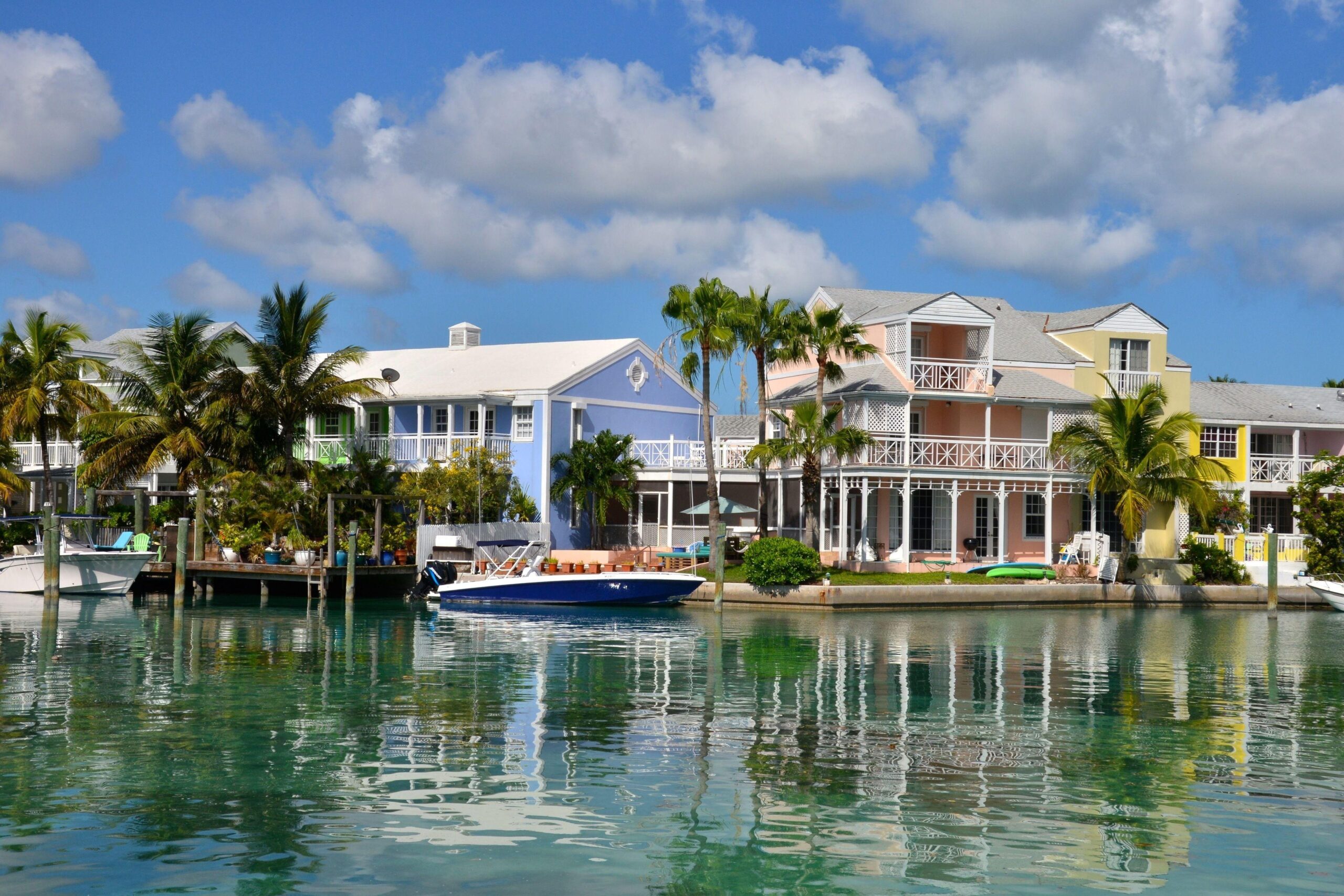
A period away in Nassau can provide temporary distance from some of those routines while treatment and recovery planning become the immediate focus.
The location itself does not treat gambling disorder. Its value is providing a different environment in which the patient can focus on assessment, counseling, practical safeguards and planning for the return home.

Debt, Shame and Crisis Need to Be Taken Seriously.
Gambling-related harm can involve debt, relationship breakdown, housing difficulties, employment problems, anxiety, depression and severe emotional distress.
If gambling has led to thoughts of suicide, self-harm or an immediate mental-health crisis, seek urgent emergency or crisis support rather than waiting for a routine consultation.
Treatment should address the wider consequences of gambling, including financial, psychological, family and social harms.
Gambling Disorder & Naltrexone FAQ
Can naltrexone reduce gambling urges?
Research suggests that naltrexone can reduce gambling severity and urges in some patients. Response varies, so it should not be presented as guaranteeing that cravings disappear.
Does naltrexone physically stop me from gambling?
No. A person can still open a gambling application, access money or enter a casino while taking naltrexone. This is why practical barriers and psychological treatment remain important parts of recovery.
Does naltrexone block dopamine?
No. Naltrexone is primarily an opioid-receptor antagonist. Its possible effect on gambling is believed to involve interactions between the opioid system and reward pathways. It should not be described as simply switching dopamine off.
Is naltrexone approved specifically for gambling addiction?
No. There is currently no medication specifically approved for gambling disorder in the United States. Naltrexone use for gambling disorder is therefore off-label and requires appropriate clinical assessment.
What does the research say about a naltrexone implant for gambling?
Most published gambling-disorder evidence concerns oral naltrexone. Results from oral medication should not automatically be assumed to apply identically to every sustained-release implant. Implant use therefore requires an individual clinical decision.
Do I still need counseling?
Yes. Psychological treatment is a core treatment for gambling disorder. Medication, where appropriate, should support rather than replace work on triggers, beliefs, access to money, behavior and relapse prevention.
What if I also have alcohol or drug problems?
Tell the medical team during assessment. Gambling disorder frequently exists alongside other mental-health or substance-use problems, and treatment should consider the complete picture. Opioid use is particularly important to disclose before naltrexone.
Should I self-exclude even if I receive treatment?
Practical barriers can be extremely useful. Self-exclusion, gambling-site blocking, bank payment blocks and temporarily limiting access to money can provide additional protection while recovery develops.
Learn More About Evidence-Based Gambling Treatment
Patients and families should understand both the potential role of medication and the importance of psychological and practical interventions.
Find Out Which Combination of Support Could Help You Break the Gambling Cycle.
Tell us what you gamble on, how often it happens, how much control you feel you have lost, what you have already tried and what gambling is costing you. The first step is understanding your situation rather than assuming that one treatment is right for everyone.
This page provides general educational information and does not replace individual medical or psychological advice. There is currently no medication specifically approved in the United States for gambling disorder. Naltrexone is used off-label for gambling disorder in some clinical settings, and most published evidence relates to oral naltrexone rather than sustained-release implants. Treatment suitability, medication choice, contraindications and monitoring must be determined individually by qualified healthcare professionals. Psychological treatment and practical gambling safeguards remain important components of treatment.